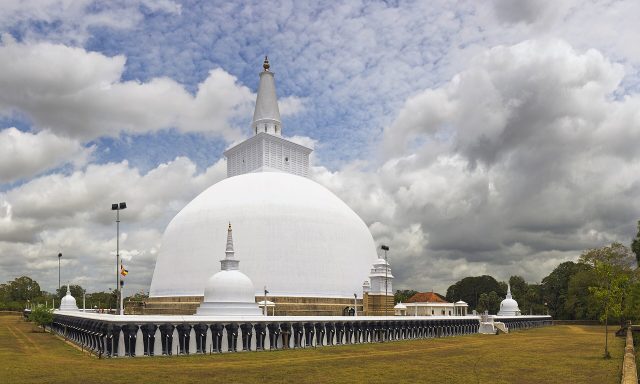
Isurumuniya Vihara feels like a quiet secret tucked away in the heart of Anuradhapura’s ancient landscape. While the city’s grand stupas and ruined palaces draw most visitors, this monastery offers something different—a sense of early Buddhism as it first took root on the island. Founded in the 3rd century BCE under King Devanampiya Tissa, it was one of the first places where Buddhist monks from India settled, bringing with them relics and teachings that would shape Sri Lanka’s spiritual identity. There’s no grand legend here, just the quiet weight of history in the air.
The architecture of Isurumuniya is unassuming, blending into the natural surroundings rather than dominating them. Unlike the towering dagobas nearby, this place feels intimate, almost hidden among the granite outcrops and dense greenery. The main structure is a cave vihara carved directly into the rock, its walls still bearing faint traces of ancient frescoes. Inside, a Buddha statue sits in meditation, its features soft and serene, a relic of the Anuradhapura period. The craftsmanship is simple but deliberate, reflecting the monastery’s role as a place of retreat rather than display.
From the small hill where Isurumuniya stands, the view stretches across the flatlands of Anuradhapura, a patchwork of rice fields and palm groves dotted with the silhouettes of ancient monuments. The monastery itself is shaded by towering trees, their branches swaying gently in the breeze. Monks in saffron robes move quietly through the grounds, some tending to daily tasks, others seated in meditation. There’s no crowd here, no rush—just the kind of stillness that makes time feel suspended.
Historically, Isurumuniya was more than just a monastery; it was a spiritual hub, a stop for pilgrims making their way to Anuradhapura’s sacred sites. Over the centuries, it was rebuilt and expanded, yet its original layout and atmosphere endured. The Brahmi inscriptions near the cave entrances are among the oldest written records on the island, detailing donations from kings and commoners alike. They serve as a reminder that this place was once a center of devotion, supported by people from all walks of life.
Today, Isurumuniya remains an active monastery, and that continuity is part of its charm. The monks follow the same rhythms they have for centuries—morning chants, the soft ringing of bells, the evening hum of sutras. There’s a sense of authenticity here that’s hard to find in more tourist-heavy sites. Visitors who wander in might find themselves lingering longer than expected, drawn in by the quiet energy of the place.
For those interested in Sri Lanka’s Buddhist history, Isurumuniya is a rare find. It doesn’t have the dramatic backstory of some of Anuradhapura’s other sites, but that’s precisely what makes it special. The cave, the statues, the inscriptions—they’re not just relics; they’re living connections to a tradition that has endured for over two thousand years. Even without a deep religious interest, the atmosphere invites reflection, a momentary step outside the rush of modern life.
A visit to Isurumuniya pairs well with a day exploring Anuradhapura’s more famous landmarks. Nearby, the Ruwanwelisaya and Jetavanaramaya stupas loom large, but here, you’re not just a tourist—you’re a temporary guest in a place that has seen centuries of quiet devotion. The pace slows, the mind settles, and by the time you leave, there’s a sense of having touched something timeless. It’s the kind of place that stays with you long after you’ve gone.