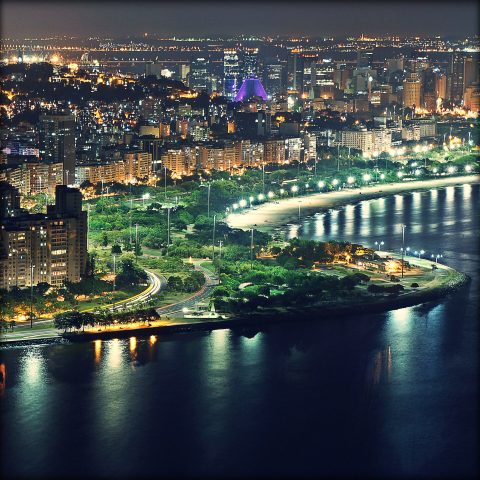
Flamengo stretches along Guanabara Bay, where Rio’s history unfolds without fanfare. Colonial traces, 19th-century transformations, and modern life blend here. The neighborhood feels lived-in, its streets and buildings telling stories that shift with the light and the people passing through.
Before it became part of the city, this land was Rio’s edge. Fishermen worked the shores, sugar plantations dotted the landscape, and forts defended the bay. Change arrived in the 18th century when marshes gave way to grand estates. The Portuguese royal court’s arrival in 1808 made Flamengo a coveted address. Wealthy merchants and aristocrats built mansions along the waterfront. Later, coffee and rubber barons left their mark. Opulence and industry coexisted, shaping the neighborhood’s identity.
Walk through Flamengo, and you’ll see an architectural timeline. Along Praça Paris and the waterfront, neoclassical mansions stand with their columns and wrought-iron balconies. Some are restored, others repurposed as offices or cultural spaces. Nearby, early-20th-century homes with pastel facades reflect the rise of a middle class. Behind these streets, old warehouses and factories now house lofts and galleries. The contrast isn’t jarring—it’s part of Flamengo’s rhythm.
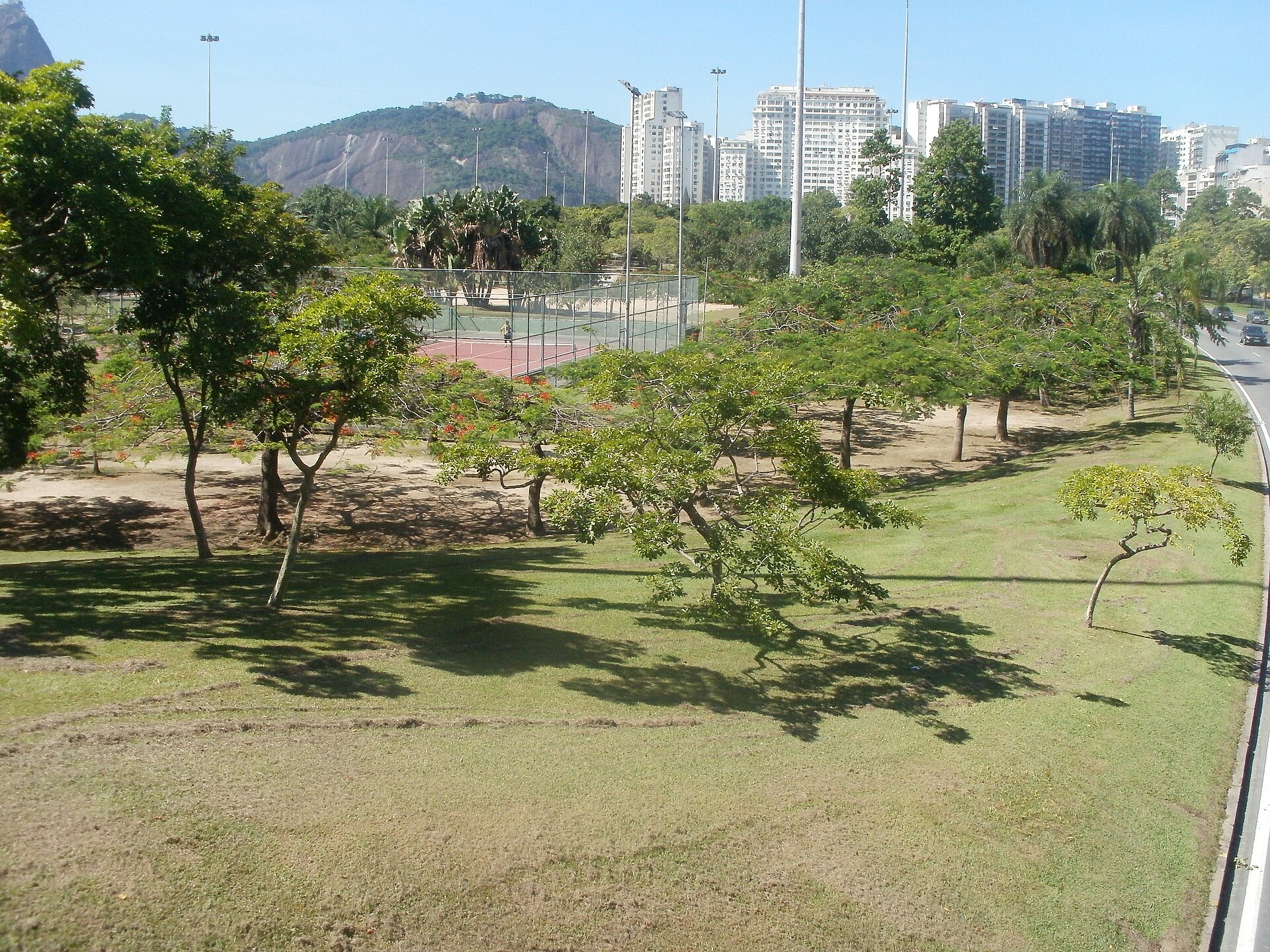
Flamengo Park sits at the district’s heart, a green space built in the 1960s on former docks and industrial zones. Wide paths wind past ponds where ducks glide. Cyclists and joggers share trails, and a small beach lets locals wade into the bay. The park comes alive at sunset when the light turns the bay golden. On weekends, it hosts festivals and concerts. On quiet days, it’s a place for picnics or sitting on a bench with a book.
The Igreja de Nossa Senhora da Glória do Outeiro, perched on a hill, dates to the 18th century. Its white facade glows against the greenery. Nearby, the Museum of Modern Art is a 1950s masterpiece by Affonso Eduardo Reidy. The building’s sweeping lines and terraces offer one of the best views of the bay. Inside, the collection spans Brazilian art from abstraction to pop. Many come just to linger on the terrace, watching the water.
Mornings start slowly, with cafés filling as locals grab coffee and pastéis. By midday, the streets hum: office workers spill out for lunch, tourists wander with cameras, and children dart through the park. Evenings bring a different mood. Restaurants light up, music spills from bars, and the waterfront becomes a place for strolls.
Flamengo isn’t flashy like Copacabana or polished like Ipanema. It’s where Rio’s residents live, where history isn’t confined to plaques but woven into daily life.
For those who want to see beyond Rio’s postcard image, Flamengo is essential. There are no famous beaches or the Christ the Redeemer statue here. What you’ll find is authenticity. The past and present coexist without fanfare. Wander the streets, peer into antique shops, or watch the world go by from a park bench. Flamengo doesn’t demand attention, but it rewards those who look.