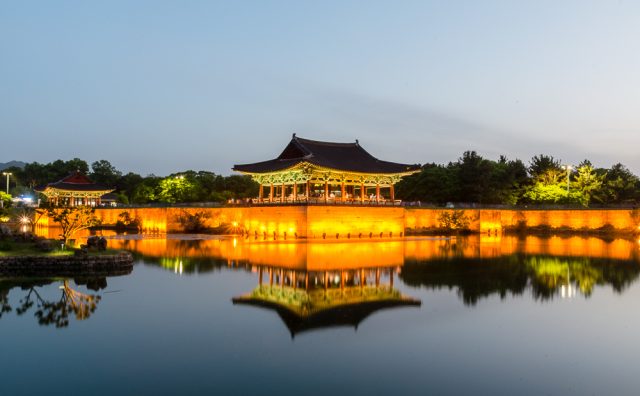
Gyeongju is a place where history isn’t confined to museums or books—it’s woven into the land itself. Once the capital of the ancient Silla Kingdom, the city feels like an open-air archive, where every hill, stream, and stone carries traces of a civilization that flourished over a thousand years ago. The Historical Zone of Gyeongju isn’t just a collection of landmarks; it’s a sprawling landscape where the past lingers in the quiet rustle of leaves, the curve of a hillside, or the reflection of a pond. Walking through it, you don’t just see history—you sense it, as if the weight of centuries has settled into the very air.
At the heart of this zone lies Anapji Pond, a place that was once part of the royal palace complex. Today, only the foundations of the old walls remain, but the pond itself is still striking. A vast expanse of water dotted with small islands, it was designed to reflect the grandeur of the Silla court. In autumn, when the maples along its banks turn crimson and gold, the water mirrors the sky so perfectly that the boundary between earth and heaven seems to blur. Even now, the pond is used for festivals and ceremonies, a quiet nod to the rituals that once unfolded here. There’s something almost poetic about standing by its edge, imagining the processions of courtiers and scholars who once gathered in this very spot.
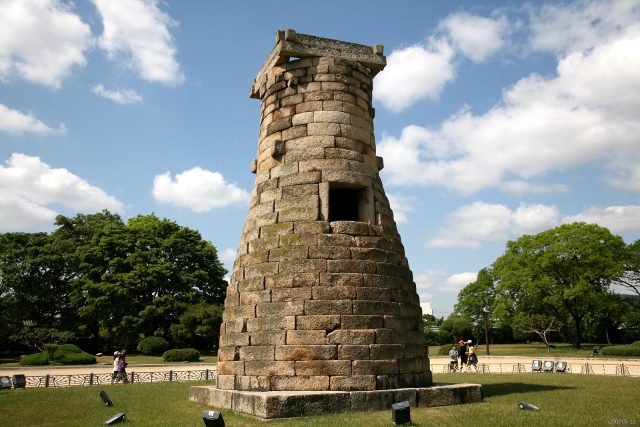
Not far from the pond stands Cheomseongdae Observatory, one of the oldest surviving astronomical structures in East Asia. Built in the 7th century, it’s a simple stone tower with narrow windows, its unassuming appearance belying its significance. Scholars still debate its exact purpose, but its design suggests that the Silla people had a sophisticated understanding of celestial movements, likely using it to track the seasons and guide agricultural cycles. Today, the tower stands surrounded by greenery, a silent witness to the scientific curiosity of a kingdom that valued both earthly and cosmic knowledge.
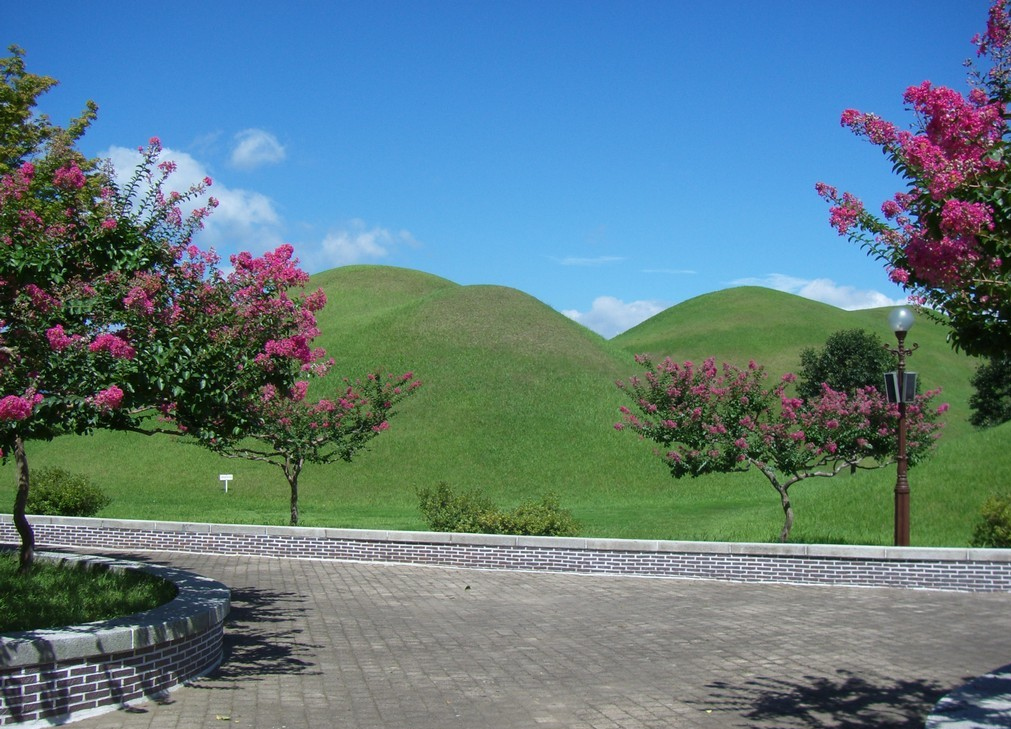
The tombs of Silla’s rulers are scattered across Gyeongju, but the most famous cluster lies in Tumuli Park. These are not the ornate mausoleums of later dynasties, but grassy mounds, some towering over the landscape like natural hills. Beneath them lie burial chambers filled with treasures—golden crowns, intricate jewelry, and ceremonial weapons—many of which have been unearthed and displayed in museums. Yet most of the tombs remain untouched, their secrets still buried. Walking among them, it’s easy to feel the weight of time; each mound could hold the remains of a king or queen, their stories lost to the ages but their presence still palpable in the quiet rustle of the wind through the grass.
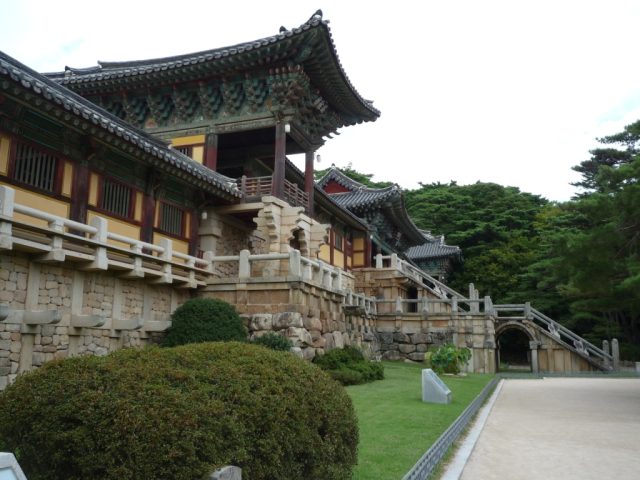
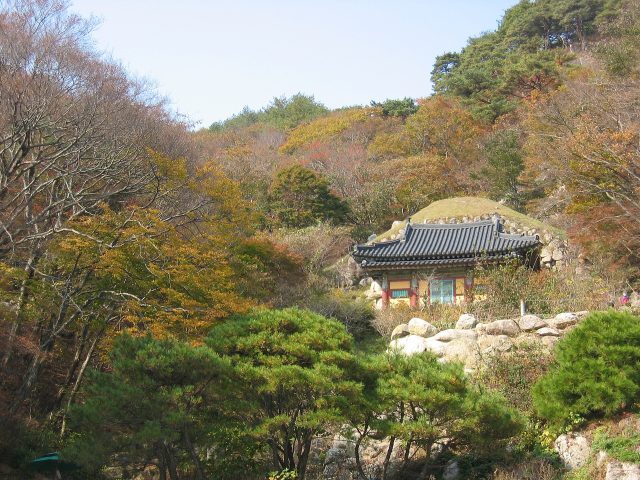
A short distance from the city center, the Bulguksa Temple and Seokguram Grotto offer a different kind of historical immersion. Bulguksa, built in the 8th century, is often called one of Korea’s most beautiful Buddhist temples. Its wooden pavilions, stone bridges, and pagodas blend seamlessly with the surrounding forest, creating a sense of harmony between human craftsmanship and nature. Inside, ancient statues and murals tell stories of devotion and artistry. Seokguram, meanwhile, is a man-made cave housing a monumental granite Buddha, carved with such precision that it seems to radiate serenity. Created as a place of meditation, the grotto still feels like a sanctuary, its cool stone walls and dim light inviting quiet reflection.
Gyeongju isn’t just a relic of the past—it’s a living city where history and modernity coexist. In the older neighborhoods, traditional teahouses serve drinks prepared according to centuries-old recipes, while street vendors sell *hwangnam-ppang*, a sweet red bean bread that’s been a local specialty since the Silla era. In the evenings, the streets glow with lanterns, casting a warm light over the old buildings and creating an atmosphere that feels both timeless and intimate. There’s no rush here; the city unfolds slowly, revealing itself in small moments—a glimpse of a courtyard through an open gate, the scent of pine needles underfoot, the sound of a temple bell echoing in the distance.
The best times to visit are spring and autumn, when the weather is mild and the landscape is at its most vibrant. Cherry blossoms in April or the fiery hues of maple leaves in October add another layer of beauty to the historical sites. Summer can be hot and humid, and winter brings a quiet chill, but even then, Gyeongju retains its charm. The key is to take your time. This isn’t a place to tick off a checklist of attractions; it’s a city that rewards patience, where the real magic lies in the spaces between the monuments—the way the light filters through the trees at dusk, the stillness of a pond at dawn, or the unexpected encounter with a local artisan carrying on a tradition that’s older than the city itself.
What makes Gyeongju special isn’t just its age or its artifacts, but the way it makes history feel tangible. You don’t need to be a scholar to sense the layers of time here; they’re present in the worn steps of a temple, the curve of a tomb’s slope, or the way the wind carries the scent of earth and pine. It’s a place where the past isn’t just remembered—it’s still alive, waiting to be discovered by those willing to slow down and listen.