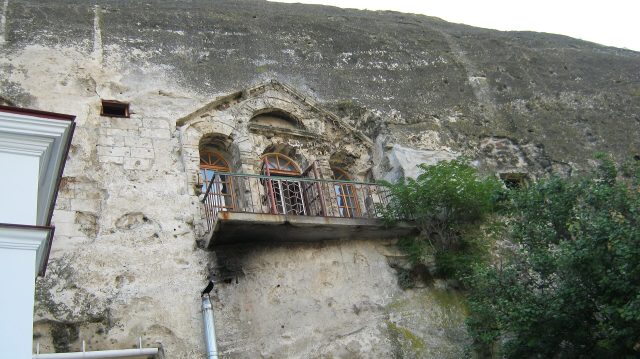
Inkerman, a quiet town nestled in the hills of Crimea, is known for more than just its ancient cave monasteries and rugged coastline. Here, tucked away near the Black Sea, stands one of Russia’s most respected wineries, the Inkerman Winery. For over a century and a half, it has been crafting wines that carry the distinct character of the region—rich, full-bodied reds, crisp whites, and the occasional sparkling surprise. The winery isn’t just a place of production; it’s a living piece of Crimean history, where tradition and modern winemaking coexist in a landscape shaped by time.
The story of Inkerman Winery begins in the mid-19th century, when the Russian Empire sought to establish a foothold in winemaking on par with Europe’s finest regions. Crimea, with its Mediterranean climate and limestone soils, was an obvious choice. The winery was founded in 1848, though its early years were modest, focused on supplying wine to the nearby naval base in Sevastopol. It wasn’t until the late 19th and early 20th centuries that Inkerman began to gain recognition, thanks in part to the efforts of winemakers who experimented with local grape varieties and aging techniques. The Soviet era brought both challenges and opportunities—state control standardized production, but it also allowed the winery to expand, turning it into one of the largest in the region.
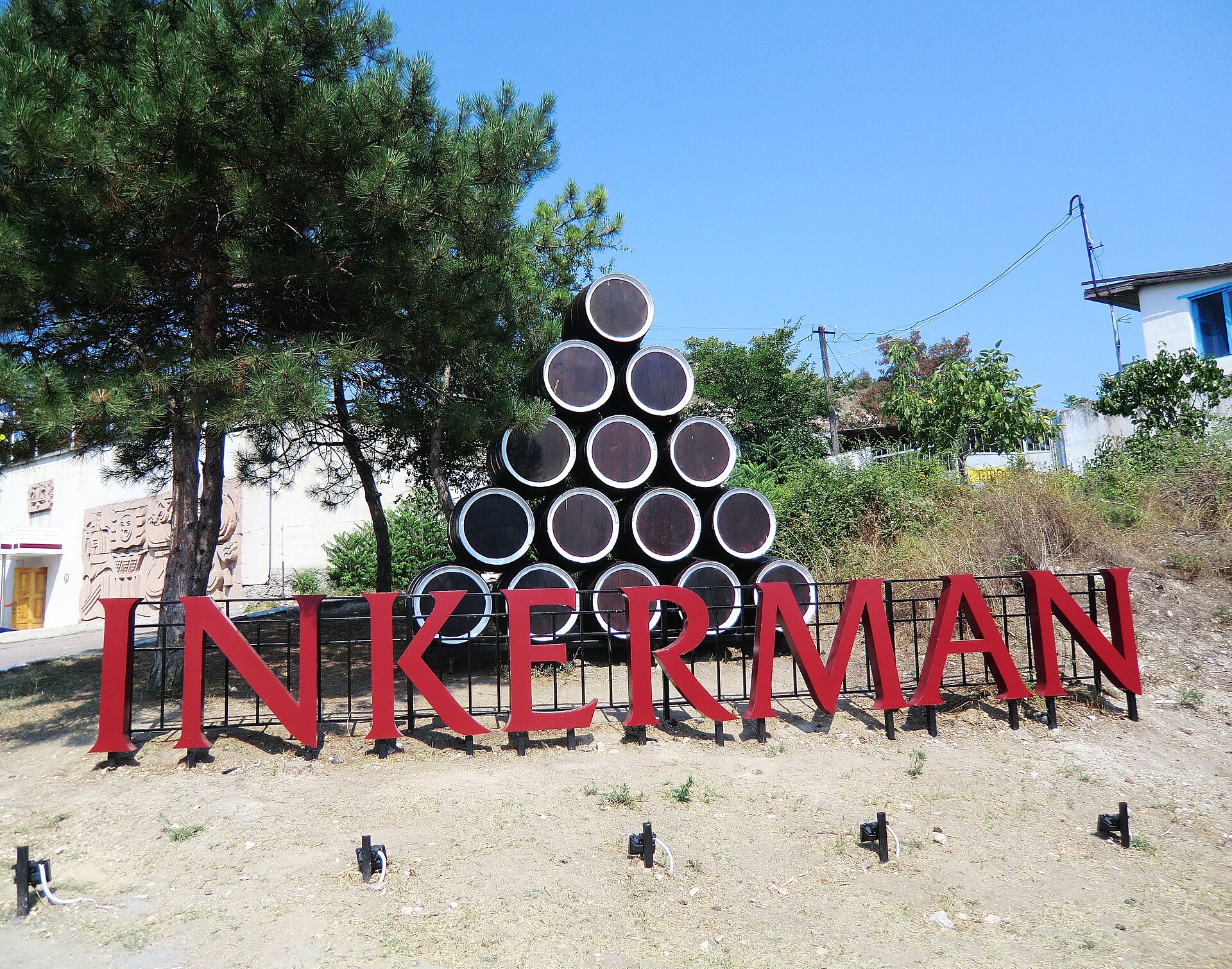
What makes Inkerman’s wines stand out is the land itself. The vineyards stretch across the Inkerman Valley, where the soil is a mix of limestone and clay, and the sea breeze tempers the summer heat. The winery specializes in indigenous Crimean grapes, like the robust Saperavi and the aromatic Aligoté, alongside classic varieties such as Cabernet Sauvignon and Chardonnay. The limestone cellars, carved into the hillsides, provide the perfect conditions for aging—cool, dark, and humid, allowing the wines to develop complexity over time. Some of the oldest cellars date back to the 19th century, their walls lined with oak barrels that have held generations of vintages.
Visiting the winery is less about grand tours and more about stepping into a working piece of history. The main building, a low-slung structure of weathered stone, blends into the landscape, as if it has always been there. Inside, the air is thick with the scent of fermenting grapes and aged wood. The tasting room is simple, almost unassuming, with wooden tables and shelves lined with bottles. Here, you can sample wines that range from young, vibrant whites to deep, brooding reds that have spent years in the cellars. The staff, many of whom have worked at the winery for decades, speak with quiet pride about the process—how the grapes are handpicked, how the wines are aged, and how each vintage tells a story of the year’s weather and the land’s mood.
Beyond the tasting room, the real magic lies beneath the surface. The underground cellars, some of which are open to visitors, stretch for kilometers, their arched ceilings supported by thick stone pillars. The temperature here hovers around a constant 12 degrees Celsius, ideal for slow aging. Walking through these tunnels, you pass row upon row of barrels and bottles, some marked with dates from the Soviet era, others from more recent years. The oldest wines in the collection are rare treasures, stored in dusty bottles that have witnessed decades of change. It’s a humbling experience, standing in a place where time moves differently, where the past is preserved in liquid form.
Inkerman Winery isn’t just about the wine; it’s about the rhythm of life in Crimea. The vineyards are tended by local workers, many of whom come from families that have farmed these lands for generations. The harvest, usually in September, is a time of celebration, with workers picking grapes by hand under the warm autumn sun. The winery also plays a role in the community, hosting small gatherings and events that bring together locals and visitors alike. There’s no grand spectacle here—just the quiet satisfaction of a place that has found its purpose and stuck to it, year after year.
For those who appreciate wine, Inkerman offers something rare: a connection to a place that feels untouched by the rush of modern life. The wines are unpretentious yet refined, reflecting the landscape from which they come. A glass of Inkerman’s Saperavi, with its notes of dark fruit and earthy spice, is like tasting the sun-baked hills of Crimea itself. The whites, crisp and mineral-driven, carry the freshness of the Black Sea breeze. And the sparkling wines, made using traditional methods, are a reminder that even in a region known for its still wines, there’s room for a little effervescence.
The winery’s legacy is also tied to the broader history of Crimea. Over the years, it has weathered wars, political upheavals, and economic shifts, yet it has endured. During World War II, the cellars were used to store not just wine but also supplies for the Soviet military. In the post-Soviet era, the winery faced new challenges as it transitioned from state ownership to private hands. Today, it stands as a symbol of resilience, a place where the past and present coexist. The wines, like the land itself, carry the marks of history—some vintages are smoother, others more rugged, but all are a testament to the enduring spirit of Crimea.
Visiting Inkerman is a reminder that great wine is as much about place as it is about process. The winery doesn’t offer flashy tours or gimmicks; instead, it invites you to slow down, to taste, and to listen. The stories here are told in the quiet hum of the cellars, in the patient aging of the wines, and in the hands of the people who have dedicated their lives to this craft. Whether you’re a seasoned oenophile or simply someone who enjoys a good glass of wine, Inkerman offers a glimpse into a world where time moves at its own pace, and every bottle has a story to tell.