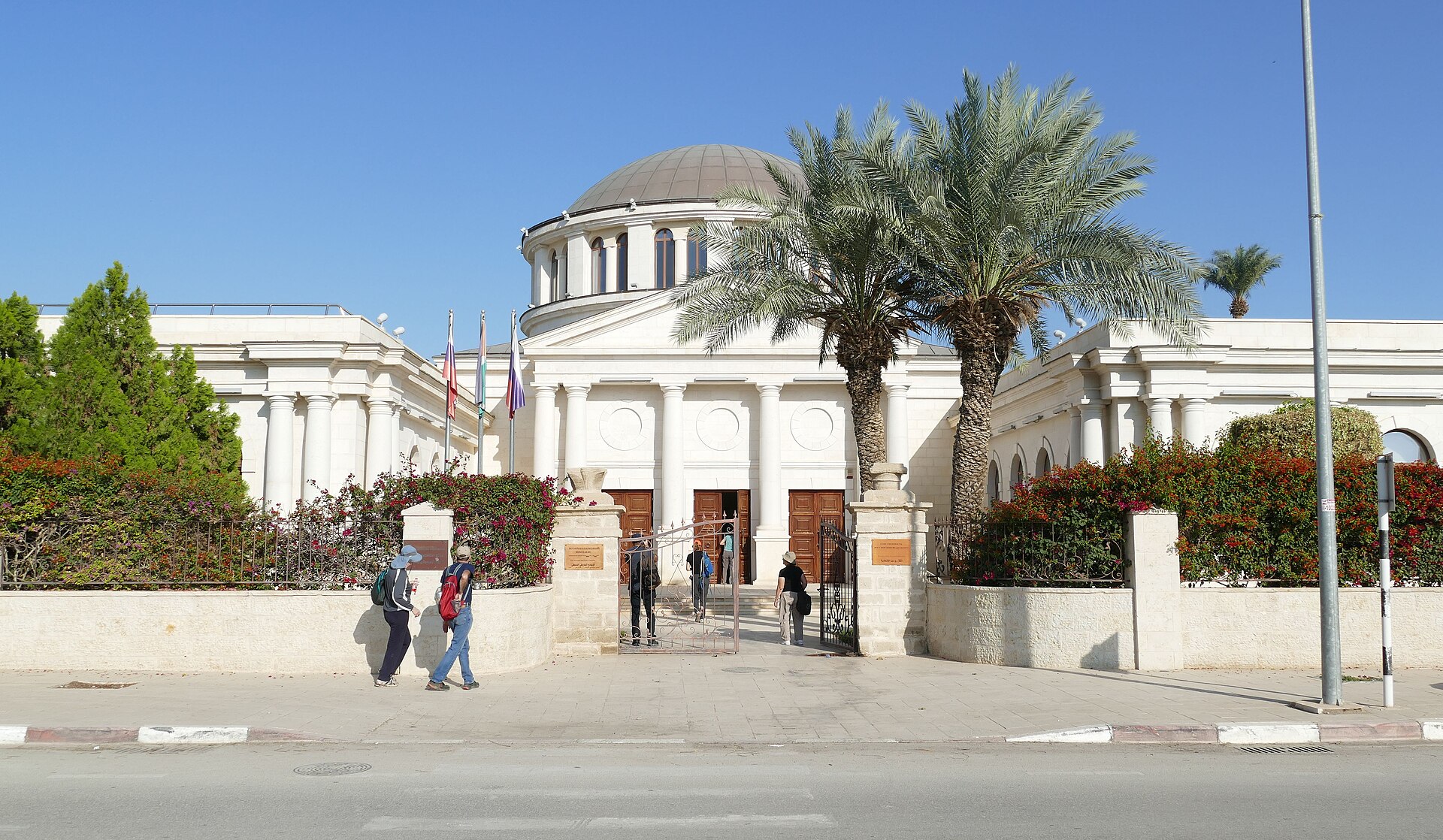
Jericho’s Museum of Palestinian Heritage feels like stepping into a slower, quieter rhythm of time. Nestled in one of the world’s oldest continuously inhabited cities, where layers of history stretch back over ten thousand years, the museum offers more than just artifacts—it preserves the essence of Palestinian life before modernity reshaped it. The building itself is part of that story, designed in the traditional style with thick stone walls that keep out the desert heat and an inner courtyard where families once gathered under the shade of grapevines. The architecture isn’t just for show; it’s practical, built to endure the climate while creating a sense of warmth and welcome.
Inside, the space is arranged like a Palestinian home, with low seating, embroidered cushions, and copper coffee pots that hint at the rituals of hospitality. The exhibits span centuries, but the focus is on the late 19th and early 20th centuries, when daily life still revolved around age-old customs. One of the most striking displays is the collection of traditional clothing, each piece hand-embroidered with intricate patterns that vary by region. These weren’t just decorative—they carried meaning, reflecting a family’s history, social standing, and even the emotions of the woman who stitched them. Nearby, tools for spinning and weaving show how wool, linen, and cotton were transformed into fabric for clothing, blankets, and rugs, a process that once took place in nearly every household.
The museum’s ceramics are another highlight, known for their bold colors and geometric designs painted by hand. Some pieces are simple, like water jugs and everyday bowls, while others are more elaborate, reserved for celebrations. A few are inscribed with Arabic calligraphy, offering blessings or verses from the Quran. Alongside them, brass and copper items—trays, coffee pots, candlesticks—show the skill of local metalworkers who passed down their craft through generations. These objects weren’t just functional; they were part of the rhythm of daily life, used in everything from preparing meals to welcoming guests.
What makes the museum different from many others is its emphasis on keeping traditions alive. Visitors aren’t just observers—they can try their hand at embroidery, pottery, or even cooking Palestinian dishes. Workshops often focus on classics like musakhan, chicken roasted with onions and spices on flatbread, or makloubeh, a layered dish of rice, meat, and vegetables that’s flipped upside down before serving. These aren’t just recipes; they’re stories, passed down through families and still shared today. The museum becomes a place where the past isn’t just remembered but actively practiced.
Beyond the exhibits, the museum offers a glimpse into the broader culture of Palestine. Recordings of traditional music play softly in the background, while photographs of old markets and streets show how life once looked. There are personal stories, too—accounts of families who lived through change, holding onto their identity even as the world around them shifted. The museum doesn’t romanticize the past; it presents it honestly, acknowledging both its beauty and its challenges. It’s a reminder that culture isn’t something frozen in time but something that continues to evolve.
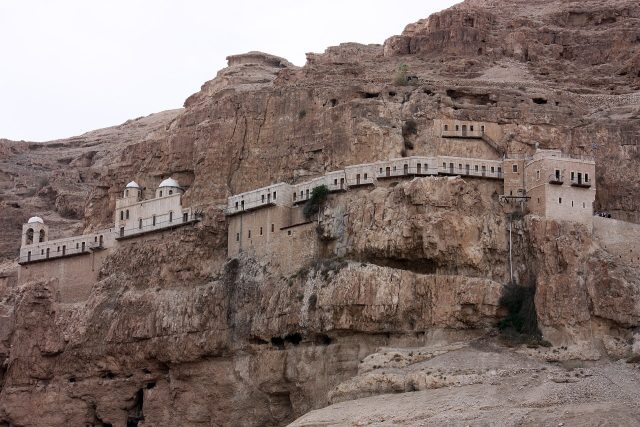
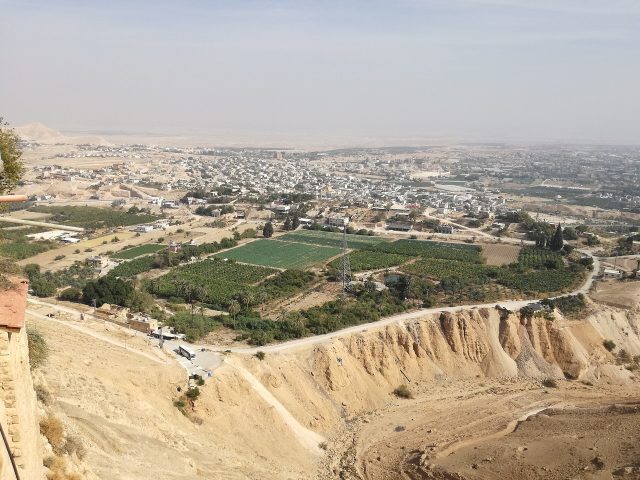
Jericho itself adds another layer to the experience. The city is an oasis in the desert, surrounded by palm groves and banana plantations, with a history that feels tangible at every turn. Nearby, the ruins of ancient settlements and the Mount of Temptation, where tradition says Jesus fasted for forty days, offer a deeper connection to the past. After visiting the museum, it’s worth wandering through the city’s streets, stopping at a café for strong coffee spiced with cardamom. The museum doesn’t just tell the story of Palestine—it provides the context to understand the place itself.
In the end, the Museum of Palestinian Heritage isn’t just a stop for tourists. It’s a space where memory is kept alive, where every object, photograph, and story serves as a thread in the larger fabric of Palestinian identity. The past isn’t something to be admired from a distance here; it’s something to engage with, to learn from, and to carry forward. The museum doesn’t just preserve history—it invites visitors to see how that history still shapes the present.