Yavne is one of those quiet Israeli towns that most travelers overlook, tucked between Tel Aviv and Ashdod like a well-kept secret. It doesn’t have the beaches of Herzliya or the ancient walls of Jaffa, and it won’t dazzle you with grand monuments or bustling markets. What it does have is something harder to find these days—a sense of real life, unfiltered and unpolished for tourists. This is a place where history isn’t just preserved in museums but lingers in the air, where the rhythm of daily existence hasn’t been drowned out by the noise of mass tourism.
The story of Yavne stretches back thousands of years, though you wouldn’t guess it from the modern streets. The town appears in the Bible as Yavne’el, a name that echoes through the centuries as empires rose and fell around it. Canaanites, Philistines, Romans, Byzantines, Arabs, and Crusaders all left their mark here, but Yavne’s true moment in history came after the destruction of the Second Temple in 70 CE. When Jerusalem lay in ruins, Jewish scholars gathered in Yavne to preserve their traditions, compiling the oral Torah and shaping the foundations of rabbinic Judaism. The physical traces of that era may be scarce, but the weight of what happened here is still palpable. Walk through the town, and you can almost feel the presence of those who once debated law and faith in these same streets.
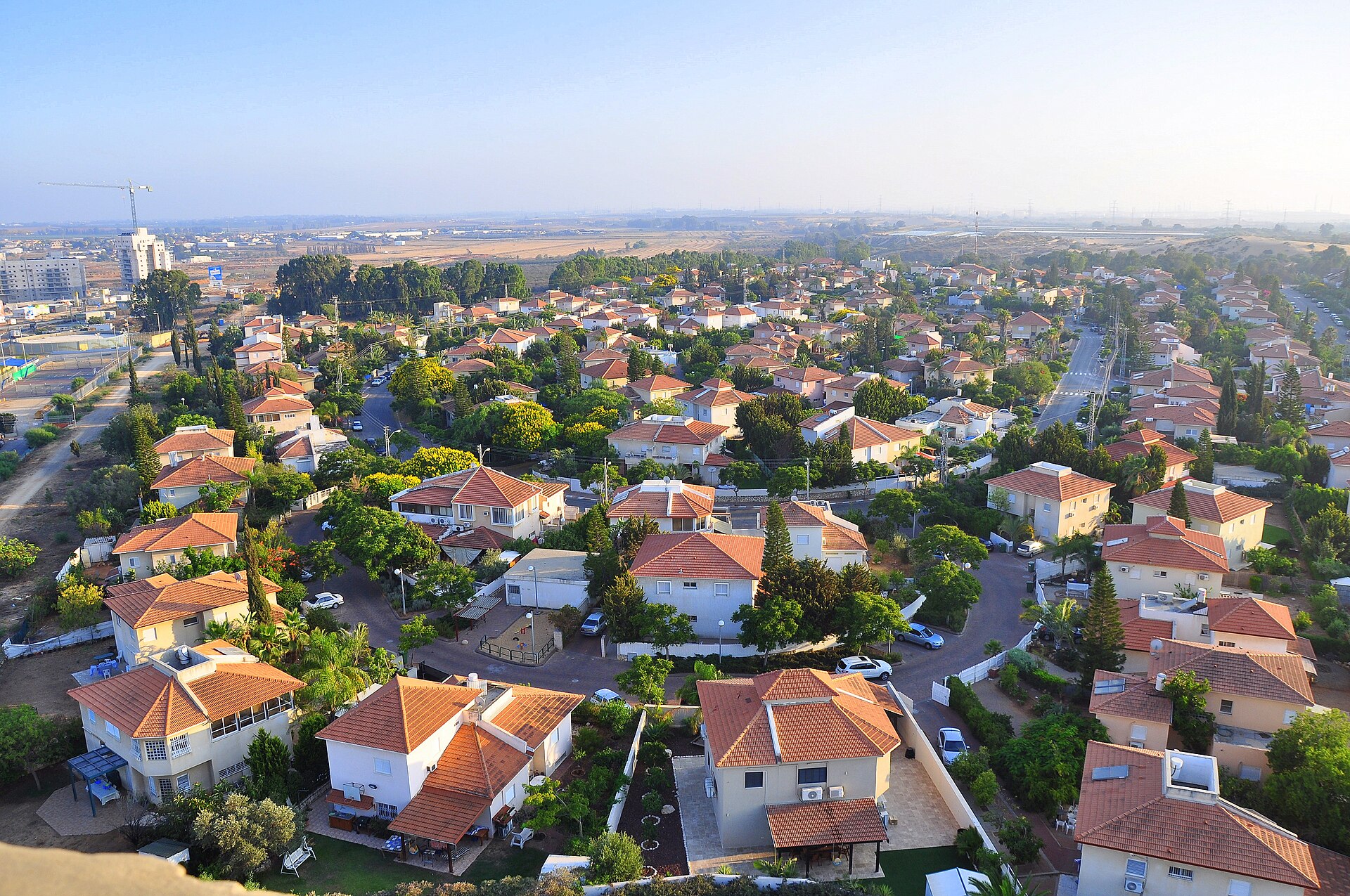
Modern Yavne doesn’t try to impress with its architecture. There are no Ottoman palaces or medieval fortresses, just a mix of utilitarian apartment blocks and the occasional older building from the British Mandate period. The low-slung houses with flat roofs, the narrow side streets, and the small family-run shops give the town a provincial charm, the kind that slows time down. This isn’t a place for dramatic skylines or Instagram-worthy facades, but for those who pay attention, there’s a quiet beauty in its simplicity. The town has grown rapidly in recent decades, becoming a bedroom community for people who work in Tel Aviv or Ashdod, yet it hasn’t lost its small-town feel entirely.
On the outskirts of Yavne, an archaeological park offers a glimpse into the layers of history buried beneath the modern town. The excavations here are modest compared to those in Caesarea or Masada, but they reveal fragments of Yavne’s past—mosaics, pottery, coins, and the foundations of ancient structures. The most significant finds date to the Roman and Byzantine periods, when Yavne was a thriving center of trade and religion. The park isn’t always open to the public, so it’s worth checking ahead if you’re hoping to visit. Even if you can’t get in, just knowing what lies beneath the surface adds depth to the town’s unassuming streets.
For a taste of local life, the town square is the place to be. There are no tour groups here, just the everyday rhythms of a community going about its business. Elderly men play backgammon under the shade of trees, children dart between parked cars, and small groups gather in cafes to sip coffee and catch up on gossip. The square is surrounded by little shops selling everything from fresh produce to traditional Jewish pastries. One of the best spots is the local bakery, where the scent of freshly baked challah spills onto the sidewalk. It’s the kind of place where you can grab a warm loaf straight from the oven and eat it on the spot, no ceremony required.
Yavne isn’t just a relic of the past—it’s a town very much alive, evolving in its own quiet way. Housing here is more affordable than in Tel Aviv, and the convenient location has drawn a steady stream of new residents. The town has its share of modern amenities: schools, shopping centers, parks, and even a small industrial zone. In recent years, cultural events have started to take root, too. There’s an annual music and dance festival that brings performers from across the country, though it’s a far cry from the high-profile events in Tel Aviv. For the locals, though, it’s a highlight of the year, a chance to come together and celebrate.
What makes Yavne special is the way it bridges different worlds. This is a town where history and modernity coexist, where people of various backgrounds—Jewish, Arab, immigrants from all over—live side by side. It’s not without its challenges, like any growing community, but there’s a sense of harmony here that’s increasingly rare. The tensions that sometimes flare in other parts of Israel feel distant in Yavne, replaced by a quiet, unassuming normalcy. It’s the kind of place where you can sit in a café and watch life unfold without pretense.
If you come to Yavne expecting luxury hotels or nonstop entertainment, you’ll leave disappointed. But if you’re looking for something more authentic—a place where you can see how ordinary Israelis live, where history isn’t just a spectacle but a living part of the landscape—then Yavne might surprise you. There are no tourist traps here, no overpriced souvenirs or staged performances. Instead, there’s the chance to experience a side of Israel that most visitors never see: a town where the past is always present, and where the simplest moments often carry the most meaning.