Yavne’s public library sits quietly in the heart of the city, a place where the hush of turning pages feels louder than the world outside. It’s not tucked away in some grand cultural district—just a modest building on a street lined with low-rise apartments and small shops, where the rhythm of daily life moves at its own unhurried pace. There are no crowds of tourists here, no guided tours with headsets, no flashy signs competing for attention. Instead, there are shelves of books, the soft glow of reading lamps, and the kind of stillness that makes you want to linger.
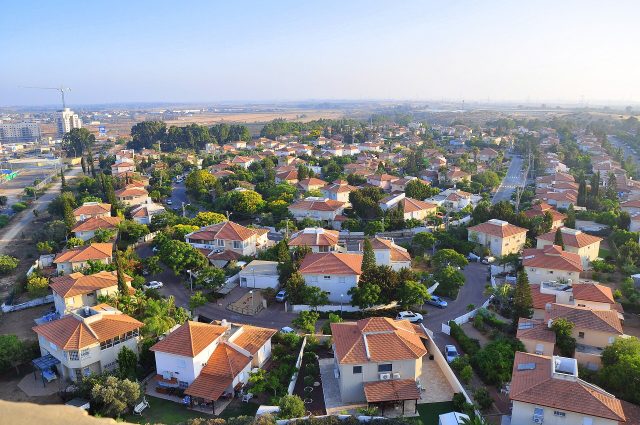
Yavne itself is a city with layers. Its history stretches back to biblical times, though for most of its existence, it was little more than a sleepy settlement. The modern city began to take shape in the mid-20th century, as waves of new residents—many of them immigrants from different corners of the world—settled here. The library came later, not as some grand civic statement, but as a natural part of the city’s growth. Over time, it became a place where the stories of Yavne’s diverse population could intersect, where the past and present could coexist on the same shelves.
The building itself is unassuming. There are no towering columns or vaulted ceilings, just a welcoming space with large windows that let in the daylight and a reading room where you can lose yourself in a book for hours. The air carries the familiar scent of paper and the faint aroma of coffee from the vending machine in the corner—an unmistakable mix that often brings back memories of childhood libraries or the first time you wandered into a bookstore on your own. People here don’t need to be told to keep their voices down; the atmosphere does that on its own, as if everyone instinctively understands that this is a place for quiet reflection.
The collection reflects the city’s diversity. Books in Hebrew, Russian, English, French, and Arabic sit side by side, mirroring the languages spoken in Yavne’s homes and streets. There’s a children’s section where kids flip through brightly illustrated pages, and a reference area where students and curious minds dig into subjects they want to understand better. History books about Israel and the Middle East hold a special place on the shelves—not just as academic texts, but as something more personal, something that resonates with the lives of the people who live here.
But the library is more than just a place to borrow books. It’s a hub for the community, where writers come to read from their work, where book clubs meet, and where lectures and workshops bring people together. There are chess groups, poetry circles, and language exchange meetups—small gatherings where strangers become acquaintances, and where conversations often drift toward the things that truly matter. In a city shaped by migration, where people have arrived from different countries and cultures, these moments of connection feel especially meaningful.
Families, in particular, have made the library a part of their lives. For parents, it’s a place to bring their children on weekends, a quiet alternative to screens and video games. There’s a cozy corner for the youngest visitors, with soft cushions and toys, where toddlers can listen to stories or flip through picture books. Older kids attend reading workshops and trivia contests, discovering the joy of books in an age when digital distractions are everywhere. It’s one of the few places left where a book still feels like something magical.
What makes Yavne’s library special, though, isn’t any single feature—it’s the way it feels like a second home. There are no stern librarians watching over your shoulder, no rigid rules about where to sit or how long to stay. People come here for different reasons: some to work on their laptops for hours, others to grab a book and leave. For some, it’s part of their routine, as familiar as their morning coffee or an evening walk. The library doesn’t try to be anything more than what it is—a place where people can slow down, think, or simply be.
Yavne isn’t a city that chases tourists or tries to be something it’s not. It moves at its own pace, unhurried and unpretentious. The library fits perfectly into that rhythm. It doesn’t need grand architecture or rare collections to stand out. What it offers is something simpler, and perhaps more valuable: a space where books, silence, and the people who appreciate them come together naturally. In a world that often feels too loud and too fast, that’s enough.