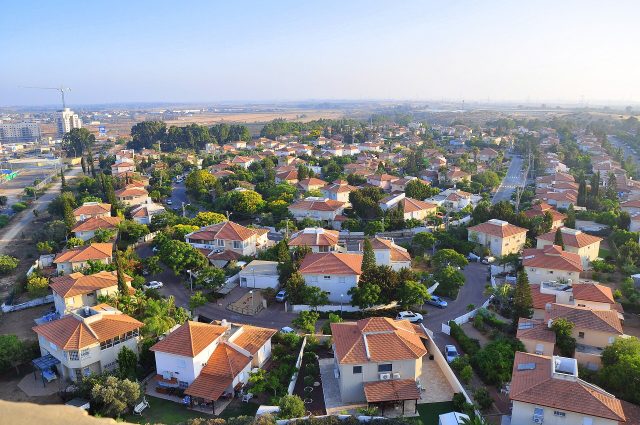
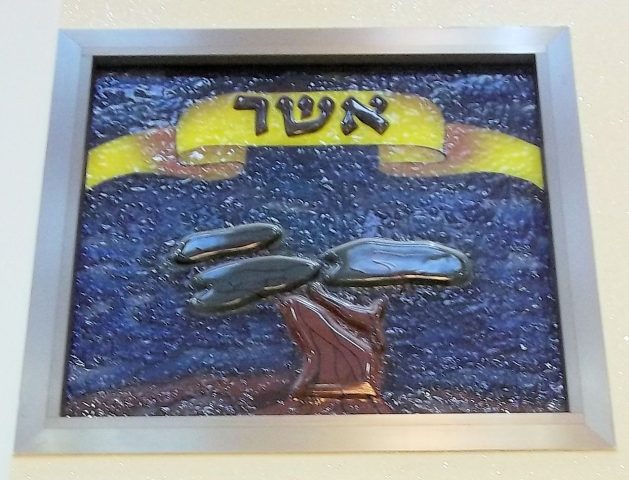
In the quiet heart of Yavne, a small city with a story woven into the fabric of modern Israel, stands a memorial that carries the weight of memory without a single grand gesture. It’s an unassuming place, tucked between low-rise buildings and patches of greenery, where the air seems to settle differently—more deliberate, more still. There’s no fanfare here, no towering monuments or dramatic sculptures, just a modest stone stele etched with names. Yet for those who know what it represents, its presence is impossible to ignore.
The memorial’s design is simple, almost austere, as if the architects understood that some things don’t need embellishment. The stone, pale and smooth, catches the light in a way that makes the names carved into it appear almost luminous at certain times of day. It’s a material that speaks of endurance, of something meant to last, though the lives it commemorates were cut short. Around the base, you’ll often find fresh flowers—some carefully arranged, others left in haste, their stems still damp from the morning dew. On national days of remembrance, small flags flutter in the breeze, adding a fleeting splash of color to the otherwise muted tones of the place.
Yavne itself is a city that doesn’t often make headlines. It lacks the ancient grandeur of Jerusalem or the cosmopolitan energy of Tel Aviv, but its history is no less significant. During Israel’s War of Independence in 1948, it served as a strategic point, a quiet stronghold in a landscape of shifting borders and sudden battles. The memorial was erected to honor those who fought here, who fell here, and who never made it home. Over the decades, it has become a fixture of the city, a place where the past is not just remembered but actively kept alive. Every year on Memorial Day, crowds gather here—not in mourning so much as in quiet acknowledgment, a shared moment of reflection that transcends generations.
The atmosphere shifts with the hours. In the early morning, when the stone is still cool from the night, the memorial feels almost suspended in time. The usual sounds of the city—the hum of traffic, the chatter of schoolchildren—fade into the background, as if the place itself demands a certain reverence. By evening, when the streetlights cast long shadows, the names on the stele stand out more sharply, their edges softened only by the warm glow of the lamps. In winter, when rain is rare but not unheard of, the stone darkens, the water pooling in the grooves of the letters, making them appear deeper, more insistent. It’s as if the elements, too, are part of the act of remembrance.
For the people of Yavne, the memorial is more than a static monument. It’s a living part of their daily lives, a place where history isn’t confined to textbooks but walks alongside them. Children playing nearby instinctively lower their voices when they pass it, and elderly residents often sit on the benches, lost in thought or conversation. School groups visit, their teachers pointing out names and recounting stories of the past, turning the memorial into an open-air classroom. It’s a place where the line between the personal and the collective blurs—where a name on a stone might belong to a neighbor’s son, a friend’s father, or a stranger whose sacrifice still echoes in the lives of those who remain.
What makes this memorial particularly striking is its universality. There are no distinctions here between officers and soldiers, between those who died in famous battles and those who fell in skirmishes long forgotten. The names are listed without rank or title, a reminder that war touches every corner of a nation, no matter how small or unassuming. In Israel, where the weight of history is never far from the surface, such places serve as anchors—quiet but unshakable. They don’t ask for admiration or pity; they simply exist, a testament to the fact that some losses are too profound for words.
Visiting the memorial in Yavne is not like visiting a tourist attraction. There are no guided tours, no gift shops, no carefully curated narratives. Instead, it offers something far more intimate: a glimpse into the way a community carries its past. For outsiders, it can be a jarring experience, this absence of spectacle. There are no grand speeches, no dramatic displays—just a stone, some flowers, and the occasional murmur of a prayer. Yet in that simplicity lies its power. It’s a place that doesn’t tell you how to feel but invites you to understand, to sit with the silence and let it speak for itself.
Perhaps that’s why it endures. In a country where history is often contested and memory politicized, the memorial in Yavne remains a rare space of unadorned truth. It doesn’t seek to glorify war or romanticize sacrifice; it simply honors those who are no longer here. And in doing so, it becomes more than a monument. It becomes a bridge between the past and the present, a reminder that some stories are never truly finished—they live on in the people who remember, in the names on a stone, in the quiet moments when the world pauses to reflect.