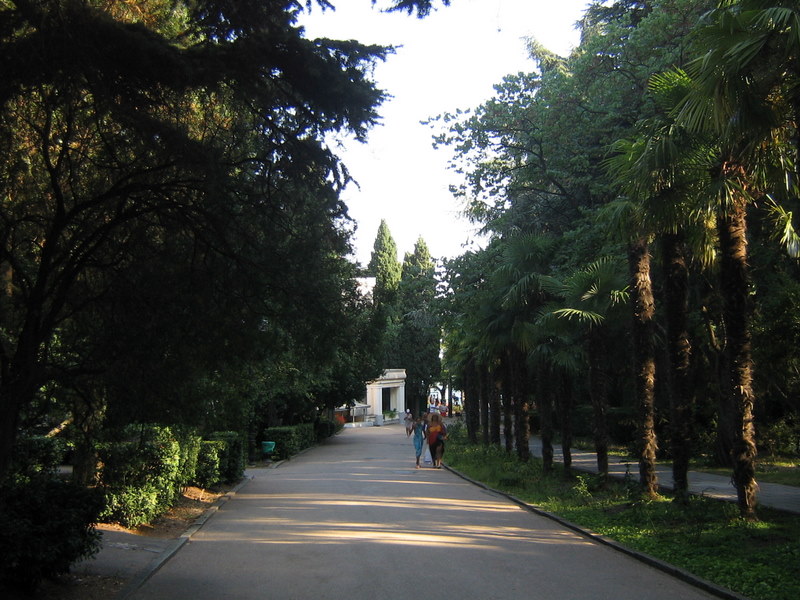
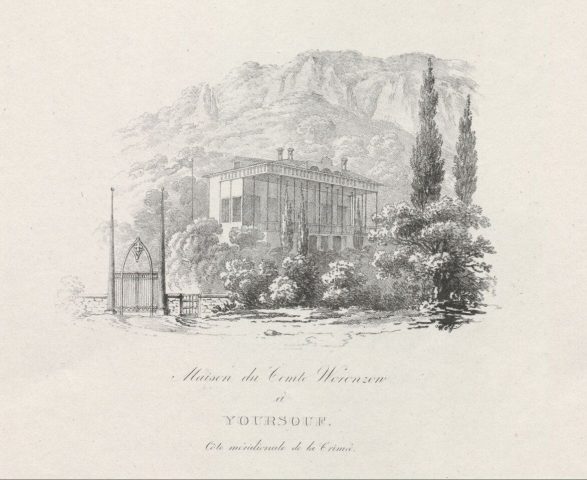
Gurzuf Park is one of those rare places in Crimea where nature and history blend so seamlessly that time seems to move at its own pace. Tucked along the southern coast, the park sprawls across gentle hills that slope down toward the sea. It isn’t large, but that’s part of its charm—there are no crowds here, just quiet corners perfect for slow walks or quiet conversations. The paths wind through groves of trees, past benches worn smooth by decades of use, and the air is always filled with the scent of pine and saltwater.
The park’s origins trace back to the early 19th century, when these lands were owned by the Duke of Richelieu, and later by Count Vorontsov, the governor-general of Novorossiya. Vorontsov, a man with a keen interest in botany, transformed Gurzuf into a model estate, carefully selecting plants from around the world that could thrive in the local climate. Mediterranean pines, cypresses, magnolias, and plane trees were planted here, and over time, they grew so well that they now feel like they’ve always belonged. The park wasn’t just about beauty—it was a practical experiment in acclimatizing foreign species, and many of them took root so successfully that they became part of the landscape.
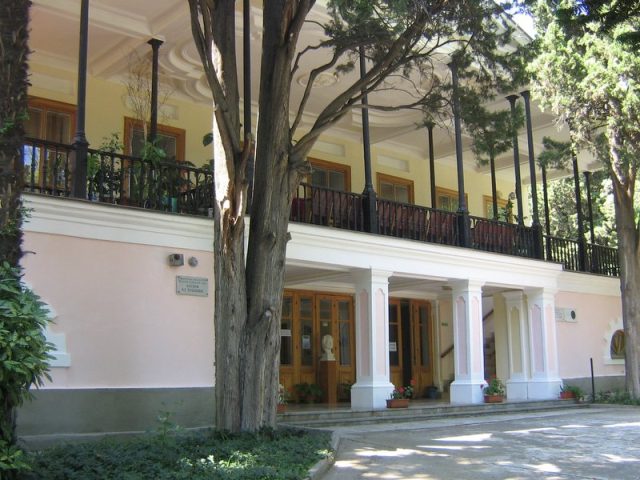
The architecture of the park is as much a part of its story as the trees. The centerpiece is the Vorontsov Palace, a small but striking building in the English Gothic style. Its pointed towers and arched windows look almost out of place against the southern backdrop, but that contrast is what makes it memorable. The palace was designed with care—every detail, from the carved stonework to the wrought-iron grilles, reflects a quiet elegance. Inside, a small courtyard with a fountain adds to the sense of seclusion. Today, the building houses a sanatorium, though parts of it remain open to visitors, offering a glimpse into its past as an aristocratic retreat.
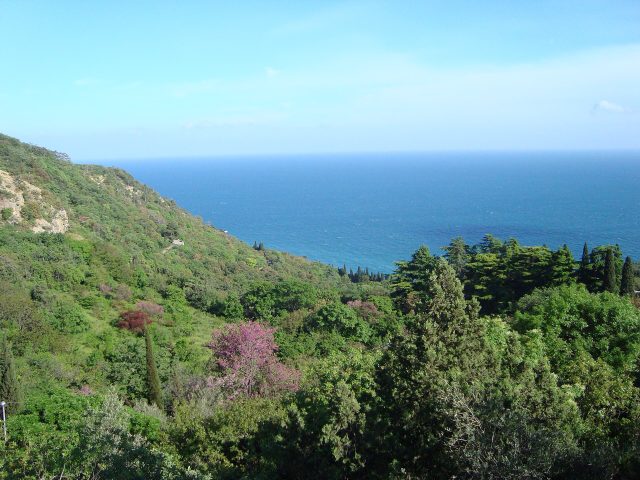
Beyond the palace, the park unfolds in a series of winding paths that lead up and down the hillsides. Some trails take you to viewpoints overlooking the sea, where the water stretches out in shades of blue and turquoise. Others meander through shaded groves, where the light filters through the leaves in dappled patterns. Benches line the paths, many of them dating back to the Soviet era, when Gurzuf was a favored destination for writers, artists, and scientists. A few still bear old plaques with names, hinting at the famous figures who once sat there, lost in thought or conversation.
One of the park’s most distinctive features is the Sail Rock, a small outcrop that juts into the sea like the prow of a ship. It’s not as well-known as other Crimean landmarks, but its shape is unmistakable. The rock is accessible only by a narrow path, which adds a sense of adventure to the short walk. Local legends claim pirates once used it as a lookout, though its dramatic form is more likely the work of wind and water over centuries. From the top, the view of the coastline is worth the climb, especially at sunset when the light turns the sea golden.
Gurzuf Park doesn’t feel like an open-air museum, even though it holds plenty of history. There are no rigid routes or strict rules here—just an invitation to wander. In summer, the air is thick with the scent of blooming flowers, while autumn brings a carpet of rustling leaves underfoot. Winter is quieter, with fewer visitors, but the bare trees and empty paths have their own stark beauty. The park changes with the seasons, yet it always feels the same in its essential calm.
Over the years, the park has become a natural part of Gurzuf’s identity. It doesn’t draw crowds like the more famous Crimean attractions, but those who visit once often return. Maybe it’s because the park doesn’t try to impress or entertain—it simply exists, offering a place to sit by the water and listen to the waves or stroll along the same paths that have been walked for nearly two hundred years. There’s no grand narrative here, just the quiet persistence of a place that has seen generations come and go, yet remains unchanged in its essence.