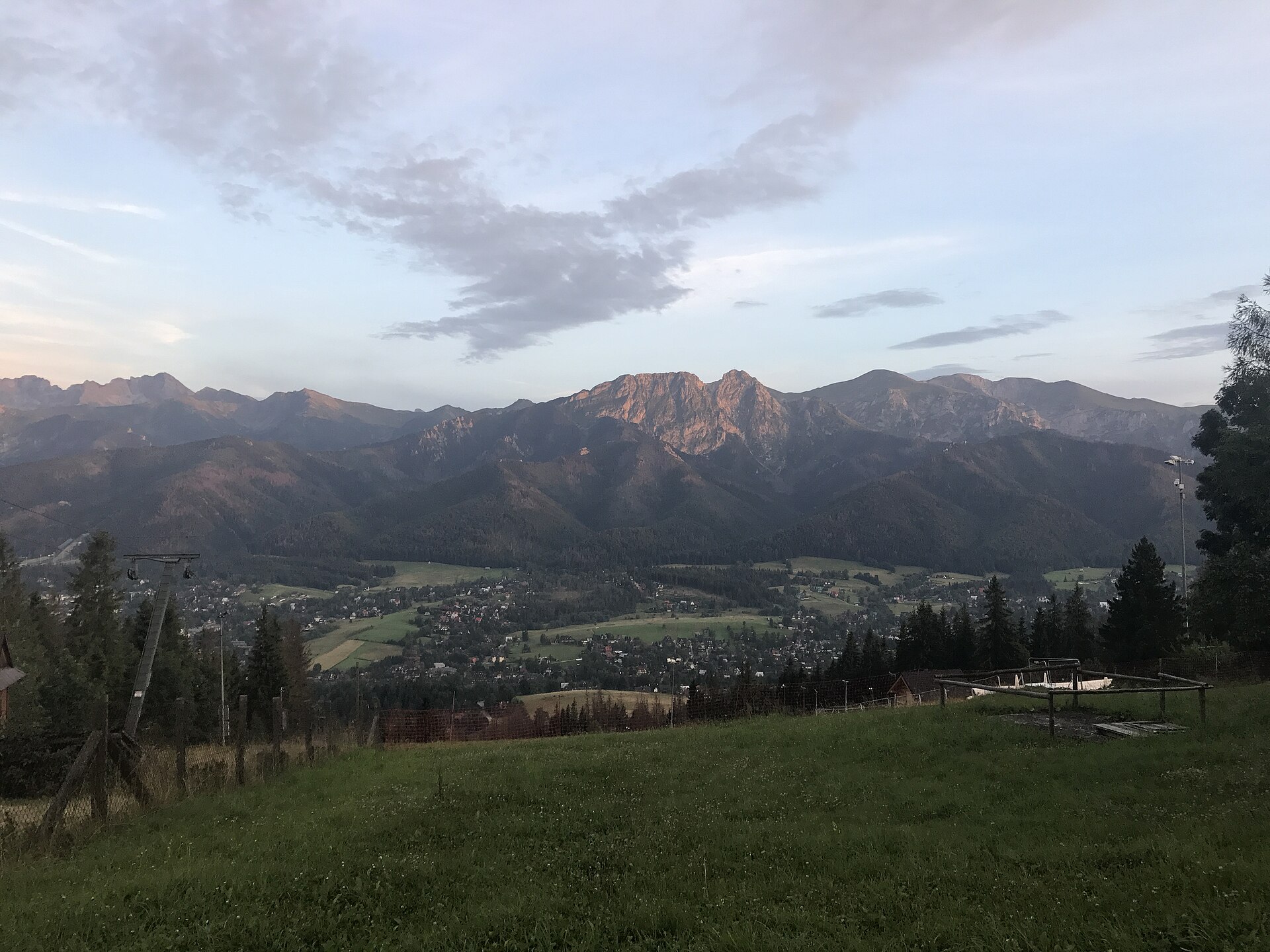
Gubałówka isn’t just a hill overlooking Zakopane—it’s where the Tatra Mountains’ raw beauty meets centuries of human stories. From its summit, just over a thousand meters high, the view stretches across wide valleys and jagged ridges, with Slovakia’s silhouette visible on clear days. But the real magic isn’t just in the panorama. This is a place where time moves differently, where shepherds once grazed their flocks, foragers gathered herbs, and later, the first visitors arrived seeking mountain air and quiet.
Zakopane’s transformation into a resort in the 19th century put Gubałówka on the map. As the town grew, the hill became a natural escape for those wanting to step away from the bustle below. Simple wooden huts appeared first, followed by more permanent structures, including the funicular railway that opened in 1938. Back then, it was a marvel—a symbol of progress bridging old ways with new. Today, the funicular is part of daily life, but its early years were a novelty, a sign of how quickly the mountains were changing.
The architecture here tells its own story. There are no grand hotels or modern facades, just weathered wooden chalets, shepherds’ huts, and rustic taverns that feel untouched by time. Many buildings date to the early 1900s, when Zakopane flourished as a retreat for artists and intellectuals. Architects of the era drew from local traditions, blending practicality with craftsmanship. The result is a landscape where every carved balcony or stone foundation speaks of a life shaped by the mountains—functional, unpretentious, and deeply rooted in the land.
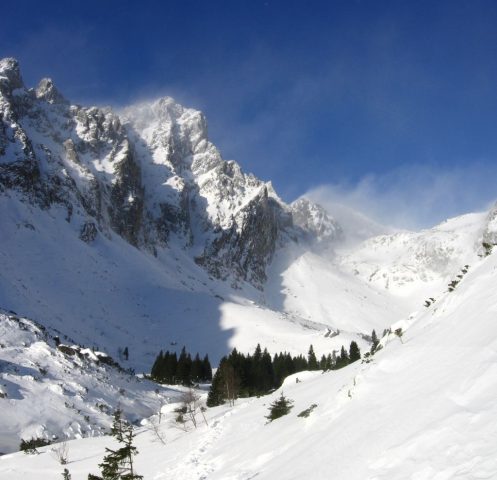
Gubałówka changes with the seasons, each one offering something distinct. In summer, sheep graze on the slopes, their bells mingling with the wind through the pines. Autumn turns the hillside gold, while winter brings skiers and sledders. When the snow melts, hiking trails reappear, winding toward viewpoints or deeper into the forest. No matter the time of year, the place has a way of slowing you down, of making the world feel a little quieter.
Traditions here aren’t relics—they’re alive. You might still see shepherds in traditional dress, hear the strains of a folk instrument, or taste dishes that have been made the same way for generations. Taverns serve żurek, a hearty sour rye soup, along with smoked meats and oscypek, the smoked sheep’s cheese that’s become a regional signature. These aren’t just tourist attractions; they’re part of a living culture, passed down through families and shared with anyone willing to listen.
For Zakopane, Gubałówka is more than a viewpoint—it’s a meeting point. Here, the town’s energy softens into something gentler, where the past and present coexist without fanfare. There’s no rush, no need to fill the silence. It’s a place to pause, to look out over the valleys and understand why this corner of Poland has drawn people for so long. The hill doesn’t just offer a view; it offers perspective.
There are many ways to reach the top. Some take the funicular, others hike through the forest, where the path winds past trees and wildflowers. A few ride horses or bikes, each route revealing something different. The funicular is quick, lifting you above the treeline in minutes, while the walk lets you feel the earth beneath your feet, hear the birds, and breathe in the scent of pine. Neither is better than the other—just different ways of arriving.
What makes Gubałówka special is how unassuming it is. There are no crowds, no flashy signs, just the quiet rhythm of the place. You can spend an hour here, soaking in the view, or linger for the day, exploring trails, eating in a tavern, or simply sitting on a bench with a cup of tea. It doesn’t demand attention; it invites you to slow down and notice. In that way, it’s not just a destination—it’s a reminder of what it means to belong to a landscape, to a history, to a way of life that’s still unfolding.