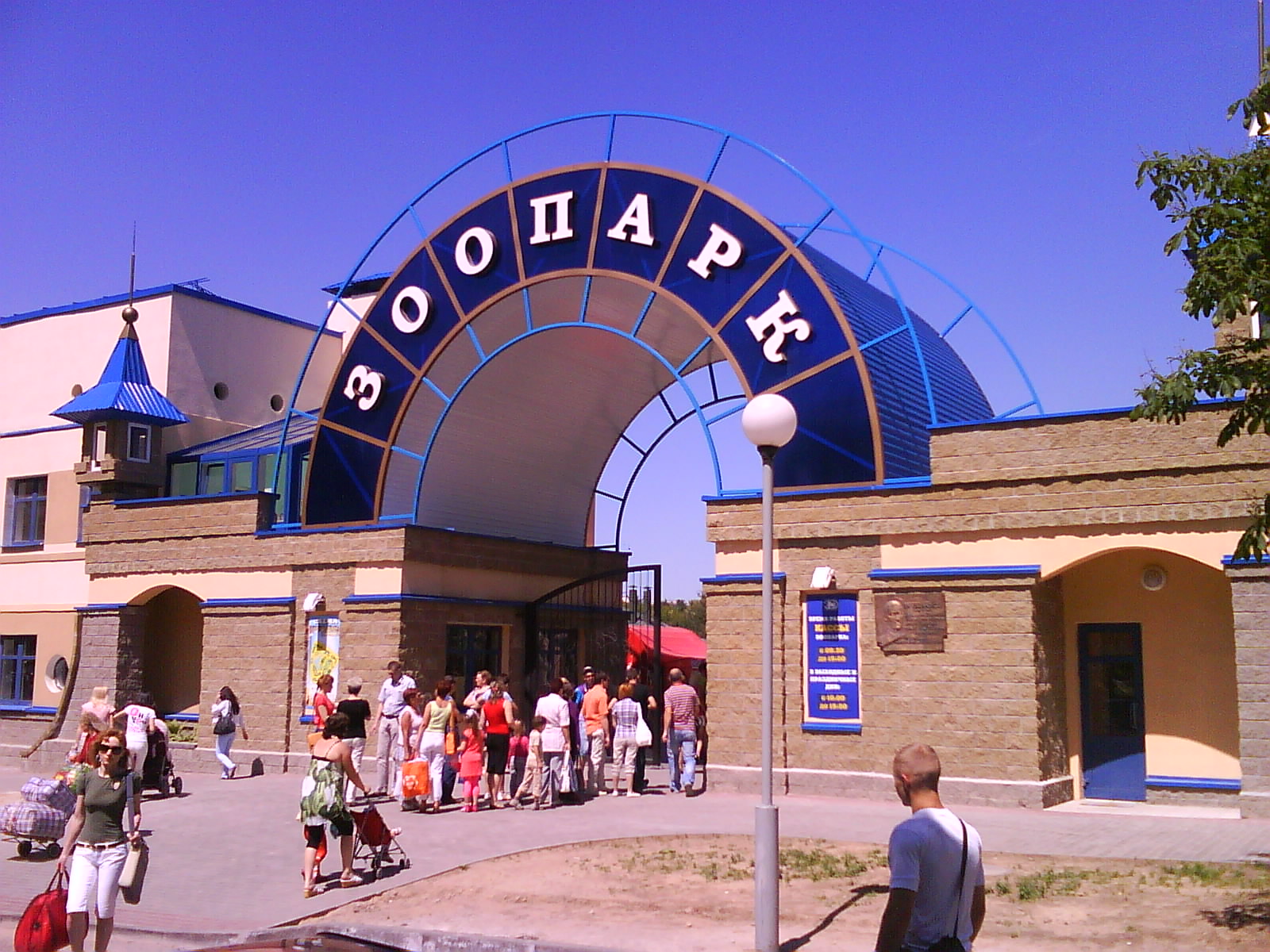
Grodno Zoo is one of those places that feels like it has always been here, quietly nestled in the heart of the city. Opened in 1927, it’s the oldest zoo in Belarus, and stepping through its gates is a little like walking into a living archive of the country’s relationship with nature. The zoo began modestly, with just a handful of animals, many of them local species, and over the decades it has grown into a space where both wildlife and visitors find a moment of connection. It’s not the largest or most modern zoo in the world, but that’s part of its charm—there’s a sense of authenticity here, a reminder that these places were once created not just for entertainment, but for education and conservation, long before those words became buzzwords.
The layout of the zoo follows the gentle contours of a small park, with winding paths that lead you past enclosures designed to mimic natural habitats as much as possible. The older sections have a slightly worn-in feel, with stone and wood structures that hint at the zoo’s long history. Some of the enclosures are simple, almost rustic, while others have been updated over the years to meet modern standards. The animals here range from the familiar—wolves, bears, and deer—to the more exotic, like Amur tigers and red pandas. There’s a particular focus on species native to Belarus and the broader region, which makes the zoo feel grounded in its surroundings rather than trying to be a global spectacle.
One of the most striking things about Grodno Zoo is how it manages to feel both lively and peaceful at the same time. On weekends, families with children fill the paths, their voices mixing with the calls of birds and the occasional roar of a lion. But even on busier days, there’s a sense of space and calm, partly because the zoo isn’t overcrowded with exhibits. The trees here are mature, their branches providing shade in the summer and a quiet backdrop in the winter when the zoo takes on a different kind of beauty. In the colder months, some of the animals grow thicker coats, and the paths are dusted with snow, turning the place into a serene, almost fairy-tale landscape.
The zoo has always played a role in conservation, though its approach has evolved over the years. In its early days, it was more about showcasing animals than protecting them, but today, it participates in breeding programs for endangered species and works to educate visitors about wildlife preservation. There’s a small but dedicated team of keepers and veterinarians who care for the animals, and their work is visible in the health and behavior of the creatures here. The zoo also collaborates with other institutions in Belarus and abroad, sharing knowledge and sometimes animals for breeding purposes. It’s not a high-profile operation, but it’s a meaningful one, especially for a country where nature reserves and protected areas are still finding their footing.
For locals, Grodno Zoo is a place of childhood memories. Many people in the city can recall visiting as kids, feeding the goats in the petting zoo, or marveling at the big cats from a safe distance. The zoo has a way of sticking in the mind, not because of any grand spectacle, but because of the small, personal moments it offers. A child’s first glimpse of a monkey, the way a peacock’s feathers catch the light, or the quiet observation of a deer grazing—these are the things that make a visit here feel intimate. The zoo has also become a gathering spot for older generations, who come to walk the paths, sit on the benches, and watch the world go by.
The architecture of the zoo is a mix of old and new, reflecting its long history. Some of the original buildings, like the entrance gate and a few of the older enclosures, have a distinctly early 20th-century feel, with arched windows and stonework that wouldn’t look out of place in a small European town. Over the years, newer structures have been added, often designed to blend in with the natural surroundings rather than stand out. There’s a certain humility to the design here, a sense that the focus should be on the animals, not the buildings. That said, the zoo isn’t frozen in time—it’s constantly adapting, whether through small renovations or larger projects aimed at improving the lives of the animals.
One of the lesser-known aspects of Grodno Zoo is its role in scientific research. While it’s not a major research institution, the zoo has contributed to studies on animal behavior, veterinary medicine, and conservation strategies. Some of the findings from these studies have been shared with other zoos and wildlife organizations, helping to improve care standards for certain species. The zoo also serves as a kind of living laboratory for students and researchers from nearby universities, who come to observe and learn. It’s a quiet but important part of the zoo’s mission, one that often goes unnoticed by casual visitors but is deeply valued by those in the field.
The atmosphere at Grodno Zoo is shaped by its location in Grodno itself. The city is one of Belarus’s oldest, with a history that stretches back over a thousand years, and it has a relaxed, almost provincial charm. The zoo sits in a green corner of the city, away from the busier streets, and it feels like a natural extension of the parks and gardens that dot Grodno. The nearby Neman River adds to the sense of tranquility, and on a warm day, you can almost forget you’re in a city at all. The zoo’s setting makes it a perfect place for a slow, unhurried visit, where you can take your time and let the experience unfold at its own pace.
Over the years, Grodno Zoo has weathered its share of challenges. Economic shifts, political changes, and even natural disasters have tested its resilience, but it has always found a way to adapt. During World War II, the zoo suffered significant damage, and many of its animals were lost. In the decades that followed, it was rebuilt, piece by piece, often with limited resources. Today, it stands as a testament to the dedication of those who have worked to keep it alive, from the early zookeepers to the modern staff who continue to care for its animals. It’s not a perfect place, but it’s a real one, with all the scars and stories that come with nearly a century of existence.
For visitors, Grodno Zoo offers a chance to step away from the rush of modern life and reconnect with something simpler. It’s a place where children can learn about animals in a hands-on way, where adults can take a break from their routines, and where nature feels just a little bit closer. The zoo doesn’t try to be anything it’s not—it’s not a theme park, not a high-tech attraction, just a quiet corner of the world where humans and animals coexist, however imperfectly. And perhaps that’s why it endures. In a time when so much of life is fast-paced and digital, there’s something deeply comforting about a place that moves at the speed of nature itself.