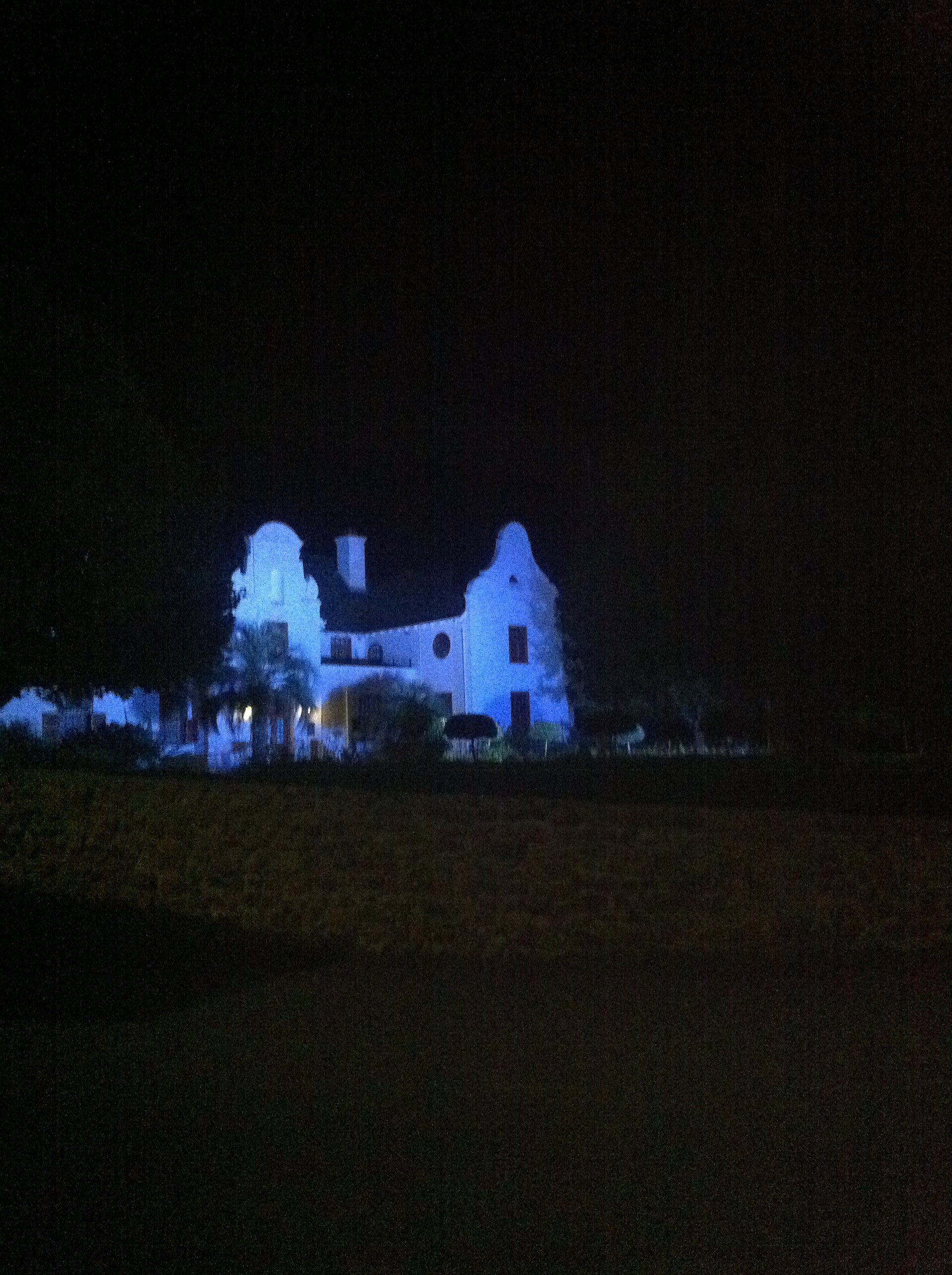
Government House in Mangaung is where history feels close. Built in the late 19th century, it served as the official residence of the president of the Orange Free State, a Boer republic that valued its independence. The building remains one of the few physical links to that era, its walls holding the weight of decisions that shaped a nation.
The architecture blends colonial and Dutch styles, adapted to the African climate. Thick white walls, high ceilings, and wide verandas were practical choices, not just design. Inside, wooden paneling and fireplaces hint at a time when governance happened in person, often over long discussions.
Its history is tied to the turbulence of the late 1800s. Completed in 1891, the house saw a brief period of stability under President Francis William Reitz. But peace didn’t last. The Anglo-Boer War erupted, and the building became part of a struggle that reshaped the region. After the British annexed the republic in 1902, the house lost its original purpose. Over time, it served other roles, but it never disappeared from the city’s fabric.
What stands out is how the building reflects the region’s cultural layers. The architecture is European in its symmetry, but the materials—deep verandas, sturdy construction—show an awareness of the local environment. If any original furnishings remain, they’d reveal the tastes of the Boer elite: a mix of European elegance and frontier practicality. The house doesn’t just represent power; it shows the lives of those who wielded it.
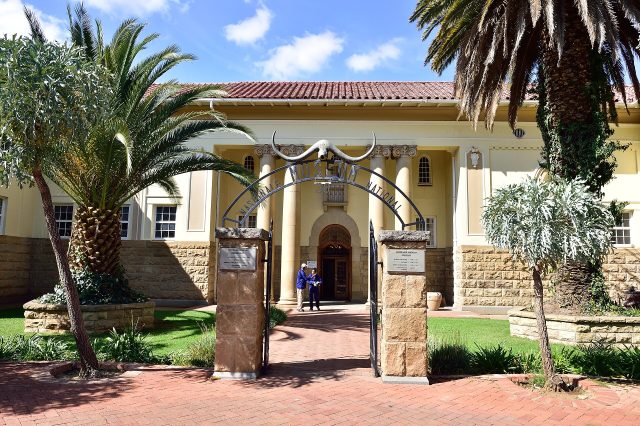
Today, it’s a museum. Visitors can explore exhibits on the Orange Free State’s history, from its founding to its absorption into the British Empire. Displays focus on everyday life—how people lived, worked, and governed. Guided tours take you through its changing roles, from presidential residence to government office to historical site. There’s no spectacle, just a quiet invitation to step into the past.
Mangaung isn’t a major tourist destination like Cape Town or Johannesburg. That’s part of its charm.
The streets around Government House are quiet, lined with buildings that have seen generations come and go. Walking here, you can almost picture the city in the late 1800s—a small but important hub where decisions were made and lives unfolded slowly. The past doesn’t feel distant.
For those interested in South African history, Government House offers something rare: a chance to explore a chapter often overshadowed by apartheid or colonial narratives. The Orange Free State was a brief experiment in self-rule, a moment when settlers tried to shape their own destiny. The building doesn’t romanticize that past, but it doesn’t ignore it either. It stands as a reminder of what was and what might have been.
After a visit, what stays with you isn’t just the architecture or the exhibits. It’s the atmosphere. The walls feel like they’ve absorbed more than time. For locals, it’s a point of pride. For outsiders, it’s a chance to see South Africa differently—not as a single story, but as a place shaped by many smaller ones. Government House doesn’t demand attention, but it rewards those who listen.