- Home
- South Africa
- Mangaung
Mangaung
South Africa · 3 places
Photo: South African Tourism from South Africa, CC BY 2.0
Mangaung
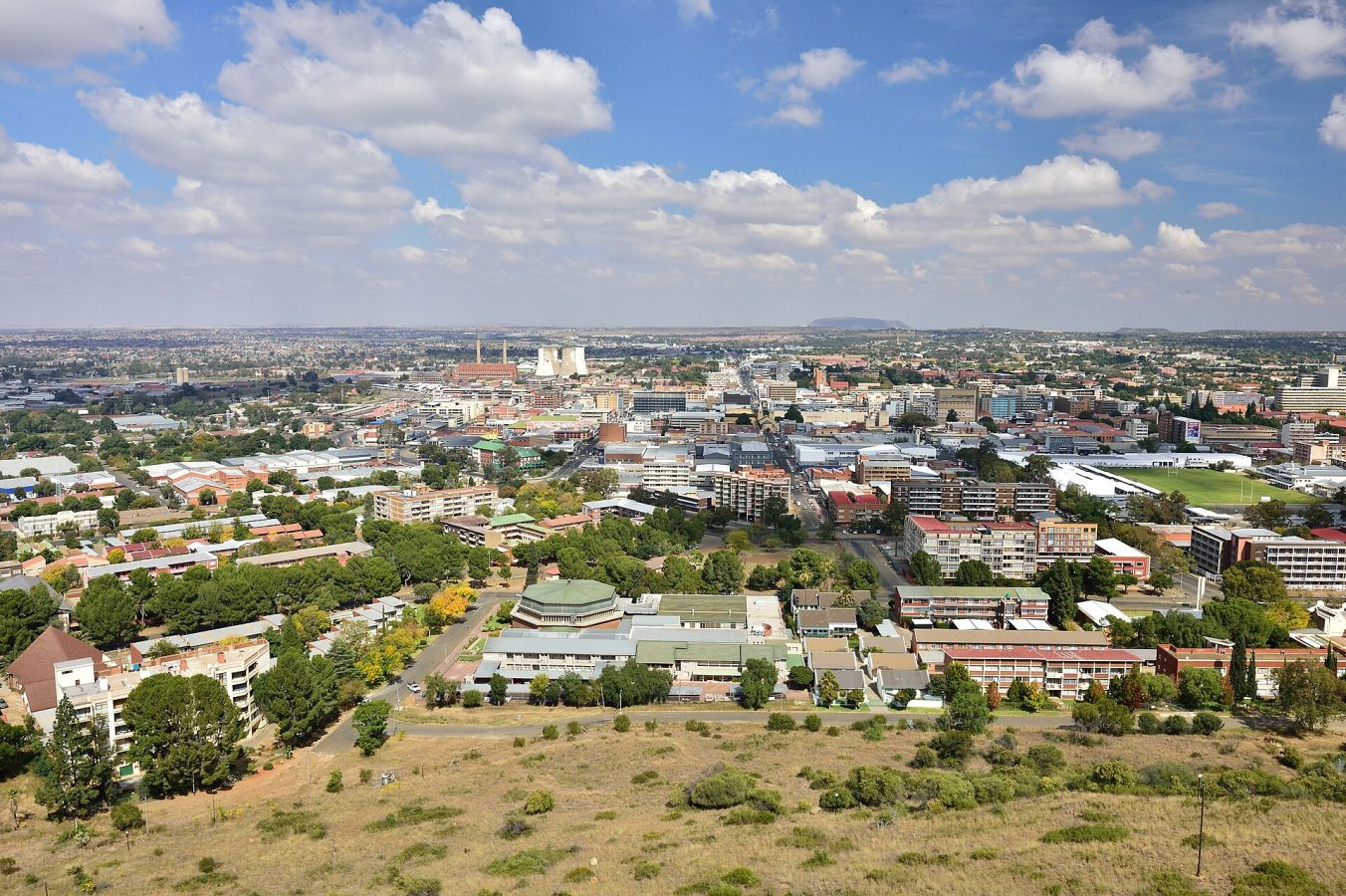
Mangaung is one of those places that rarely makes it onto the usual tourist trails. Tucked away in the heart of South Africa, it feels like a corner of the country untouched by glossy postcards and souvenir shops. There are no crowds here, just wide, quiet streets where locals stroll in the evenings, the air thick with the scent of dry grass and woodsmoke. It’s not a city built for sightseeing—it’s a place for those who want to experience the rhythm of South African life without the polish.
Founded in the late 19th century as a railway hub, Mangaung still carries the marks of its industrial past. The railroad isn’t just a way to get around; it’s part of the city’s identity. Old stations and depots, though weathered, stand as reminders of a time when trains hauled coal and wool through these parts, connecting the interior to the coast. Today, mornings bring markets with fresh vegetables and spices. Afternoons see pensioners gathering in cafés over tea. Evenings find teenagers playing soccer on dusty pitches. Small guesthouses offer rooms where hosts cook breakfast themselves and share stories about the city.
The land around Mangaung is vast and open—the Free State plains stretch endlessly, turning golden in summer and dusted with frost in winter. Farmers raise sheep and grow maize. If you venture outside the city, you might spot antelope or ostriches grazing on private land. Many come to the Modder River, where acacia trees offer shade for picnics or lazy afternoons by the water, the air filled with the hum of cicadas.
Mangaung’s history is complicated. Like much of South Africa, it was shaped by apartheid, with neighborhoods still reflecting the divisions of the past. Change comes slowly, but there’s a push toward unity visible in local museums and cultural centers, where stories of struggle and progress are told. The real heart of the city lies in its people: reserved but warm, the kind who might not wear their emotions on their sleeves but will still offer help to a stranger.
For travelers, Mangaung offers a different view of South Africa. Wander the streets. Duck into small shops selling handmade wooden carvings and beadwork. Stop by a local eatery for a bowl of bobotie—the spiced meat dish that tastes better here than in Cape Town. The city doesn’t try to impress. It exists, and that’s where its quiet charm lies.
See & Do
3 places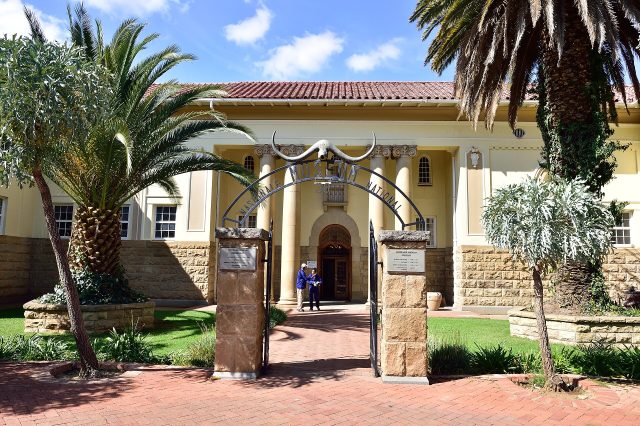
Places on the map
Marker colour follows the categoryClimate and weather
Detailed weather: Mangaung- Average temperature
- 17 °C
- Precipitation per year
- 681 mm
- Sunshine hours per day
- 8.8 h
Average air temperature
°C
23
22
20
16
12
9
8
11
16
19
21
22
Jan
Feb
Mar
Apr
May
Jun
Jul
Aug
Sep
Oct
Nov
Dec