The Chechen Cultural Centre in Mangaung is one of those places that tells a story not so much about itself, but about the people who brought it into being. Nestled in the heart of South Africa, this unassuming corner of the Free State became home to a Chechen diaspora that settled here in the late twentieth century. Fleeing the wars and instability that followed the collapse of the Soviet Union, these families found refuge in South Africa, and the centre became more than just a building—it became a symbol of cultural preservation, a place where language, traditions, and identity could endure thousands of miles from the Caucasus.
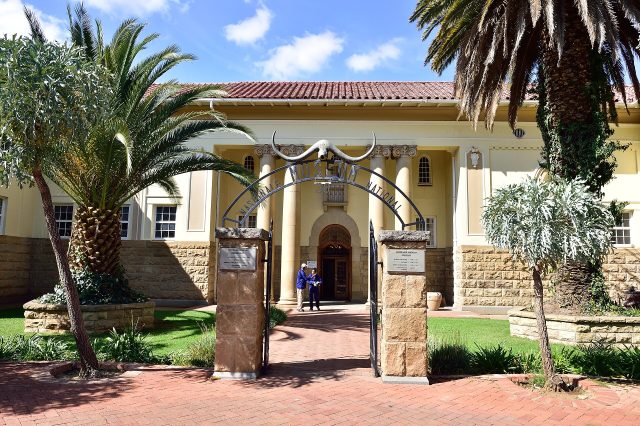
The centre itself is modest, its architecture functional rather than grand. There are no ornate facades or towering monuments, just a space that hums with life, shaped by the customs and rhythms of a community determined to keep its heritage alive. Inside, the walls are adorned with traditional Chechen patterns, photographs of mountain landscapes, and shelves of books in the Chechen language. It’s a place where children of the diaspora learn their mother tongue, where elders gather to celebrate festivals as they would have back home, and where the past feels just a little closer.
The story of the Chechen community in South Africa is tied to the turbulent 1990s, when the breakup of the Soviet Union and the ensuing conflicts forced many to leave their homeland. Some found their way to South Africa, where a small Muslim diaspora already existed, and Mangaung became one of the cities that welcomed them. Over time, a tight-knit community formed, one that maintained its connection to Chechnya despite the distance. The centre grew out of this need to stay rooted, to pass down stories, and to create a sense of belonging in a new land.
For Mangaung, a city better known for its industrial and transport links, the centre offers something unexpected—a glimpse into a culture that most South Africans would rarely encounter. It’s not just a place for Chechens; it’s a bridge between worlds. Locals and visitors from other parts of the country come here for festivals, exhibitions, and talks, where Chechen traditions are presented not as exotic curiosities, but as part of the rich tapestry of South African society. The centre doesn’t just preserve culture; it shares it, making it accessible to anyone willing to listen.
Religious and national holidays hold a special place in the life of the centre. Eid al-Adha, Eid al-Fitr, and Chechen Language Day are celebrated with warmth and authenticity, though without the pomp of official ceremonies. Guests are welcomed with traditional dishes—lentil soup, meat-filled pastries, halva—and the air fills with Chechen music and dance. For many in the diaspora, these gatherings are a rare chance to reconnect with their roots, to feel part of a larger family scattered across the globe.
The building itself is unassuming, its design practical rather than striking. There are no grand arches or intricate carvings, just a space that feels lived-in, where the atmosphere matters more than the architecture. The centre hosts history lessons, craft workshops, and meetings with visitors from other countries. It’s not a museum, frozen in time, but a living, evolving place that reflects the needs and spirit of its community.
For those curious about migration, cultural preservation, or simply the quiet resilience of people far from home, the Chechen Cultural Centre offers an unexpected perspective. There’s no tourist hustle here, no scripted tours—just the genuine stories of people who have built a life in a new country while holding onto the old. You might spend an hour or an afternoon listening to tales of mountain villages, of journeys across continents, of the challenges and rewards of keeping a culture alive in unfamiliar surroundings.
Mangaung isn’t the first place that comes to mind when thinking of South Africa’s cultural diversity. Yet it’s in cities like this, away from the well-trodden tourist paths, that you see how the country is shaped by the people who call it home. The Chechen Cultural Centre isn’t just a dot on a map; it’s a testament to the way culture travels with those who carry it. It adapts, it endures, and it remains true to itself, no matter where it lands.