Givat Ram is one of those Jerusalem neighborhoods that rarely makes it onto the typical tourist itinerary, yet it’s where the country’s administrative and intellectual pulse beats strongest. The Government Campus here doesn’t resemble the grand, fortress-like government complexes found in other capitals. There are no towering monuments or heavily guarded gates—just a quiet, working atmosphere where history and modernity coexist almost unnoticed.
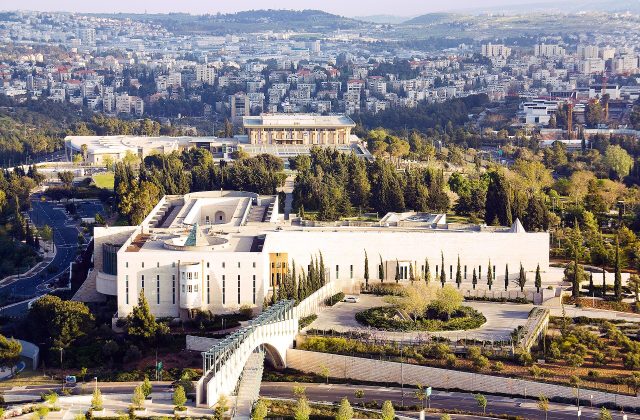
The campus took shape in the mid-20th century, when the young state of Israel needed a home for its most essential institutions. Givat Ram, perched on a hill just outside the Old City, offered the perfect solution. Its distance from Jerusalem’s historic core meant no constraints from ancient architecture, while its open spaces allowed for ambitious construction. The Knesset, Supreme Court, and National Library were among the first to settle here in the 1950s and 60s, laying the foundation for Israel’s legal and cultural identity. Over time, ministries, the Bank of Israel, and other key agencies joined them, turning the campus into the country’s operational nerve center.
The architecture reflects the era in which it was built—functional rather than ornate, yet with a quiet elegance. The Knesset building, designed by Josef Klarwein and completed in 1966, is a study in restrained modernism: a rectangular block with sturdy columns framing the entrance. Its austere exterior contrasts sharply with the lavish interiors, where mosaics, stained glass, and artworks evoke centuries of Jewish history. Nearby, the Supreme Court, inaugurated in 1992, marks a different chapter in Israel’s development. Designed by Ada Karmi-Melamede and Ram Karmi, the building embodies transparency and openness—qualities central to the judiciary. Light-filled atriums, reflective pools, and open courtyards create a sense of accessibility, a deliberate departure from the imposing courthouses of the past.
The National Library of Israel, another cornerstone of the campus, is more than just a repository of books. Founded in 1892 as part of the Hebrew University, it moved to Givat Ram in 1960 and now holds millions of volumes in dozens of languages, along with rare manuscripts, maps, and archival documents. The library’s brutalist concrete structure might look like a fortress from the outside, but inside, it’s a welcoming space for researchers and casual visitors alike. Exhibitions, lectures, and digital archives make its treasures accessible to anyone curious enough to explore them.
What makes Givat Ram unusual is its lack of pretense. There are no flashy signs, souvenir stands, or crowds of tourists—just the quiet hum of daily work. The campus is open to the public, and wandering its paths offers a rare glimpse into how the country functions. You can stroll past the Knesset (tours are available by appointment), browse exhibitions at the National Library, or simply sit on a bench under the trees, watching the unhurried rhythm of life here. It’s a place where laws are debated, rulings are handed down, and history is preserved, all within a few minutes’ walk of one another.
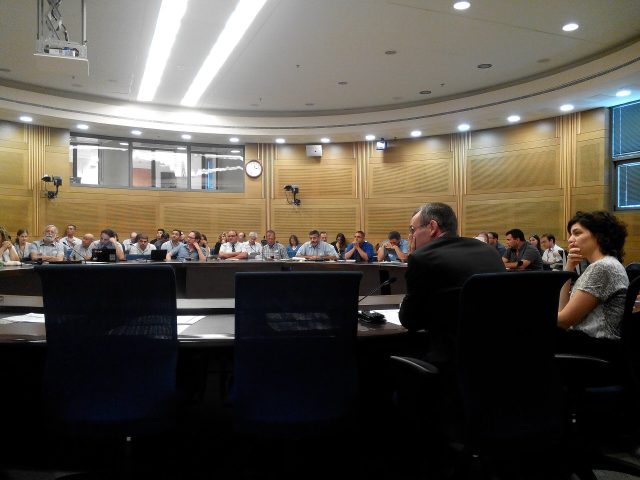
Over the decades, the campus has evolved, with new buildings rising alongside the old. Yet the atmosphere remains unchanged: a place where the machinery of government operates in plain sight. You might spot Knesset members hurrying to a session, Supreme Court justices deep in discussion, or researchers poring over ancient texts in the library. During lunch breaks, ministry employees gather in the shaded courtyards, sipping coffee and chatting. It’s an ordinary scene, but one that underscores the campus’s role as the living heart of the state.
Givat Ram isn’t a place that tries to impress. There are no grand monuments or palatial halls, just the understated presence of institutions that shape the country’s future. It’s where the past and present intersect—not through dramatic displays, but through the quiet, ongoing work of governance. For those who want to understand Israel beyond its ancient stones or coastal cities, this is where the real story unfolds. It’s a reminder that a nation isn’t just built on history, but on the people who show up every day to keep it moving forward.