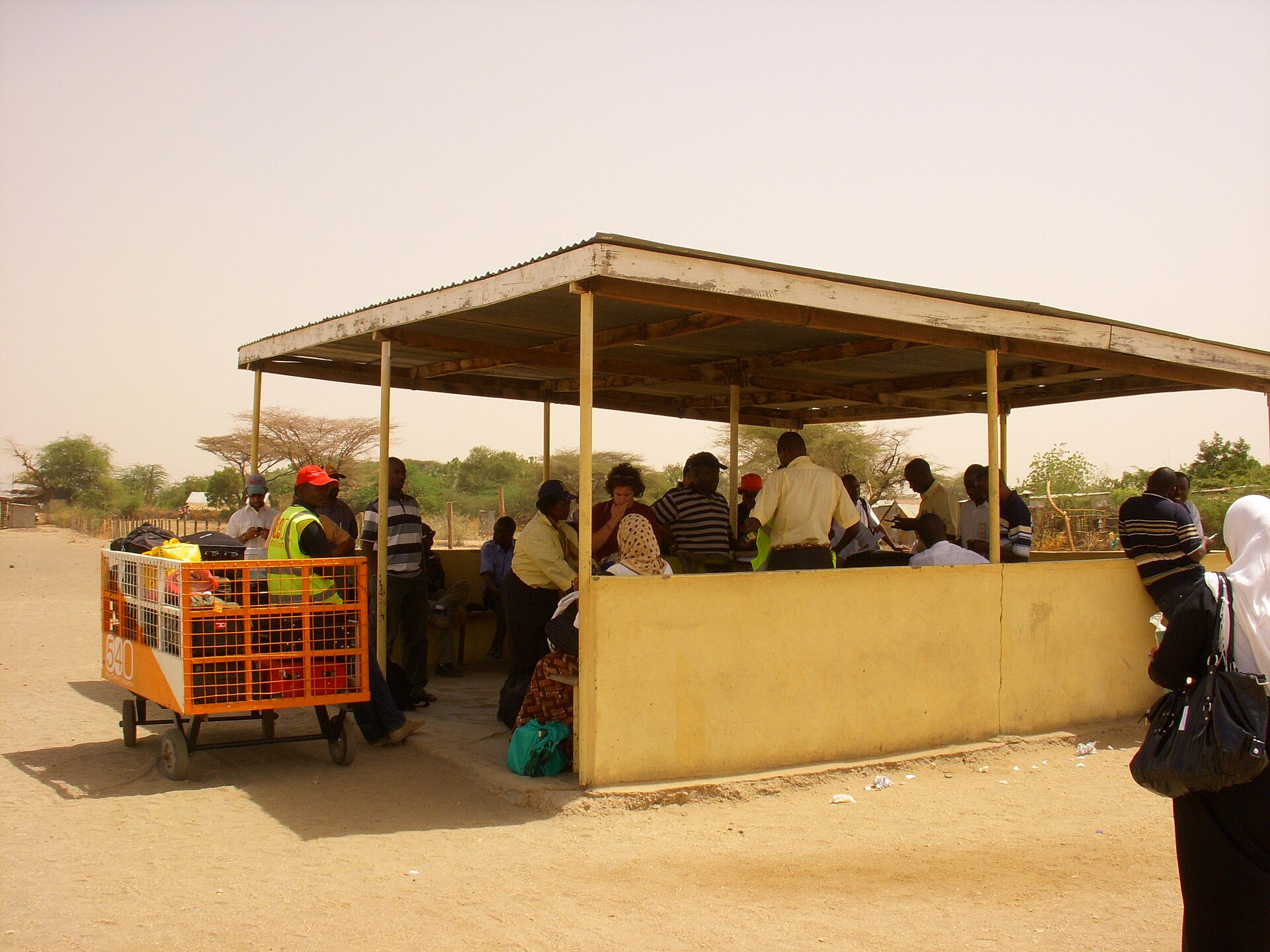
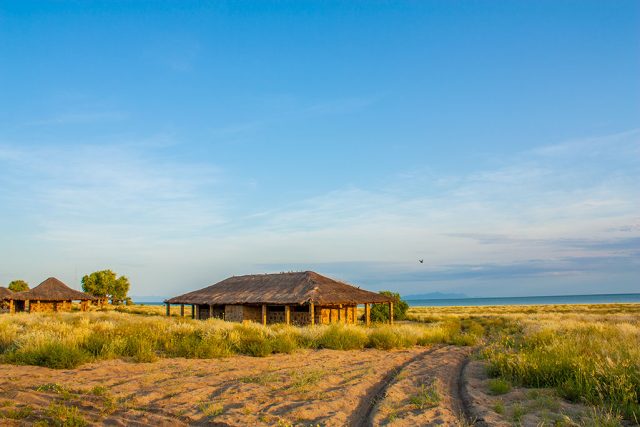
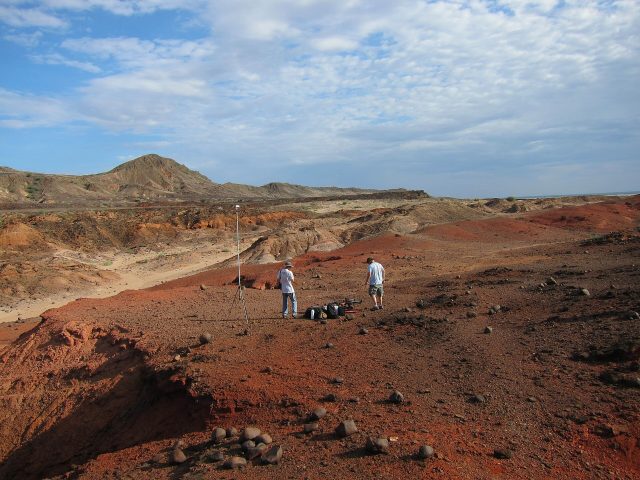
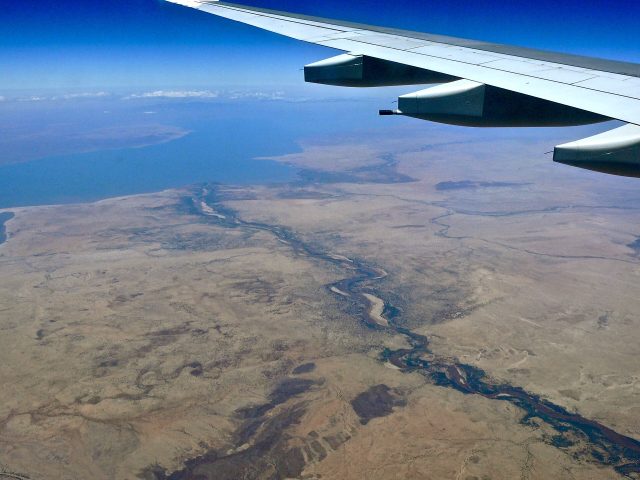
Lodwar Hospital sits quietly on the edge of town, where the vast plains of northern Kenya stretch endlessly toward the horizon. There are no traffic jams here, no hurried footsteps on paved sidewalks—just the slow, deliberate rhythm of life shaped by the desert and the traditions of pastoralist communities. The air carries the scent of dry earth and woodsmoke, and in the distance, herds of goats and camels move across the landscape like fleeting shadows. This is a place where time feels different, where the urgency of modern cities gives way to the patient pace of survival.
The hospital wasn’t always here. It began as a small mission in the mid-20th century, when Lodwar was little more than a remote outpost under British colonial rule. The Turkana people, who have called this land home for generations, lived by their own customs and were wary of outsiders. The first doctors worked out of tents, treating illnesses with whatever supplies could be carried in by camel. Over the decades, the mission grew into a proper hospital, its walls now standing as a testament to persistence in a region where medical care remains a rare privilege. For many, the journey to reach it takes days, sometimes on foot, across scorched earth and rocky paths.
The buildings themselves are unassuming—low, sturdy structures made of sandstone and concrete, designed to withstand the relentless heat. The roofs are flat, the windows narrow, a practical response to the climate. Inside, the wards are spacious, with high ceilings that allow the air to circulate, offering a small respite from the midday sun. There’s no air conditioning, no modern luxuries, but the simplicity of the place feels intentional, almost comforting. Outside, a sparse garden of acacia trees and cacti provides shade, and the scent of eucalyptus lingers in the mornings, a natural remedy for coughs and colds.
Lodwar Hospital is more than just a medical facility. It’s the heart of a community that has grown around it—a cluster of small shops, tea stalls, and a school where children’s laughter mixes with the clatter of cups and the murmur of conversation. For the Turkana, who have long relied on traditional healers, the hospital represents a bridge between old ways and new. The doctors here know their patients by name, not just by their ailments. They treat malaria, tuberculosis, and severe dehydration, conditions that have long been eradicated in wealthier parts of the world but remain a daily reality here. The equipment is often outdated, supplies are rationed, and yet the work done within these walls is nothing short of vital.
The staff is a mix of local Kenyan doctors and international volunteers, each bringing their own expertise and perspective. For many, working here is more than a job—it’s a calling. They teach mothers how to feed their children, explain the importance of clean water, and sometimes simply listen to those who have no one else to talk to. The hospital is a place where medicine is as much about human connection as it is about treatment. The challenges are immense, but so is the sense of purpose. Every patient who walks through the doors carries a story, and every recovery is a small victory in a place where survival is never guaranteed.
Beyond the hospital gates, life unfolds in its own quiet way. In the mornings, vendors gather with baskets of fresh vegetables, flatbreads, and steaming cups of chai. Children play in the dust, their voices rising and falling with the rhythm of their games. Elders sit on wooden benches, watching the world go by with the patience of those who have seen many seasons come and go. During the dry months, herders bring their livestock to drink from the hospital’s water supply, filling the air with the scent of grass, manure, and woodsmoke. There are no tourists here, no souvenir stands or guided tours. This is not the Kenya of glossy brochures, but the Kenya that exists beyond them—a place of resilience, where every day is a negotiation with the land and the elements.
For those who do find their way here, Lodwar Hospital offers an unexpected glimpse into a side of the country that few outsiders ever see. It’s not a destination in the traditional sense, but it leaves an impression that lingers long after the visit. There are no grand hotels or fine dining restaurants, no carefully curated experiences. Instead, there is something far more real: the quiet dignity of people who face hardship with grace, the unspoken bond between those who heal and those who seek healing, and the stubborn hope that persists even in the harshest of conditions.
The hospital stands as a reminder that medicine, at its core, is about more than technology or advanced treatments. It’s about showing up, day after day, in a place where the need is great and the resources are few. It’s about the small acts of kindness that keep a community going—the shared cup of tea, the extra moment spent explaining a diagnosis, the hand held during a difficult procedure. In Lodwar, these things matter more than any modern convenience. And perhaps that’s why, despite everything, the place feels like home.