Bojnice’s park sits in the center of a small Slovak town, where the air moves slower. The paths are narrow, the trees old, and the castle hill rises just beyond the last row of lindens. No crowds, no tour buses—just the sound of leaves and the occasional creak of a wooden bench.
These grounds once belonged to the families who built Bojnice Castle. They planted the trees, laid the stone paths, and shaped the land to mirror the castle’s silhouette. Today, the park still feels like a private garden, though anyone can walk here. The past lingers in the curve of a path or the way a bench faces the castle walls.
The design is simple. No statues, no fountains with dramatic jets—just a pond ringed by willows, a few worn steps leading to a viewpoint, and paths that fork without warning. The stone underfoot is smooth from decades of footsteps. In the center, the pond reflects the sky and the branches above, changing with the light.
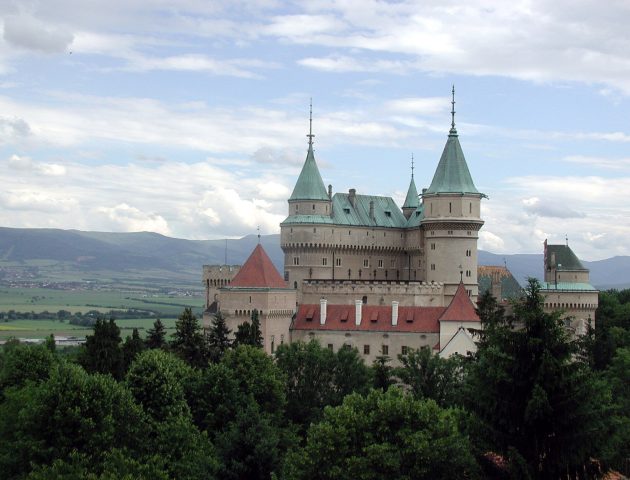
The castle and the park belong to each other. From the park’s highest point, the castle looks like a storybook illustration—especially at dawn, when the first light hits the towers, or at dusk, when the floodlights soften the stone. Visitors often come for the view but stay because the park doesn’t rush them.
The park is always open. No gates, no guards, no closing time. You can walk here at sunrise, when the mist still clings to the grass, or at midnight, when the only sounds are your own steps and the distant hoot of an owl.
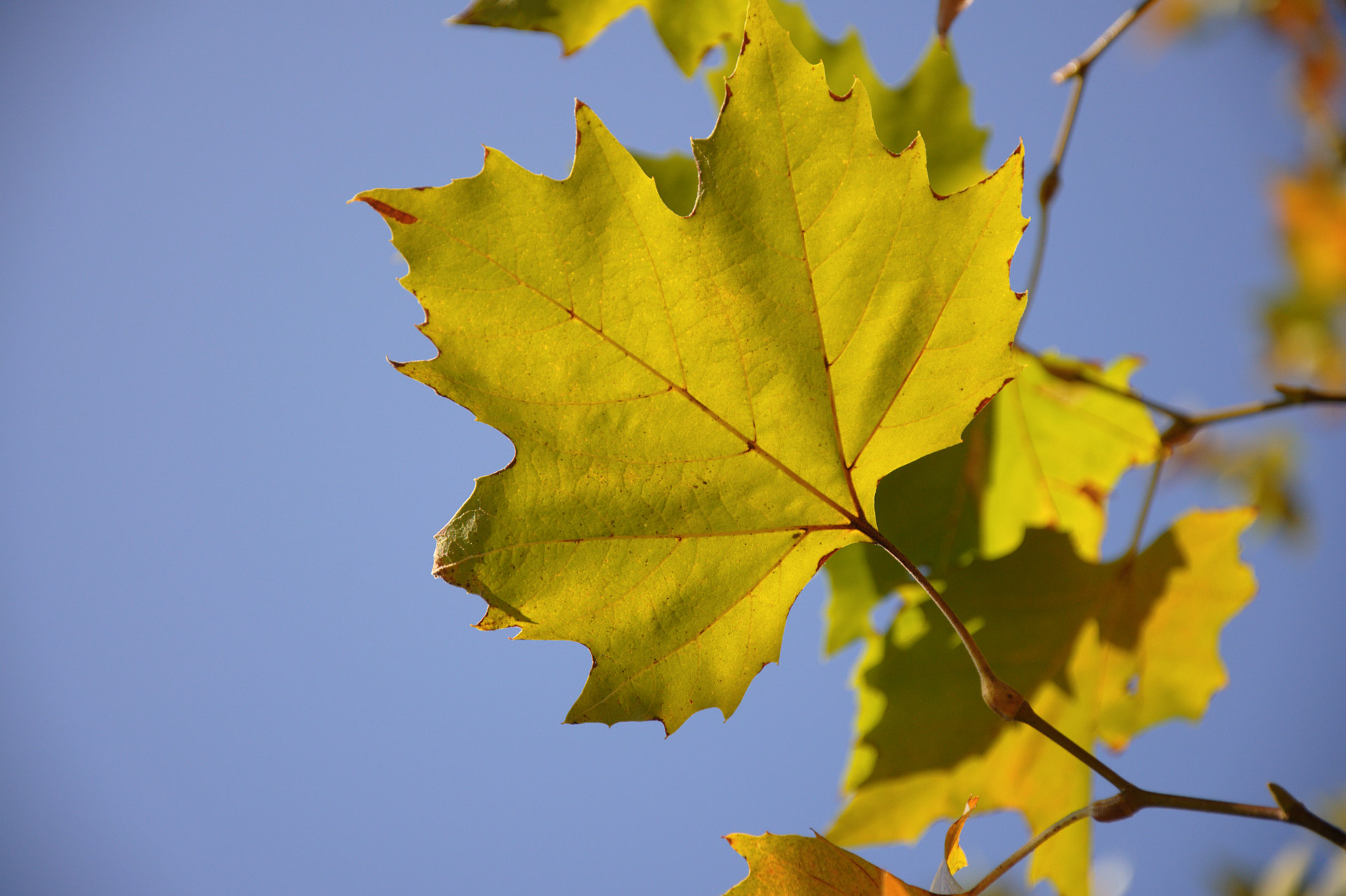
In summer, children run along the paths, and the air smells of cut grass. In autumn, the leaves turn gold and red, and the ground crackles underfoot. Winter strips the trees bare, leaving the castle framed against the sky like a painting.
Locals use the park every day. They walk dogs, push strollers, or sit on benches with coffee. In warmer months, small events pop up—concerts, art sales, or craft fairs—but the park doesn’t need them. Even when nothing’s happening, it feels alive.
The park isn’t big. You can walk its edges in an hour, but most people don’t. They stop by the pond, sit under the willows, or climb the old stone steps to the viewpoint. Just when you think you’ve seen everything, you notice a new path, a hidden bench, or a patch of sunlight on the grass.
The park doesn’t ask for much. No tickets, no guided tours, no rules beyond basic courtesy. It’s just trees, paths, and the castle in the distance. Whether you stay for five minutes or five hours, it offers the same thing: a place to stop, to look around, and to let the day unfold at its own pace.