Bojnice Cave feels like a place where time moves differently. Tucked into the slopes of the Strážov Mountains near the small Slovak town of Bojnice, it’s a world of winding passages and vast chambers carved by water and stone over millions of years. The entrance lies halfway up a hillside, and as you step inside, the air grows cooler, the light dims, and the usual rush of the outside world fades into something quieter, deeper. The cave doesn’t just show you its beauty—it makes you slow down to take it in.
Though it opened to the public in the mid-20th century, its history stretches much further back. Locals stumbled upon the entrance in the 19th century, but for decades, it remained largely unexplored. It wasn’t until the 1920s that speleologists began mapping its labyrinths in earnest. Today, visitors can walk about a mile and a half of well-lit paths, but that’s only a fraction of the cave’s full extent—over five miles of tunnels and chambers remain hidden from view, known only to researchers and the occasional bat.
The cave is a gallery of natural sculpture. Stalactites hang like frozen waterfalls, while stalagmites rise from the floor in jagged spires. Some formations have earned names that hint at their grandeur: the Hall of Giants, where massive columns seem to hold up the ceiling like the pillars of an ancient temple, or the Lake Hall, where still water mirrors the rock above. Then there’s the Concert Hall, where the acoustics are so clear that musicians sometimes perform here, their notes ringing through the chambers as if the cave itself is listening.
The air inside stays at a steady nine degrees Celsius year-round, damp and cool even in summer. The humidity makes the air feel thick, almost alive, and the lighting is carefully placed to highlight the shapes of the rock without overpowering them. Shadows shift as you move, making the walls seem to breathe. It’s easy to forget you’re underground until you turn a corner and find yourself facing a formation that looks like something from another world.
Beyond its beauty, the cave holds clues to the past. Archaeologists have found traces of prehistoric humans and the bones of long-extinct animals, including cave bears. The walls bear marks of those who once sheltered here, and the deeper chambers may still hide secrets waiting to be uncovered. Scientists continue to study the cave, and it’s possible that future discoveries will rewrite what we know about the region’s distant history.
For many, visiting Bojnice Cave is more than just sightseeing. It’s a chance to step away from the noise of modern life and into a place where nature has been at work for millennia. There’s no rush here, no distractions—just the quiet weight of stone and time. When you finally emerge back into daylight, it’s hard not to wonder what else lies beneath the surface, unseen and unknown.
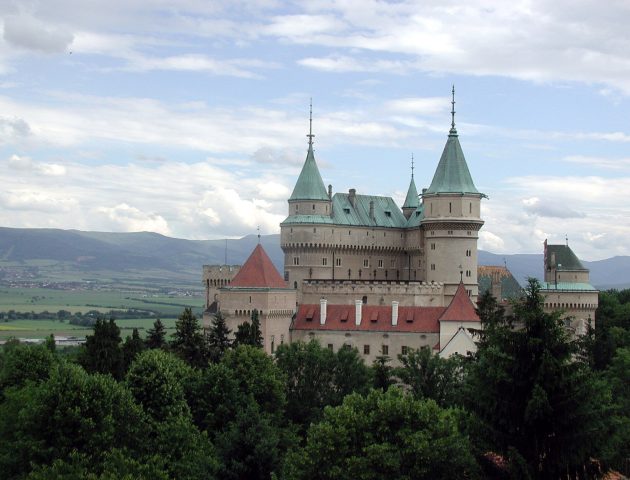
If you have time after exploring the cave, the nearby Bojnice Castle offers another glimpse into the past. The castle’s fairy-tale towers and sprawling grounds make a striking contrast to the cave’s hidden depths. The surrounding Strážov Mountains are also worth exploring, with trails winding through forests and over ridges. But even if you only visit the cave, the experience stays with you. Some places leave a mark not because they’re loud or flashy, but because they remind you how much of the world remains untouched by time.