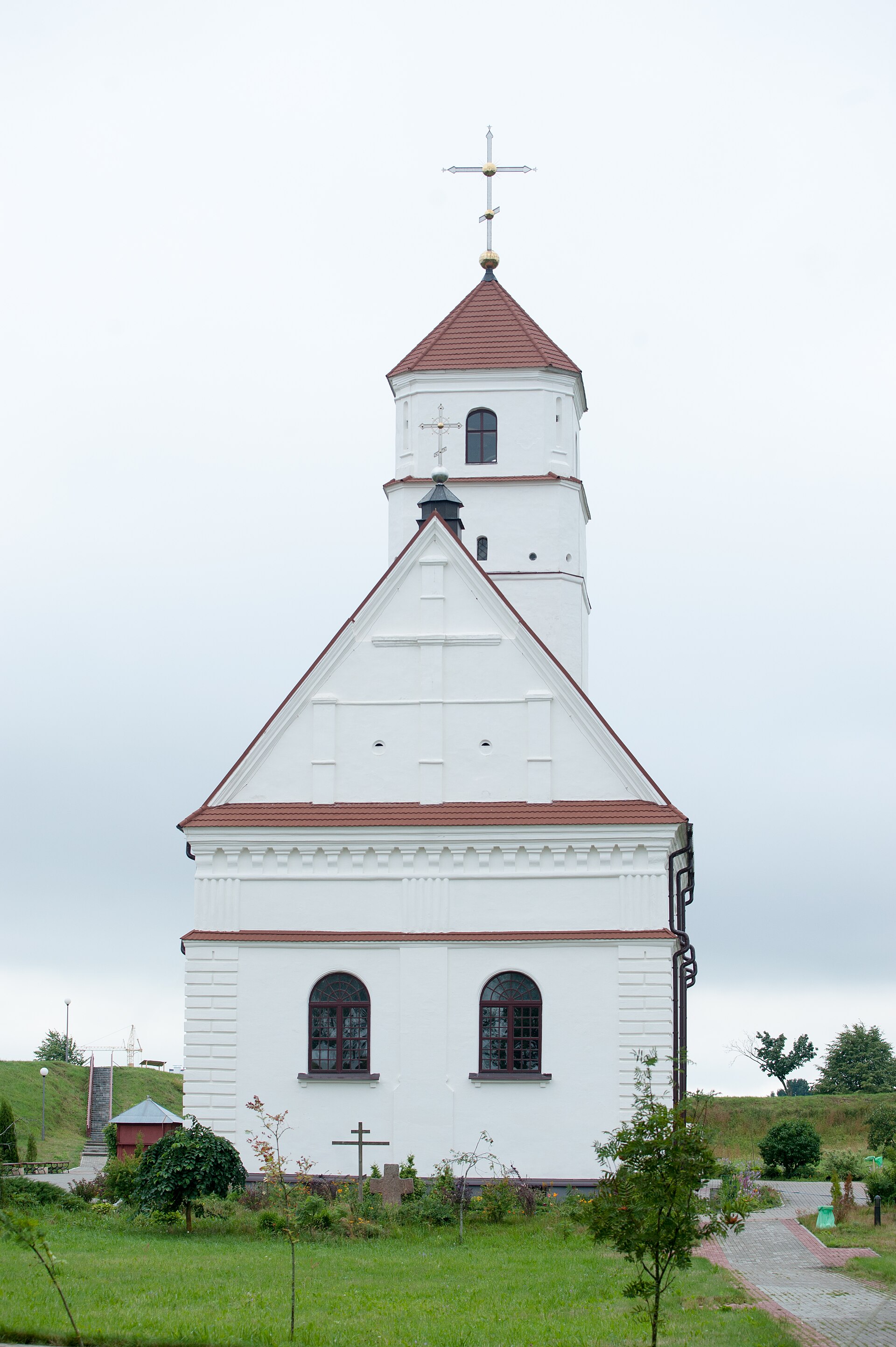
The Church of the Transfiguration in Bojnice is one of those quiet places where the past lingers in the air like the scent of old wood and candle wax. Tucked away in a small Slovak town, it doesn’t draw crowds or flashy tourist signs—just a steady presence on a gentle rise, its pointed spire cutting a clean line against the sky. The church has stood here for centuries, watching the town grow around it, its stones holding the weight of time in a way that feels almost tangible.
Bojnice itself is a place where history settles into the streets naturally, without fanfare. The church fits into this rhythm, surrounded by low houses and ancient trees that have seen generations come and go. Its architecture tells a story of adaptation—each era leaving its mark while respecting what came before. The earliest records mention the church in the 13th century, though little remains of that original structure. Over time, Gothic arches gave way to Renaissance touches, and later, Baroque flourishes softened its lines. Yet the core of the building, its sense of endurance, never changed.
Inside, the space feels both grand and intimate. The nave is supported by sturdy columns, their capitals worn smooth by centuries of touch, real or imagined. The vaulted ceilings draw the eye upward, their ribs meeting in precise geometric patterns that speak of medieval craftsmanship. The altar, carved in the late Gothic style, is a masterpiece of detail—figures of saints frozen in quiet devotion, their expressions still vivid despite the passage of time. The wood, darkened by age, bears the marks of hands that shaped it with care, each curve and fold a testament to patience and skill.
The church has always been more than just a place of worship. In the Middle Ages, it served as a gathering point for the community, where deals were struck and disputes settled under the watchful eyes of saints. During wars and invasions, its thick walls offered shelter, and after fires or raids, the townspeople would pool their resources to restore it. The most significant rebuilding came after a 17th-century fire, when the church took on many of its current features—a blend of Baroque ornamentation and the unyielding solidity of its medieval roots.
Today, the Church of the Transfiguration remains an active part of Bojnice’s life. On Sundays, the air fills with the sound of hymns and the deep, resonant notes of a 19th-century organ. The light filtering through the stained-glass windows casts a soft glow over the worn pews, where generations of families have sat in quiet reflection. There’s no rush here, no sense of performance—just the slow, steady rhythm of a place that has seen countless lives unfold within its walls.
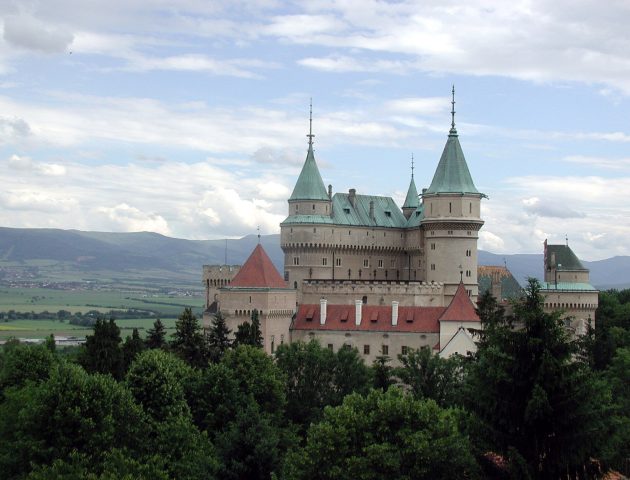
Outside, a small park wraps around the church, offering a place to sit and absorb the surroundings. The trees are old, their branches forming a canopy that muffles the sounds of the town below. From here, Bojnice Castle looms in the distance, its towers and battlements a reminder of the region’s feudal past. Together, the church and castle create a scene that feels plucked from another era—one of knights, pilgrims, and the quiet routines of medieval life.
If you climb the hill behind the church, the view opens up to the valley below. The landscape hasn’t changed much over the centuries—rolling fields, clusters of houses, and patches of forest stretching toward the horizon. It’s easy to imagine the same view greeting the eyes of those who built the church, who prayed here, who sought refuge within its walls. There’s a comfort in that continuity, in knowing that some things endure.
Visiting the Church of the Transfiguration isn’t about ticking off a landmark or snapping a quick photo. It’s about stepping into a slower, quieter way of experiencing history—one where the past isn’t just remembered but felt. The creak of the floorboards, the cool touch of stone, the way the light slants through the windows—all of it invites you to pause and consider the lives that have passed through this place. In a world that moves too fast, such moments of stillness are rare. And perhaps that’s why places like this matter so much.