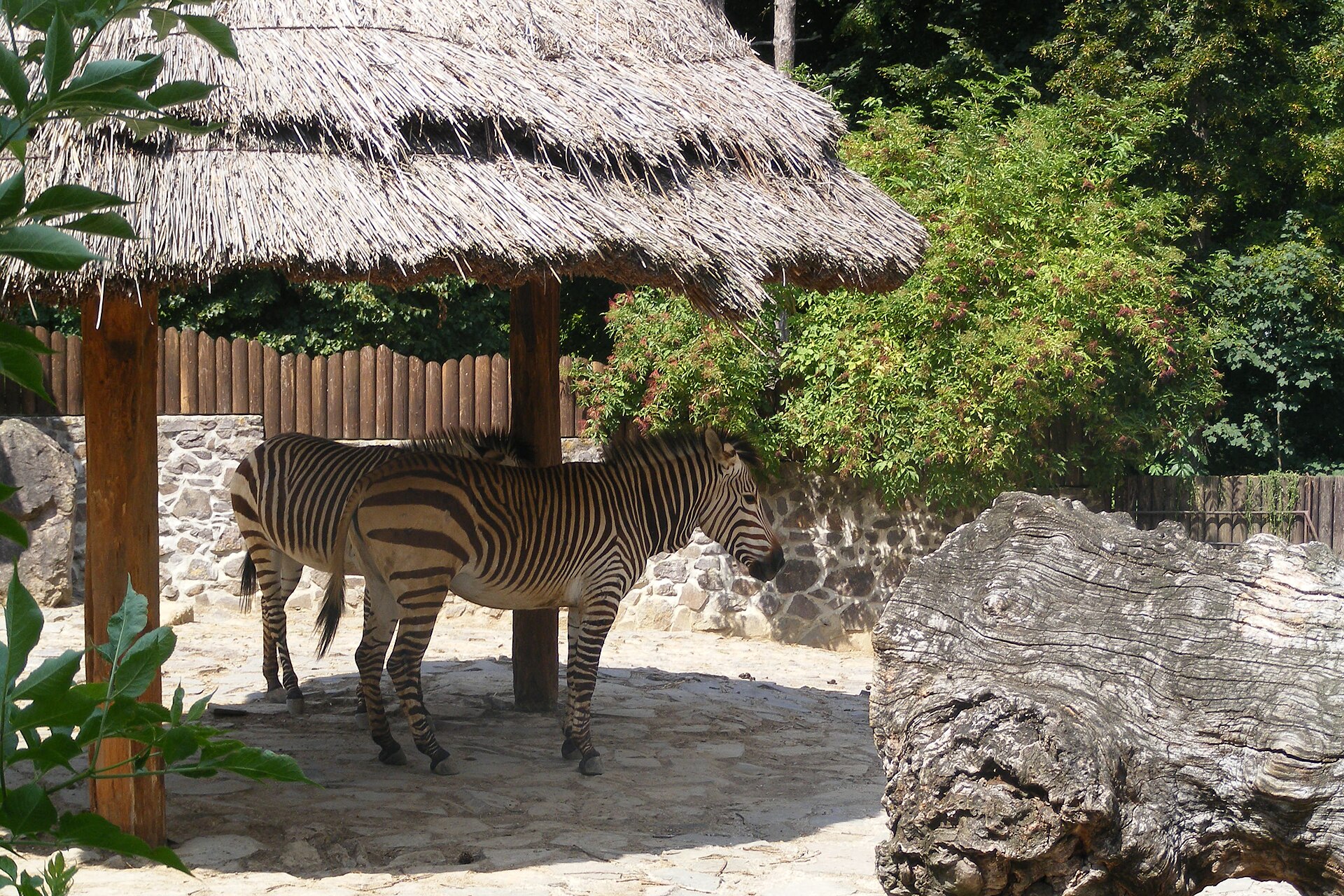
Bojnice Zoo feels less like a traditional animal park and more like a quiet corner of the wild tucked into the hills outside a small Slovak town. The moment you step inside, the dense forests and rolling landscape make it easy to forget you’re near civilization at all. Unlike urban zoos crammed into concrete spaces, this one spreads out naturally, with enclosures designed to blend into the terrain rather than dominate it. The air carries the scent of pine and earth, and the only sounds breaking the stillness are the occasional call of a bird or the distant roar of a lion. It’s the kind of place where you can spend hours wandering shaded paths, watching animals go about their day without the usual crowds or noise.
The zoo’s origins trace back to the mid-20th century, when the idea was to create a space where animals could live in conditions as close to their natural habitats as possible. Over the decades, it grew into one of Slovakia’s largest zoos, home not just to local species but to rare and endangered animals from around the world. Conservation is at the heart of its work, with breeding programs and rehabilitation efforts for animals that have been injured or displaced. It’s not just a place to see wildlife—it’s a place where serious work happens to protect it.
What makes Bojnice Zoo stand out is how seamlessly it fits into its surroundings. Instead of cages and bars, the enclosures use natural barriers like ravines, ponds, and rock formations. The design prioritizes the animals’ comfort, giving them space to move, hide, or rest while still allowing visitors to observe them without intrusion. The big cats—lions, tigers, and bears—have particularly impressive areas, with trees, water features, and rocky outcrops that mimic their wild environments. Watching a tiger pace along a ridge or a bear nap in the shade feels less like a spectacle and more like a glimpse into their real lives.
The people who work here play a big role in shaping the experience. Staff often lead tours and talks, sharing stories about the animals—their habits, their challenges, and the threats they face in the wild. For kids, there are hands-on programs where they can learn about animal care, feeding routines, and even veterinary basics. These interactions leave a lasting impression, turning a simple visit into something more meaningful. Adults, too, find themselves drawn into the stories, whether it’s hearing about a rescued eagle’s recovery or watching a zookeeper prepare a meal for a picky primate.
One of the most fascinating sections is the terrarium, where reptiles and amphibians live in carefully recreated habitats. Snakes, lizards, and tortoises move through spaces designed to mimic their natural environments, and even crocodiles have room to lounge under heat lamps. Bird lovers will appreciate the large aviary, where parrots, pelicans, and other species fly freely overhead. Then there’s the primate house, where everything from tiny monkeys to imposing gorillas can be observed for hours—each with their own personalities and social dynamics.
For those who want a closer connection, the petting zoo offers a chance to feed and interact with friendly animals like goats, sheep, and donkeys. It’s a simple pleasure, but one that resonates, especially with children. There’s something about hand-feeding a goat or scratching a donkey’s ears that makes the visit feel personal. Even adults often find themselves lingering here, struck by how easily the animals accept human presence. It’s a reminder of the bond between people and animals, one that’s easy to forget in the rush of daily life.
The zoo changes with the seasons, each bringing its own rhythm. Spring is a time of renewal, with newborn animals and birds building nests. Summer turns the grounds into a lush, green retreat, perfect for long walks under the canopy of trees. In autumn, the surrounding forests blaze with color, and the animals grow more active as they prepare for winter. Snow transforms the zoo in winter, coating the enclosures and trees in white, while animals like wolves and bears seem perfectly at home in the cold. Each season offers a different reason to return.
There’s a reason people keep coming back to Bojnice Zoo. It’s not just the animals, though they’re certainly the main draw. It’s the sense of calm, the way the place feels removed from the chaos of modern life. Families come for a day out, friends meet for a leisurely stroll, and couples wander the paths hand in hand. Whether you’re five or fifty, there’s something here for you—whether it’s the thrill of seeing a rare species, the beauty of the landscape, or just the chance to slow down and breathe.
More than just a tourist attraction, Bojnice Zoo is woven into the life of the town and its people. Locals visit regularly, and for travelers, it’s one of those places that makes a trip to Slovakia feel special. There’s no pretension here, no over-the-top commercialism—just a genuine commitment to the animals and a quiet determination to protect them for the future. That sincerity is what makes it one of the country’s most beloved spots.