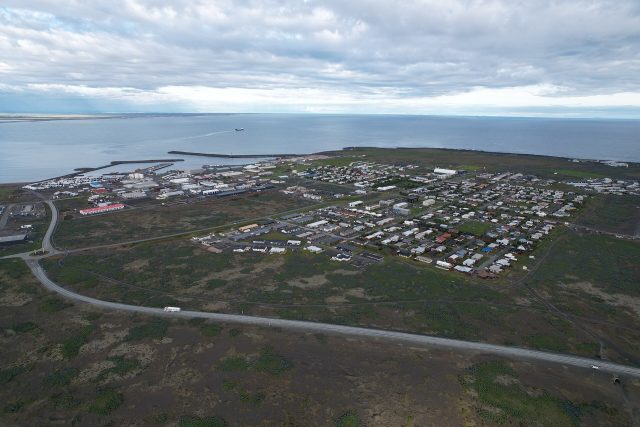
Reykjadalur Hot Springs is one of those places in Iceland where nature speaks for itself, without needing grand descriptions or tourist signs to prove its worth. Tucked away near the small fishing village of Þorlákshöfn on the island’s southern coast, it lies far from the well-trodden paths leading to the Blue Lagoon or the geysers of the south. There are no crowds here, no souvenir shops, no neatly paved parking lots—just the raw, unfiltered presence of geothermal waters seeping through the earth, set against a landscape that feels untouched by time.
Unlike the polished, man-made pools you might see in travel brochures, Reykjadalur’s hot springs are entirely natural. There are no heated changing rooms, no chlorine-treated waters, no handrails or steps—just the earth’s own formations, shaped by centuries of volcanic activity. The water here is genuinely hot, so much so that steam rises from the surface even on cooler days. Temperatures vary wildly from one spot to another, ranging from comfortably warm to scalding, so locals know exactly where to step in and where to avoid. It’s not the kind of place where you can just wade in without a second thought; you have to pay attention, test the water, and move carefully.
The area around Þorlákshöfn is known for its volcanic energy, and Reykjadalur is just one expression of that power. The land here feels alive—hot springs, bubbling mud pots, and small fumaroles dot the terrain, reminders of the forces simmering beneath the surface. For generations, locals have used these waters for bathing, washing clothes, and even cooking. The mineral-rich water is said to ease joint pain and skin conditions, though scientific studies on its healing properties are scarce. Still, Icelanders have long trusted in its benefits, and the tradition of soaking in these natural pools persists, even if it’s no longer a daily necessity.
Reaching Reykjadalur isn’t as straightforward as driving to a tourist attraction. From Þorlákshöfn, you turn onto a gravel road that winds toward the hills, bumping along for several kilometers through uneven terrain. In the rain, the path can become slick, and in winter, it may be impassable for regular cars. But that remoteness is part of what makes this place special. There’s a sense of discovery here, a feeling that you’ve stumbled upon a corner of Iceland that most visitors never see. The journey itself is part of the experience—no signs, no crowds, just the open landscape and the quiet anticipation of what lies ahead.
The springs themselves are a collection of small pools scattered across a gentle slope. Some are nestled in grassy hollows, their edges softened by moss, while others are framed by rocky banks coated in a white mineral residue. The water is clear, with a faint sulfuric scent that serves as a reminder of the living, breathing earth beneath your feet. You can swim here, but it requires caution. The bottom is uneven, and the temperature can shift abruptly even within the same pool. Locals recommend easing in slowly, letting your body adjust to the heat before fully submerging.
There’s no infrastructure here—no cafes, no restrooms, not even a bench. This is a place for those who don’t mind roughing it a little, who come prepared with their own supplies and a willingness to embrace the simplicity of nature. In summer, you might spend hours watching birds dip into the warm water or simply sitting by the edge with a thermos of coffee. Winter transforms the scene into something almost magical: steam from the hot springs mingles with the cold air, and snow clings to the rocks, creating a striking contrast with the warmth below.
For many Icelanders, Reykjadalur isn’t just a tourist spot—it’s a part of everyday life. Locals visit with their families on weekends, or stop by after work to unwind in the hot water. There are no strict rules here, just an unspoken respect for the land and for one another. Swimsuits aren’t mandatory, though most people wear them, especially if others are around. The atmosphere is relaxed, almost communal, as if everyone understands that this place isn’t about spectacle but about connection—with the water, the land, and the people sharing the experience.
The history of Reykjadalur is intertwined with that of Þorlákshöfn itself. The village began as a fishing outpost, its people dependent on the sea for survival. But the land offered its own gifts, including the heat that helped them endure Iceland’s harsh climate. In the past, hot springs were used to warm homes, and some farmers even built greenhouses nearby to grow vegetables during the short summer season. Those traditions have faded, but the stories remain, passed down through generations. Today, the springs are less about utility and more about leisure, though the old ways still linger in the way people talk about the place.
Reykjadalur isn’t the kind of destination you can rush through in half an hour between other stops on a sightseeing tour. It demands time, patience, and a willingness to accept it on its own terms. There are no dramatic vistas or Instagram-worthy backdrops here, nothing that screams "must-see" in the way other Icelandic landmarks do. But what it lacks in spectacle, it makes up for in authenticity. There’s a quietness to this place, a sense of being somewhere real and unfiltered. Maybe that’s why those who visit once often find themselves returning, drawn back by the promise of stillness and the simple, unshakable presence of the earth.