Mount Zion is one of those places in Jerusalem where history isn’t just remembered—it’s felt beneath your feet. Rising just south of the Old City walls, it has drawn pilgrims, scholars, and the simply curious for millennia. Here, the stories of three major religions intertwine, and the stones themselves seem to whisper of events that shaped the world. Unlike the crowded alleys within the city walls, Zion carries a quiet, almost tangible sense of the past, as if time moves differently here.
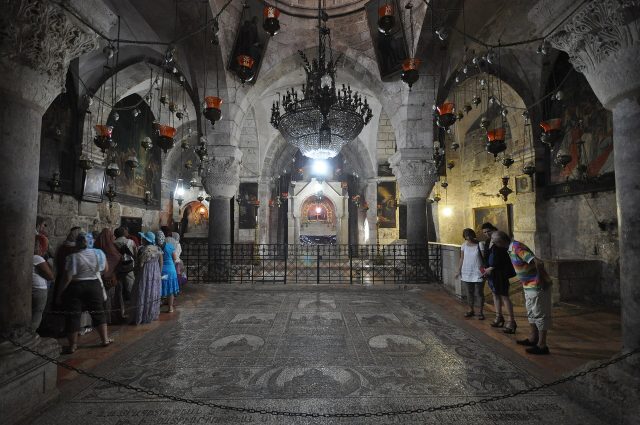
For Jews, this is where King David’s palace once stood, and where the Tomb of the High Priest is believed to lie. Archaeologists still debate the exact locations, but for the faithful, the mountain’s significance goes beyond geography—it’s a symbol, a place where history and faith merge. Christians associate Zion with the Last Supper, where Jesus shared his final meal with his disciples, and with the Upper Room, where the Holy Spirit descended upon the apostles on Pentecost. Muslims, too, hold the site in reverence as part of Jerusalem’s sacred narrative, though it doesn’t carry the same prominence as the Temple Mount.
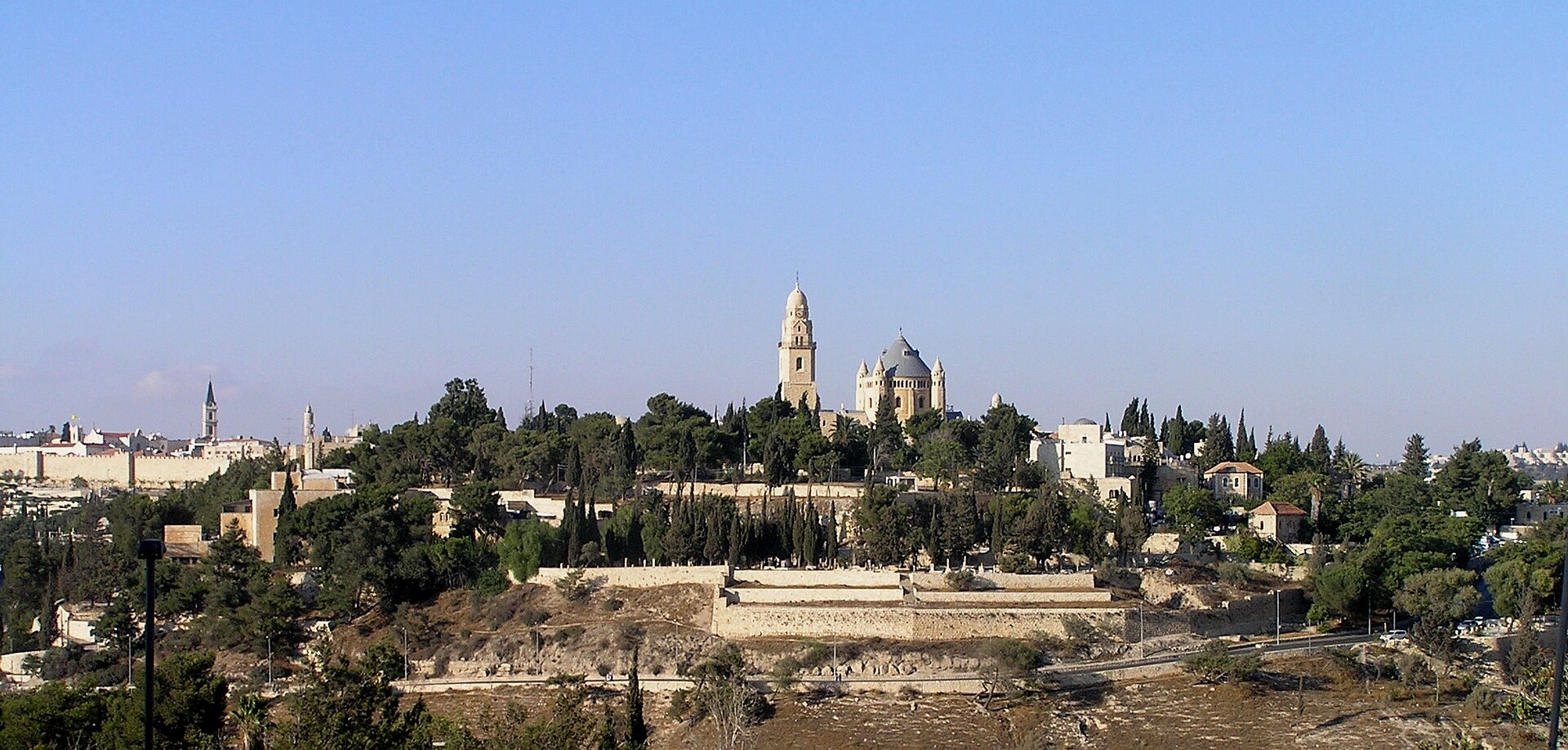
The architecture of Mount Zion reflects its layered past. At the summit stands the Abbey of the Dormition, a Catholic monastery built in the early 20th century on the site of an older Byzantine church. Its massive dome and austere lines contrast with the jumble of buildings on the slopes below—Ottoman-era houses, medieval walls, and modern structures all coexisting. Near the base lies the Tomb of King David, a modest chamber with a marble sarcophagus and flickering oil lamps. There’s no admission fee, but visitors are asked to dress modestly and keep their voices low.
Walking through Zion is less about ticking off sights and more about absorbing the atmosphere. Narrow paths wind between old stone houses, some still bearing bullet marks from 20th-century conflicts. In hidden courtyards, families go about their lives, and the sounds of children playing or a dog barking drift over high walls. Small gardens dot the slopes, where olive trees and cacti grow wild, and from certain vantage points, the Old City and the Hinnom Valley stretch out below. The light here is especially beautiful at dusk, when the setting sun turns the stones golden and the air fills with the scent of spices and fresh bread.
One of the mountain’s most striking features is the Armenian Cemetery, perched on the eastern slope. It has existed for centuries, its gravestones carved with intricate crosses and patterns. Some bear photographs of the deceased, while older stones carry inscriptions in Armenian script. The cemetery isn’t a typical tourist stop, but it’s a place where the weight of history feels particularly heavy—each marker a reminder of the lives lived and lost in this city over generations.
Zion’s importance extends beyond religion. In the Middle Ages, it was a strategic stronghold, offering views over the entire city and fortified with defensive walls. Crusaders used it as a base, and later, under Ottoman rule, it became part of Jerusalem’s urban fabric. By the 19th century, as the city expanded beyond its ancient walls, Zion turned into a quiet neighborhood where monks, artisans, and working-class families settled. Today, it remains a place where different eras and cultures overlap, each layer visible in the architecture and the stories told here.
For many pilgrims, Zion is a place of prayer and reflection. Services are held in the Upper Room, and groups of worshippers can often be seen singing hymns or reading scripture. Jews gather at the Tomb of David to pray, while others come simply to stand in silence, touching the ancient stones and feeling the presence of the past. The mountain doesn’t demand belief—it invites you to connect with something larger than yourself, whether through faith, history, or quiet contemplation.
Unlike other parts of Jerusalem, Zion hasn’t been overtaken by mass tourism. There are no crowds, no souvenir stalls, no pushy guides. Instead, the streets are quiet, the pace unhurried. Even in peak season, the mountain retains its sense of stillness, as if it exists slightly apart from the rest of the city. Perhaps that’s why it feels so different—it doesn’t just show you history, it lets you feel it, in the cool shade of an olive tree or the echo of footsteps on worn stone. Here, the past isn’t just remembered; it’s alive.