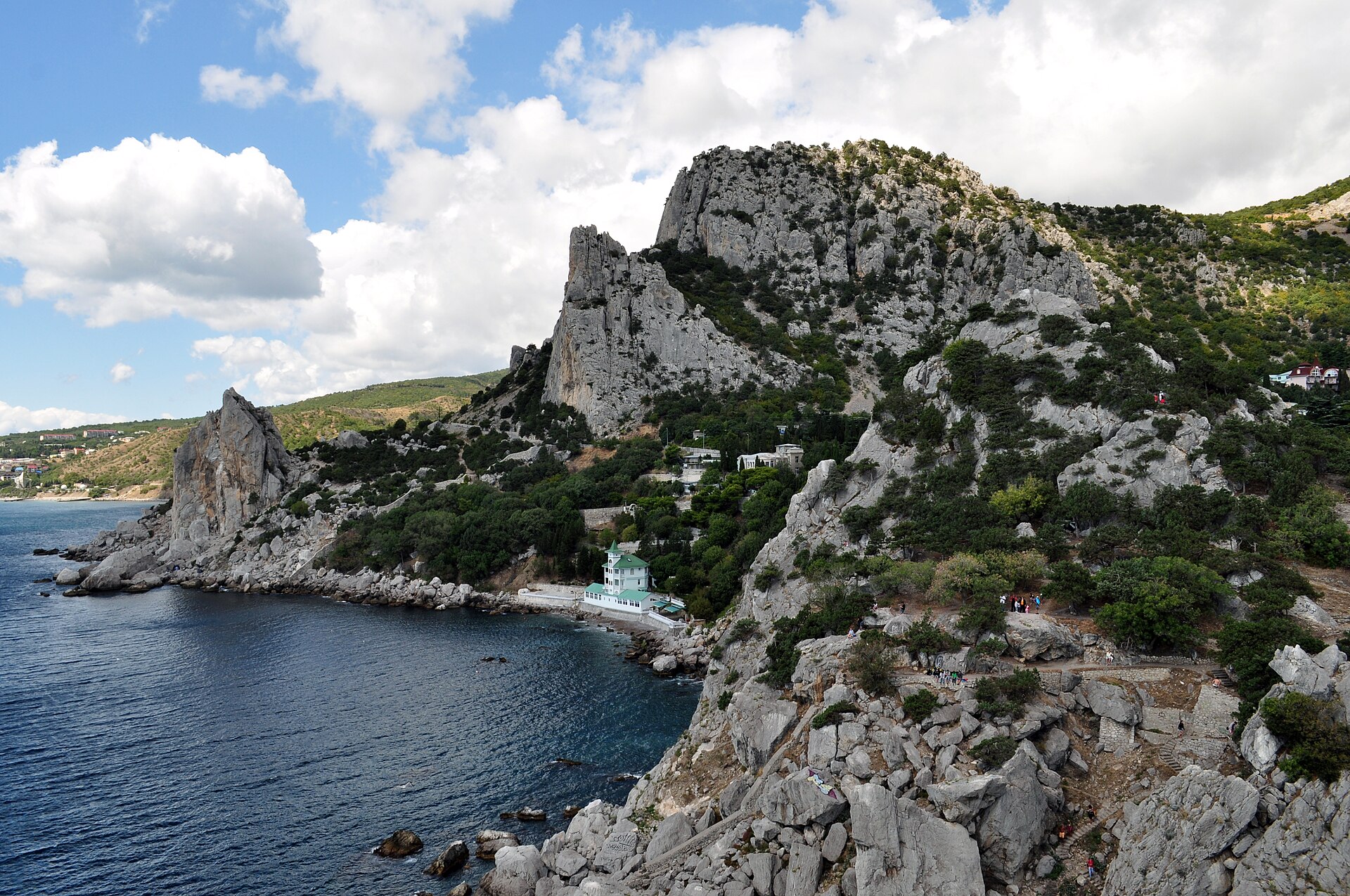
Mount Cat, or Gora Koshka, rises quietly above the coastal village of Koreiz in Crimea, its rounded silhouette unmistakable against the sky. The name comes from the way the mountain’s shape resembles a crouching cat, a comparison that feels almost too obvious once you see it from the right angle. From the shore, the peak looks gentle, almost lazy, but up close it reveals a different character—rocky slopes, patches of scrubby vegetation, and a sense of stillness that makes the climb feel like stepping into another time.
The mountain isn’t particularly high, barely over three hundred meters, but its position near the sea gives it a commanding presence. On clear days, the view from the top stretches across the Black Sea, with the coastline curving away toward Yalta and the distant haze of the Caucasus mountains on the horizon. The air here carries the scent of pine and salt, and the wind moves differently than it does in the valleys below—softer, as if the mountain itself slows it down. Locals have long used these slopes for grazing sheep and goats, and if you walk the trails early in the morning, you might still see herders guiding their flocks along the narrow paths.
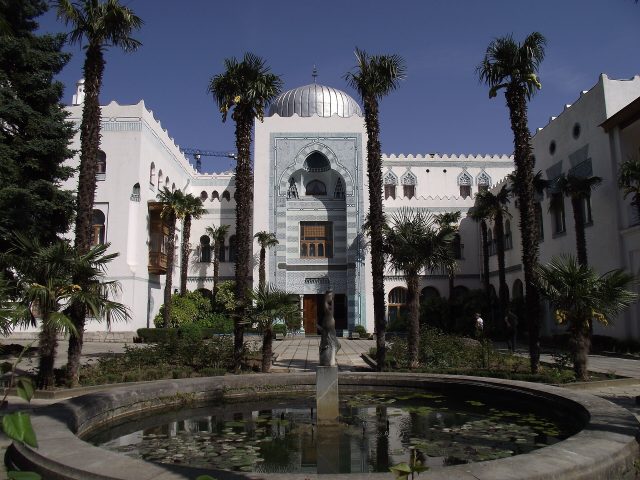
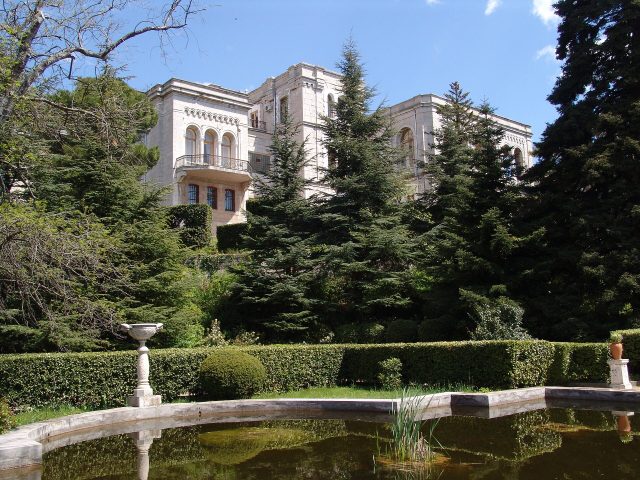
The history of Mount Cat is less about grand events and more about the quiet accumulation of small human stories. In the late 19th and early 20th centuries, when Crimea became a fashionable retreat for Russian aristocracy, the area around Koreiz attracted writers, artists, and wealthy landowners who built villas and dachas in the surrounding hills. Some of these estates, like the nearby Dulber Palace, still stand, their white facades peeking through the trees. Mount Cat itself was never developed in the same way, but it became part of the landscape that inspired those who lived here. Chekhov, who spent time in Yalta for his health, might have looked up at this very mountain while writing, though there’s no record of him ever climbing it.
The most famous structure on the mountain is the ruins of the Koshka Observatory, built in the 1950s as part of a Soviet-era astronomical research station. The observatory was modest by scientific standards, but its location was chosen for the same reason people still come here today—the clear skies and the unobstructed view of the heavens. By the 1990s, the facility had fallen into disuse, and now only the skeletal remains of its domes and walls remain, slowly being reclaimed by the earth. Climbing up to the ruins is a bit of a scramble, especially near the top, but the effort is worth it. From here, the sea looks like a vast, shimmering sheet, and the stars at night are so bright they seem almost within reach.
The trails up Mount Cat are informal but well-worn, marked more by the passage of feet than by signs. The most common route starts near the Koreiz bus stop and winds upward through a mix of open meadows and forested sections. The lower slopes are gentle, covered in wild thyme and low shrubs that release their scent when crushed underfoot. Higher up, the terrain becomes rockier, with loose stones that shift under your weight. There are no railings or safety markers, so it’s best to wear sturdy shoes and take your time. The climb isn’t difficult, but it’s not a stroll either—more like a steady, rewarding walk with plenty of excuses to stop and catch your breath.
What makes Mount Cat special isn’t just the view or the history, but the way it feels like a place apart. Unlike the more famous peaks of Crimea, like Ai-Petri or Demerdzhi, it doesn’t attract crowds. There are no cable cars, no souvenir stalls, no guided tours with loudspeakers. Most visitors are locals or travelers who’ve heard about it through word of mouth. On weekends, you might encounter a few families picnicking near the base or a group of hikers making their way up, but during the week, it’s easy to find yourself alone on the trail. The silence up here is different from the quiet of a forest or a deserted beach—it’s the kind of silence that makes you aware of your own breathing, the rustle of your jacket, the distant cry of a gull.
The mountain changes with the seasons. In spring, the slopes are dotted with wildflowers, and the air is filled with the hum of bees. Summer brings heat, but the higher you climb, the cooler it gets, and by late afternoon, the sea breeze offers relief. Autumn turns the surrounding forests into a patchwork of red and gold, and the trails are often covered in a carpet of fallen leaves. Winter is the quietest time, with a thin layer of snow dusting the rocks and the sea below taking on a steely gray hue. Even then, the mountain doesn’t feel desolate—just patient, as if waiting for the cycle to begin again.
There’s something almost meditative about spending time on Mount Cat. It’s not a place for grand adventures or dramatic discoveries, but for small, unhurried observations. The way the light shifts across the sea in the late afternoon. The way the wind carries the sound of church bells from Koreiz on Sunday mornings. The way the ruins of the observatory seem to hold the memory of the people who once worked there, their voices long faded but their presence still lingering in the stones. It’s the kind of place that stays with you not because of anything extraordinary it offers, but because of the quiet it gives in return.