Mount Koya, or Koyasan, is one of those rare places where time seems to soften, where the rush of the modern world fades into the quiet rhythm of centuries. Tucked deep in the forested mountains of Wakayama Prefecture, this sacred plateau has been a spiritual heartland for over a thousand years. It was here, in the early ninth century, that the monk Kukai—later known as Kobo Daishi—established the Shingon school of Buddhism, a tradition that still shapes the mountain’s life today. At nearly nine hundred meters above sea level, surrounded by towering cedars and mist-laced valleys, Koyasan grew into a sprawling complex of temples, monasteries, and pilgrimage trails, each stone and pathway steeped in devotion.
Kukai’s story is woven into the very earth of Koyasan. After returning from China, where he had studied esoteric Buddhism, he searched for a place that aligned with the strict principles of geomancy—a site where the land itself would amplify spiritual practice. According to legend, the bodhisattva Kannon appeared to him in a vision, guiding him to this mountain. Here, he founded Kongobu-ji, the first temple, and over time, Koyasan became not just a religious center but a destination for pilgrims from across Japan. They came to honor Kukai’s memory, to seek enlightenment, or simply to walk the same paths as generations of seekers before them.
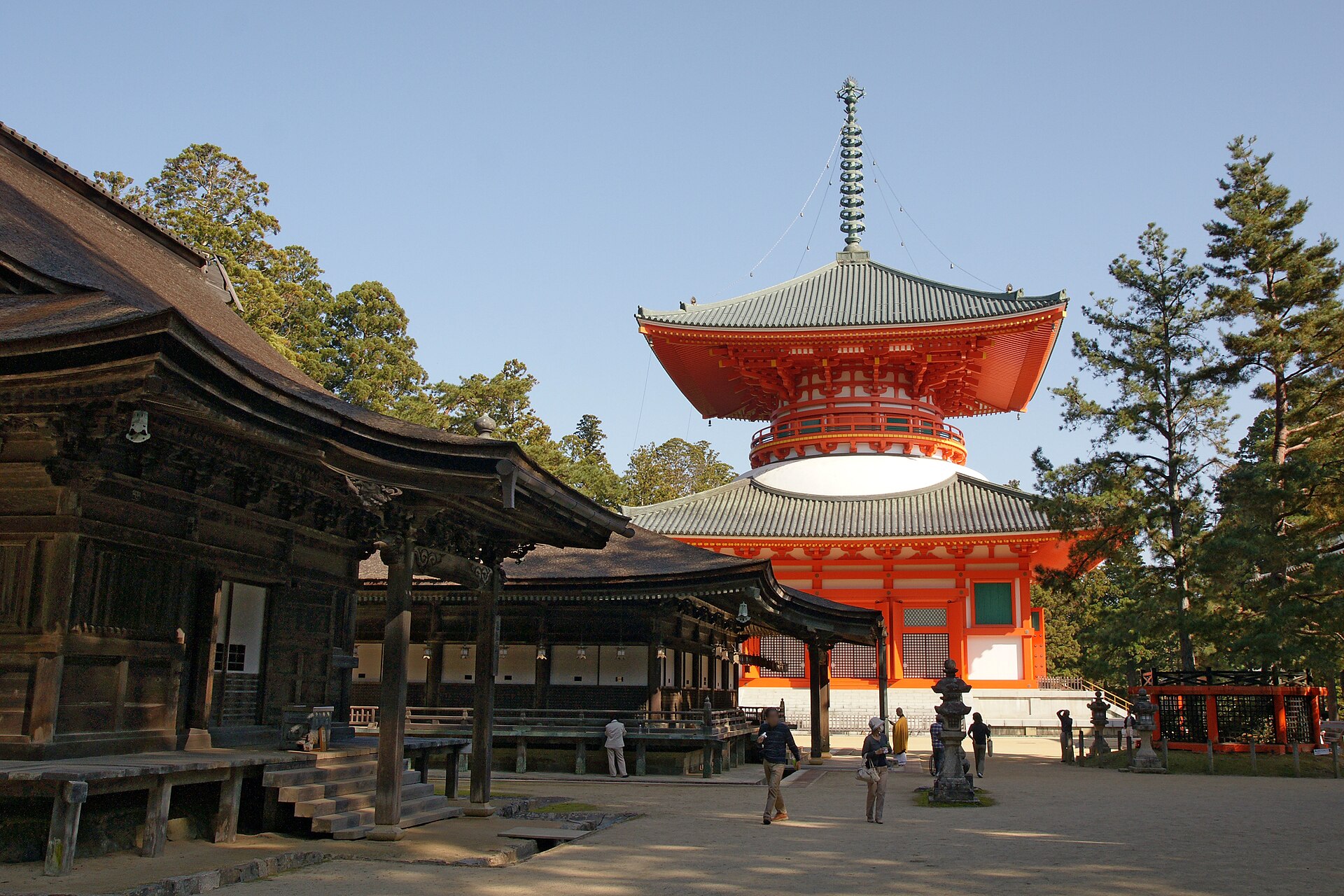
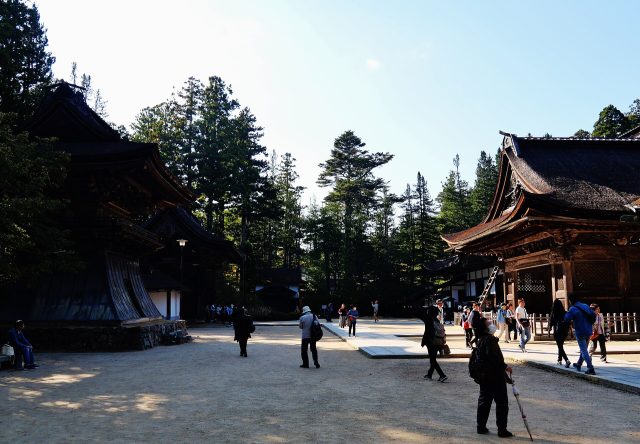
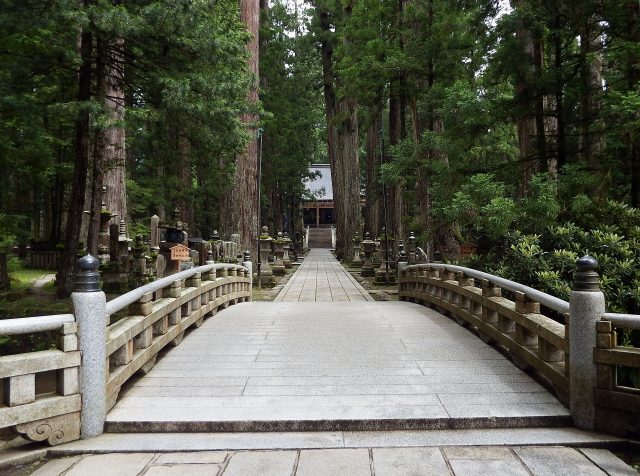
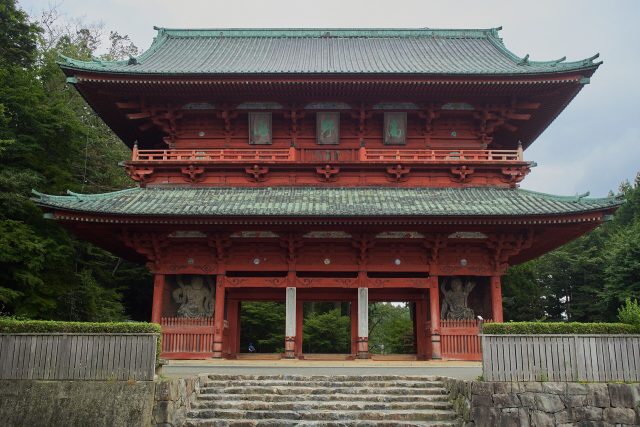
The architecture of Koyasan feels like a natural extension of the landscape. Temples and monasteries are scattered across the slopes, their wooden structures blending seamlessly with the forest. The roofs curve gently, their edges lifting slightly at the corners, a style that has endured for centuries. Inside, sliding doors painted with cranes and pines tell stories of nature and faith, while rock gardens and moss-covered courtyards invite quiet contemplation. But the most striking place is Okunoin, the vast cemetery that stretches beneath the ancient cedars. Here, moss clings to weathered gravestones, some simple and unadorned, others elaborate monuments to warriors and nobles. At dusk, when the stone lanterns are lit, the cemetery takes on an otherworldly glow, as if the boundary between the living and the dead has softened.
Kongobu-ji, the head temple of the Shingon school, is one of the most significant sites on the mountain. Its main hall, rebuilt in the sixteenth century, houses intricate sliding-door paintings depicting scenes from nature and Buddhist cosmology. The ceiling of one chamber is adorned with a coiled dragon, its eyes seeming to follow visitors as they move through the space. Outside, the Banryutei rock garden is designed to evoke Mount Sumeru, the mythical center of the Buddhist universe. Nearby, Todo-ji temple holds a revered statue of Dainichi Nyorai, the cosmic Buddha central to Shingon teachings. Pilgrims often pause here to offer prayers, their voices mingling with the rustle of cedar branches overhead.
Life on Koyasan moves to the rhythm of Buddhist ritual. Mornings begin with chanting and meditation, the sound of sutras drifting through the halls. Monks tend to the temples, sweep the gardens, and prepare meals in the monastery kitchens. Visitors staying in shukubo, the temple lodgings, can join the morning services, share in shojin ryori—the austere, vegetarian cuisine of the monks—and even try their hand at meditation. There’s no pressure, no expectation of expertise; the mountain welcomes all, whether they come for a night or a week. The food, simple but carefully prepared, reflects the Buddhist principle of mindfulness—each dish a balance of flavors, textures, and seasonal ingredients.
Koyasan is also a place where ancient traditions are kept alive. The goma fire ritual, for instance, is performed regularly, with monks chanting mantras as they feed wooden prayer tablets into the flames. The smoke is believed to carry wishes and prayers to the heavens. Another important observance is Hanamatsuri, the Flower Festival, celebrating the Buddha’s birth. Temples are decorated with blossoms, and devotees offer flowers and incense, their movements slow and deliberate. These rituals, some over a thousand years old, are not just performances for visitors; they are living practices, passed down through generations of monks.
The journey to Koyasan is part of its allure. Traditionally, pilgrims would walk for days, following trails that wound through forests and over ridges. Today, most travelers take the train from Osaka or Wakayama, then ride the cable car up the mountain. But some still choose to walk, especially along the Koyasan Choishi-michi, a historic route that begins at the Danjogaran bridge. The path is lined with stone markers, each one a reminder of the mountain’s sacredness. Even those who arrive by modern transport can’t help but feel the weight of the journey—the way the air grows cooler, the trees taller, the sounds of the outside world fading into the hush of the forest.
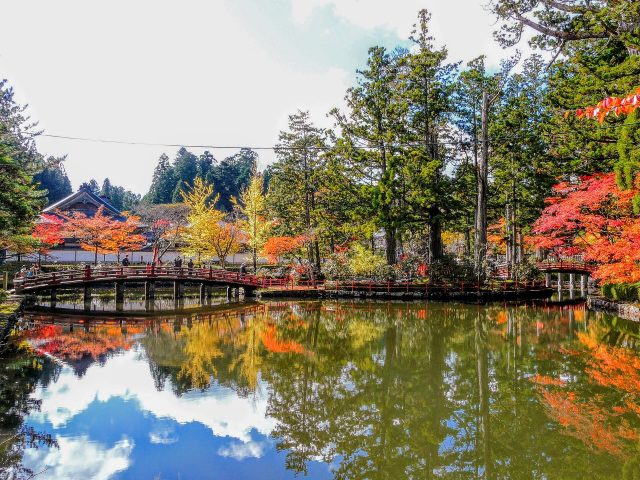
The mountain changes with the seasons. In spring, cherry blossoms drift like pink snow over the temples. Autumn turns the slopes into a blaze of red and gold, the maples reflecting in the still waters of temple ponds. Winter brings a quiet beauty, the cedars dusted with snow, the paths muffled underfoot. Summer offers respite from the heat, the mountain air cool and fragrant with pine. But no matter the season, Koyasan feels apart from time. The silence is broken only by the wind in the trees, the distant toll of a temple bell, the occasional murmur of a prayer. It’s a place where the noise of the world feels distant, where the mind can settle into the present.
For many, Koyasan is more than a destination—it’s an experience of stillness, a chance to step away from the relentless pace of life. There are no crowds here, no hurried tourists snapping photos and moving on. The temples and monasteries are open to those who come seeking something deeper, whether it’s a moment of peace, a connection to history, or a glimpse of the sacred. You don’t need to be a Buddhist, or even particularly spiritual, to feel the pull of this place. The mountain meets you where you are, offering quiet, beauty, and the space to reflect. It’s a reminder that some places are not just seen, but felt.