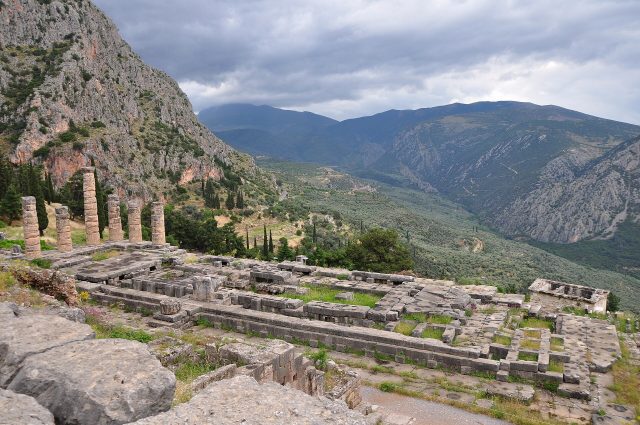
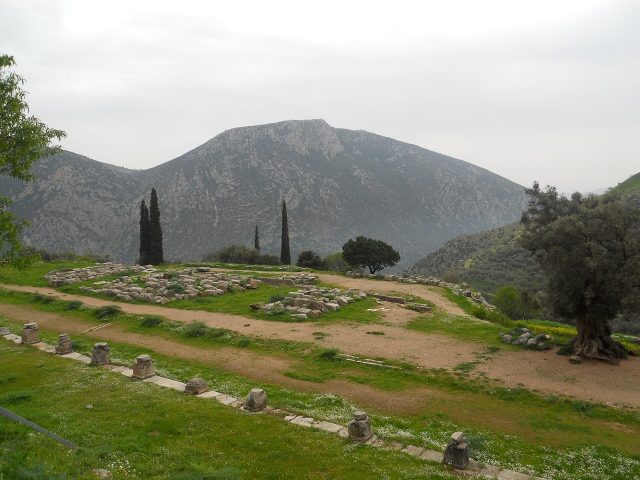
Delphi has a way of making the ancient world feel almost tangible. Perched on the slopes of Mount Parnassus, this place was once the beating heart of Greece—a sanctuary where oracles spoke, athletes competed, and philosophers debated the nature of existence. While the Temple of Apollo and the ancient theater draw most visitors, Delphi holds quieter treasures, like the ruins of its gymnasium, where the rhythms of daily life in antiquity still linger in the stone.
The gymnasium was never just a place for physical training. In ancient Greece, these complexes were centers of education and culture, where young men from noble families honed their bodies and minds in equal measure. Here, they practiced running, wrestling, and discus under the watchful eyes of trainers, but they also studied philosophy, music, and rhetoric—disciplines considered just as vital as strength or speed. The gymnasium in Delphi, built in the 4th century BCE, embodied this ideal of balance, where the pursuit of physical excellence went hand in hand with intellectual growth.
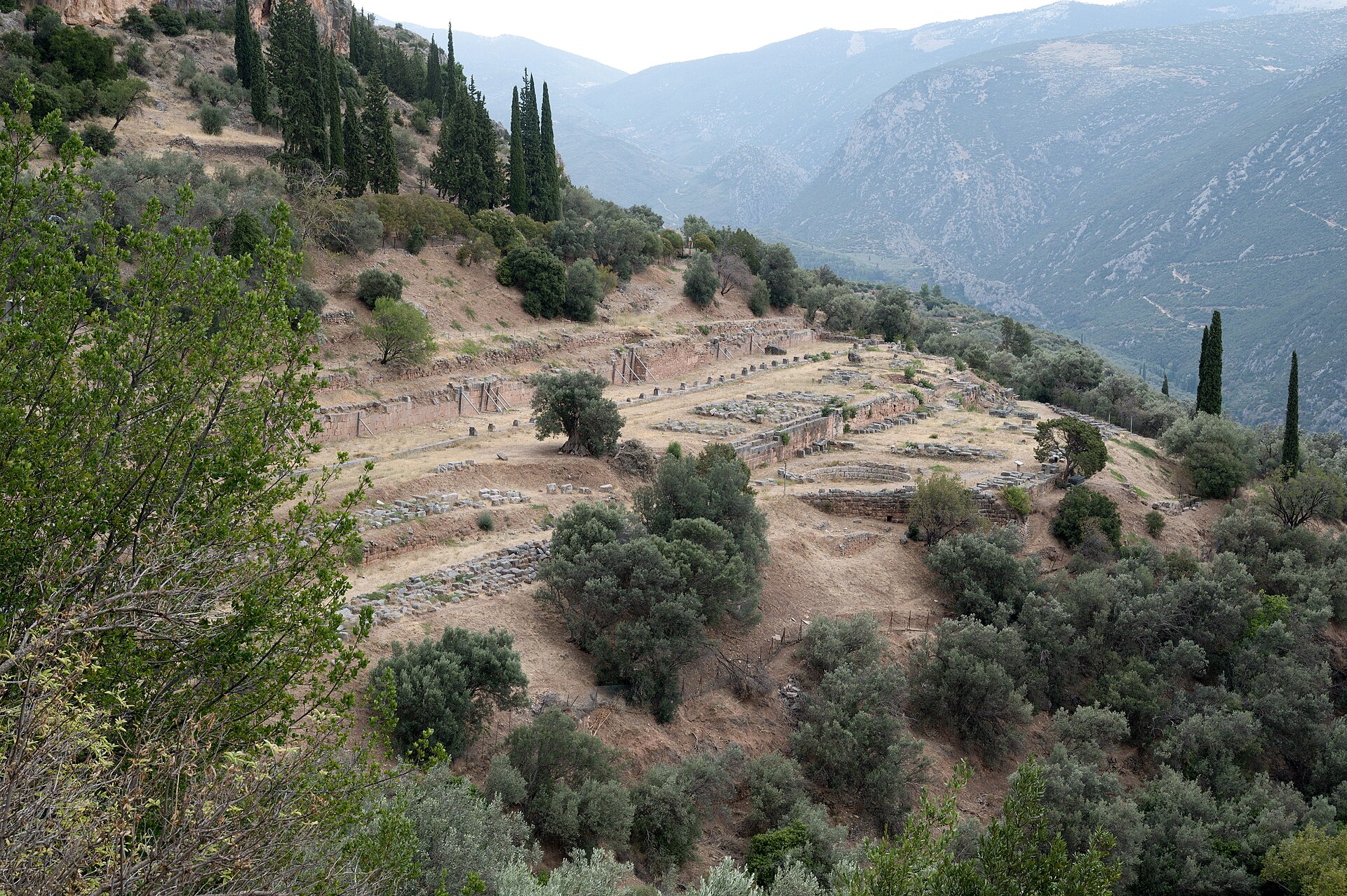
What remains today are fragments, but even these scattered stones tell a story. The heart of the complex was the palaestra, a square courtyard framed by columns, where athletes trained in the open air or under the shade of the surrounding porticoes. Nearby, rooms once served as changing areas, baths, and spaces for massage—evidence of how seriously the Greeks took the care of the body. One of the most intriguing features is the circular rotunda, its purpose still debated. Some believe it was a lecture hall, where students gathered to discuss ideas or listen to scholars, blending the physical and the philosophical in a single space.
The gymnasium was deeply woven into Delphi’s religious and civic life. It was here that athletes prepared for the Pythian Games, the second most prestigious competition after the Olympics, held in honor of Apollo. Victors didn’t just win laurel wreaths; their names echoed across the Greek world, their achievements celebrated in poetry and song. The complex itself was built to harmonize with the landscape, its terraces and stairways following the natural contours of the mountain. Even now, standing among the ruins, it’s easy to imagine the scene: runners sprinting along the tracks, the murmur of voices as trainers gave instructions, the wind carrying the scent of olive trees and pine.
Time has worn the gymnasium down, but its legacy endures. In ancient Greece, sport was more than competition—it was a form of worship, a way to honor the gods, and a means of shaping citizens. The gymnasium in Delphi was a place where discipline, intellect, and devotion intersected, where the pursuit of perfection was both a personal and a communal endeavor. Unlike the roar of modern stadiums, this site offers something quieter: a chance to reflect on an era when the body and the mind were seen as two halves of a whole.
Today, the gymnasium is often overlooked, a quiet corner of Delphi where few tourists linger. Yet it’s here, among the weathered stones and wild grasses, that the past feels closest. There’s a stillness to the place, broken only by the occasional rustle of leaves or the distant call of a bird. If you listen carefully, it’s almost possible to hear the echoes of ancient voices—the shouts of athletes, the measured tones of a philosopher’s lecture, the footsteps of those who once walked these same paths. The gymnasium isn’t just a relic; it’s a reminder that the ideals of antiquity haven’t vanished. They persist in the land, in the air, and in the moments when we pause to consider what it once meant to strive for greatness.