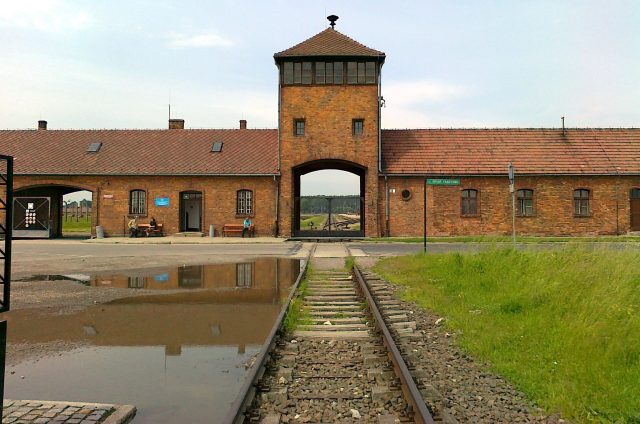
Theresienstadt is a place that lingers in the mind long after you leave. What stands today as a museum was once a garrison town repurposed into one of the most deceptive and tragic sites of the Second World War. In 1941, the Nazis transformed this small Czech fortress settlement into a ghetto, presenting it to the world as a "model Jewish settlement." The reality was far darker. Theresienstadt served as a transit camp, a waystation for tens of thousands of Jews deported from across Europe before they were sent to Auschwitz and other extermination camps. The numbers alone are staggering, but the weight of what happened here isn’t just in the statistics—it’s in the stories of those who passed through its gates, many of whom never returned.
The town itself, about an hour’s drive from Prague, still carries the imprint of its 18th-century origins. The fortress walls, built to defend against invaders, became part of the machinery of imprisonment during the war. The narrow streets, Baroque buildings, and earthen ramparts now feel like silent witnesses to a past that refuses to fade. Walking through Theresienstadt today, it’s difficult to reconcile the quiet, almost picturesque setting with the overcrowded, desperate conditions that once defined it. The same streets that now host visitors were once packed with people stripped of their freedom, their futures uncertain.
The Ghetto Museum occupies several of the town’s former buildings, including a school and administrative offices. The exhibits go beyond the grim logistics of the camp, revealing how the Nazis manipulated perceptions of Theresienstadt. To deceive international observers, they staged a propaganda film depicting a thriving, almost idyllic community—complete with orchestras, theaters, and well-dressed residents. The museum dismantles this fiction with documents, photographs, and personal belongings that tell the real story. One of the most haunting sections focuses on the children of Theresienstadt. Despite the horrors around them, they attended secret schools where they studied art, music, and literature, their creativity a quiet act of defiance.
The children’s drawings are among the most moving artifacts in the museum. Sketched in pencil and watercolor, these images capture the fear, longing, and fleeting moments of hope that defined their lives. Many of the young artists didn’t survive the war, but their work remains a powerful testament to what was lost. Alongside the drawings, the museum preserves diaries and poems written in secret, fragments of lives that refused to be erased. These personal accounts make the history feel immediate, as if the voices of the past are still echoing through the rooms.
Theresienstadt was not an extermination camp, but the conditions were brutal. Prisoners were crammed into overcrowded barracks, plagued by hunger, disease, and cruelty. Yet even in this environment, culture became a form of resistance. The ghetto had a clandestine cultural life—plays, concerts, lectures—all attempts to reclaim a sense of humanity in a place designed to strip it away. The Nazis allowed some of these activities, perhaps to maintain the illusion of normalcy, but for the prisoners, they were acts of defiance. The fact that people found ways to create, to teach, and to remember under such circumstances is both astonishing and heartbreaking.
Today, Theresienstadt serves as both a museum and a memorial. Each year, survivors, their families, and descendants return to honor those who perished. The Jewish cemetery, with its thousands of graves, and the crematorium, where the bodies of the dead were burned, stand as stark reminders of the scale of the tragedy. These sites are not just historical markers; they are places where the past feels uncomfortably present. The town itself has moved on, but the weight of its history is inescapable. The fortress walls that once confined now seem to hold the memories of those who suffered within them.
Visiting Theresienstadt is not like visiting other historical sites. There are no grand monuments or uplifting narratives here. Instead, it’s a place that forces you to confront the fragility of civilization. The town is quiet now, its streets lined with trees and its buildings restored, but the atmosphere is heavy with what happened. It’s a place that makes you reflect on the ease with which humanity can be stripped away—and the resilience of those who fought to preserve it. Walking through Theresienstadt, you’re reminded of how much we take for granted: freedom, safety, the simple dignity of being treated as a human being.
The museum doesn’t offer easy answers or comforting resolutions. What it does provide is a space to remember, to learn, and to carry forward the stories of those who lived—and died—here. Theresienstadt is a place where history feels personal, where the past isn’t just something you read about but something you feel. It’s not a destination for the faint of heart, but it’s an essential one. Because to understand the depths of what happened here is to understand the importance of never letting it happen again.