Falmouth Art Gallery feels like a place where art isn’t just displayed—it breathes, grows, and becomes part of the town itself. Tucked into the heart of Portkerno, it blends seamlessly into the landscape, as unassuming yet compelling as the old docks or the rugged coastal cliffs. There’s no grandiosity here, no pretension of a major museum. Instead, the gallery has the quiet confidence of a space where every piece feels like it belongs, as if it’s part of an ongoing conversation between artists, visitors, and this corner of Cornwall.
The gallery’s story began in the mid-20th century, born from the idea that art shouldn’t be confined to London or the big cultural hubs. A small group of enthusiasts wanted to create a place where local artists could exhibit alongside established names, and where both residents and visitors could discover something new without having to travel far. Over the decades, it has become a cultural landmark in the region, though it has never outgrown its modest scale. It remains a place where art feels accessible, not intimidating.
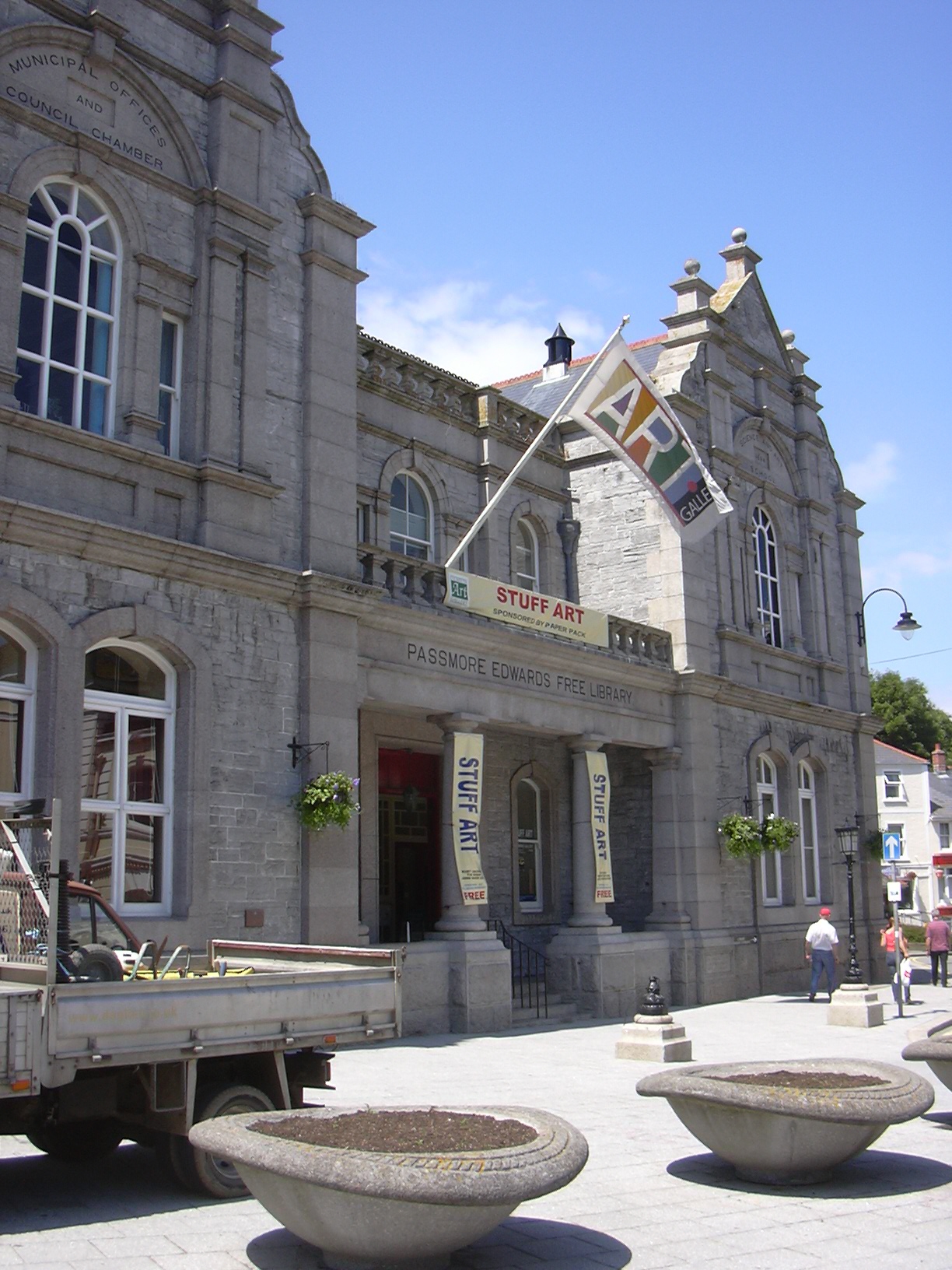
The building itself is part of the experience. Unlike the sleek, modern structures that house many galleries today, this one is a converted historic house. High ceilings, large windows that flood the rooms with the soft northern light artists love, and creaking wooden floors all add to the atmosphere. The space has a sense of history—its walls seem to remember exhibitions from years past, and it adapts effortlessly to different formats, whether it’s an intimate display of small works or a bold installation that demands room to breathe.
The collection isn’t vast, and that’s part of its charm. There’s no strict chronology or rigid curation here. You might find early 20th-century Cornish landscapes hanging near contemporary abstract pieces or photographs capturing the peninsula’s modern life. The sea, which has always shaped Cornwall, is a recurring theme—seascapes, scenes of fishing villages, and abstract works that evoke the rhythm of the waves. It’s as if the art here is in dialogue with the landscape outside, reinforcing the connection between creativity and place.
But the gallery is more than just a space for exhibitions. It’s deeply embedded in the local community, hosting workshops, talks, and artist meet-ups. For many in Portkerno and the surrounding villages, it’s a gathering place where people don’t just look at art but create it. In the summer, the gallery often spills into the streets with open events—discussions, live music, even small performances. In the quieter winter months, the space takes on a different mood, offering a peaceful retreat where visitors can linger over a painting or sculpture without distraction.
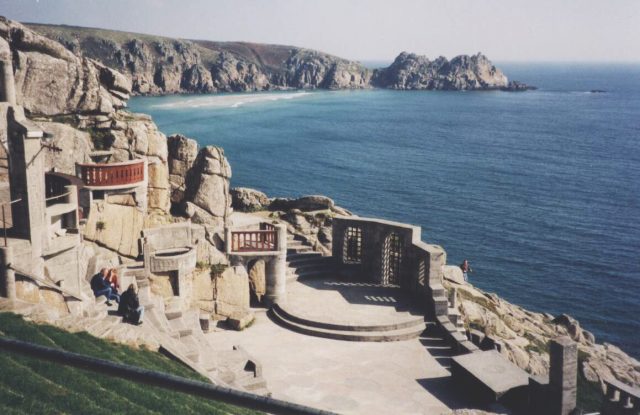
Portkerno itself is a town with character, and the gallery reflects that. There’s no touristy hustle here, just an authenticity that makes the experience feel personal. Visitors often remark on how the gallery’s atmosphere encourages slow, thoughtful viewing—you might spend time with a single piece, then step outside and see the same motifs in the real world: the cliffs, the sea, the old stone buildings. This isn’t a place for grand names or world-famous masterpieces. It’s about the relationship between art and place, about how one can deepen your understanding of the other.
The gallery also plays a role in preserving Cornwall’s cultural heritage. Many of the works on display explore the region’s history, traditions, and even its language—Cornish, though rarely spoken today, still echoes in the local identity. There are pieces that reflect the peninsula’s industrial past, from tin mining to shipbuilding, making the gallery not just a place for aesthetic appreciation but a kind of living archive. It’s a reminder of where this corner of the world has been and where it might be headed.
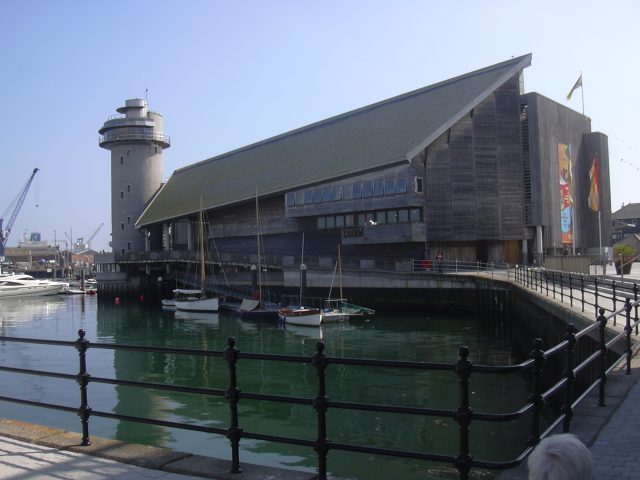
A visit to the gallery fits naturally into a day in Portkerno. The town is small, and from the gallery, it’s just a short walk to the harbor, where you can sip coffee by the water or stroll along the coastal paths that lead to secluded coves. After an exhibition, it’s easy to wander the waterfront, browse the little shops, or simply sit on a bench and let the experience settle in. The gallery doesn’t demand any special knowledge or preparation—it’s open to anyone willing to look and, perhaps, feel something new.
In the end, Falmouth Art Gallery isn’t so much a destination as it is an invitation. An invitation to see art not as something distant or untouchable, but as part of everyday life. You don’t need to decipher hidden meanings or analyze every brushstroke. Just come, look around, and let yourself be surprised. That’s the quiet magic of this place—it doesn’t impose, it welcomes. It asks you to see the world a little differently, even if just for a moment.