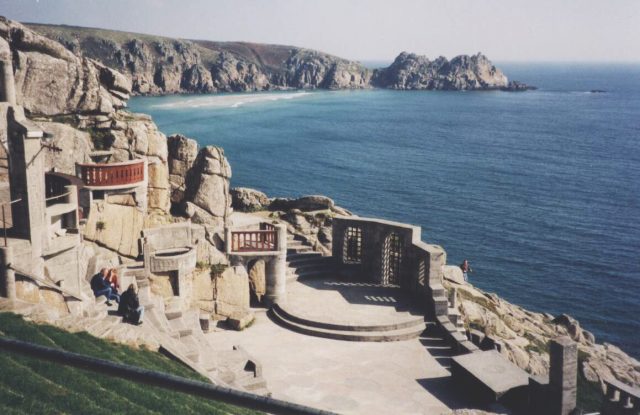
Swanpool Beach is one of those quiet corners of England’s southern coast where the land simply gives way to the sea without fuss. Tucked near Portkerno, a small town in Cornwall known for its rugged cliffs and secluded coves, it feels like a place that time forgot. There are no crowds here, no amusement arcades or overpriced cafés with plastic chairs—just sand, stone, water, and a wind that shifts direction without warning.
The beach itself is modest in size, which only adds to its charm. A narrow strip of sand is framed by low cliffs, their edges softened by grass and heather, while beyond them, gorse and brambles spill down toward the shore. At low tide, the water retreats far enough to reveal a rocky seabed dotted with shallow pools, where small crabs scuttle and shells glint in the sunlight. When the tide rolls back in, the beach becomes a small, sheltered bay, enclosed by granite outcrops. Locals sometimes say you can see the Isles of Scilly from here on a clear day, though they lie more than forty miles away—perhaps it’s just the way the light plays on the horizon.
Cornwall’s history is woven into the landscape around Swanpool, particularly its mining past. This part of the coast was once a hub for tin and copper extraction, and remnants of that industry linger in the area. Nearby, the skeletal remains of old mine buildings stand against the skyline, and in the cliffs, you might spot the dark mouths of abandoned tunnels. Portkerno was a bustling port in the 19th century, shipping ore to distant foundries, but as the mines closed, the town settled back into a slower rhythm. Swanpool, though, never changed. It remained a quiet stretch of shore where the hours pass differently.
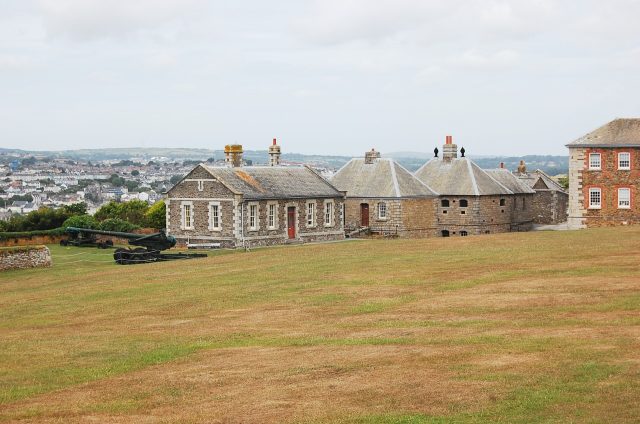
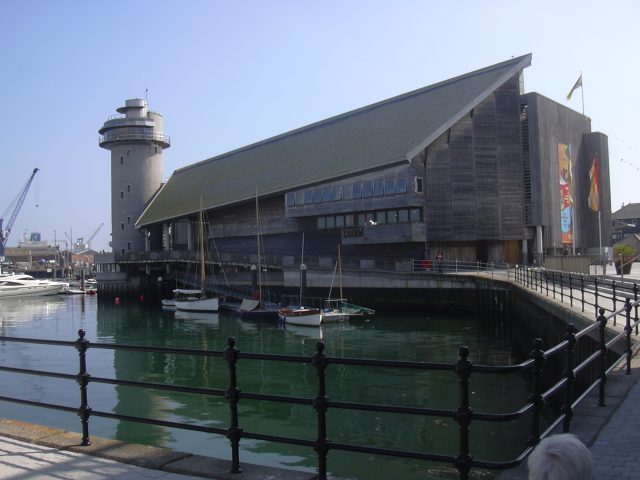
There’s no grand architecture here—just a handful of old fisherman’s huts, long since repurposed as holiday cottages. But the landscape has its own kind of design: the clean lines of the tide’s advance and retreat, the jagged curves of the cliffs, the patterns left in the sand by receding waves. When storms roll in, the sea turns a deep, almost inky blue, crashing against the rocks with a force that sends spray high into the air. On days like that, the beach empties, leaving only the bold or the reckless to stand near the water’s edge.
Swanpool isn’t for those seeking convenience or entertainment. There are no showers, no sunbed rentals, no lifeguard towers. The path down to the beach is steep and winding, cutting between the cliffs, and it’s best navigated carefully, especially after rain. But that very inaccessibility is part of its appeal. For anyone tired of the trappings of modern life, it offers a rare kind of solitude. You could spend hours here without seeing another soul—just sitting on a rock, listening to the waves, watching gulls dive for fish or ride the wind currents above the water.
The locals treat Swanpool with a quiet reverence, as if it were something alive. They know it doesn’t suffer fools gladly: a sudden tide can cut off the path back, and the slick rocks have sent more than a few visitors tumbling. Yet serious accidents are rare, perhaps because people sense, almost instinctively, that this place demands respect. Fishermen sometimes pull their boats ashore here to check their nets or take a break, and children from Portkerno often race down after school to skim stones or hunt for starfish in the tide pools.
The coastline around Swanpool is crisscrossed with walking paths, offering routes for those who want to explore further. One trail heads east toward Portkerno Head, where the view opens up across the English Channel and the jagged islands rising from the water like the backs of sleeping beasts. Another path leads west, toward wilder, more remote coves where the sea feels even more untamed. On a clear day, you could walk all the way to Falmouth, though that’s a long trek, best started early.
Swanpool isn’t the kind of place that announces itself. Its beauty is understated, almost reluctant, which is why it lingers in the memory. There’s nothing here that doesn’t belong: no garish signs, no souvenir stalls, no crowds rushing past. Just the sea, the cliffs, the wind, and a silence so deep it almost feels tangible. Maybe that’s why people who visit once often find themselves returning—to confirm that it’s still here, and that it’s still waiting for those who know how to look.