The National Maritime Museum Cornwall isn’t just a place to see old ships and artifacts—it’s where the sea itself becomes part of the region’s story. Tucked away in the small coastal town of Falmouth, the museum traces Cornwall’s deep connection to the ocean, from fishing and smuggling to shipbuilding and exploration. There’s no grand pretension here, just a quiet authenticity, as if every exhibit carries the memories of people whose lives were shaped by the tides and storms.
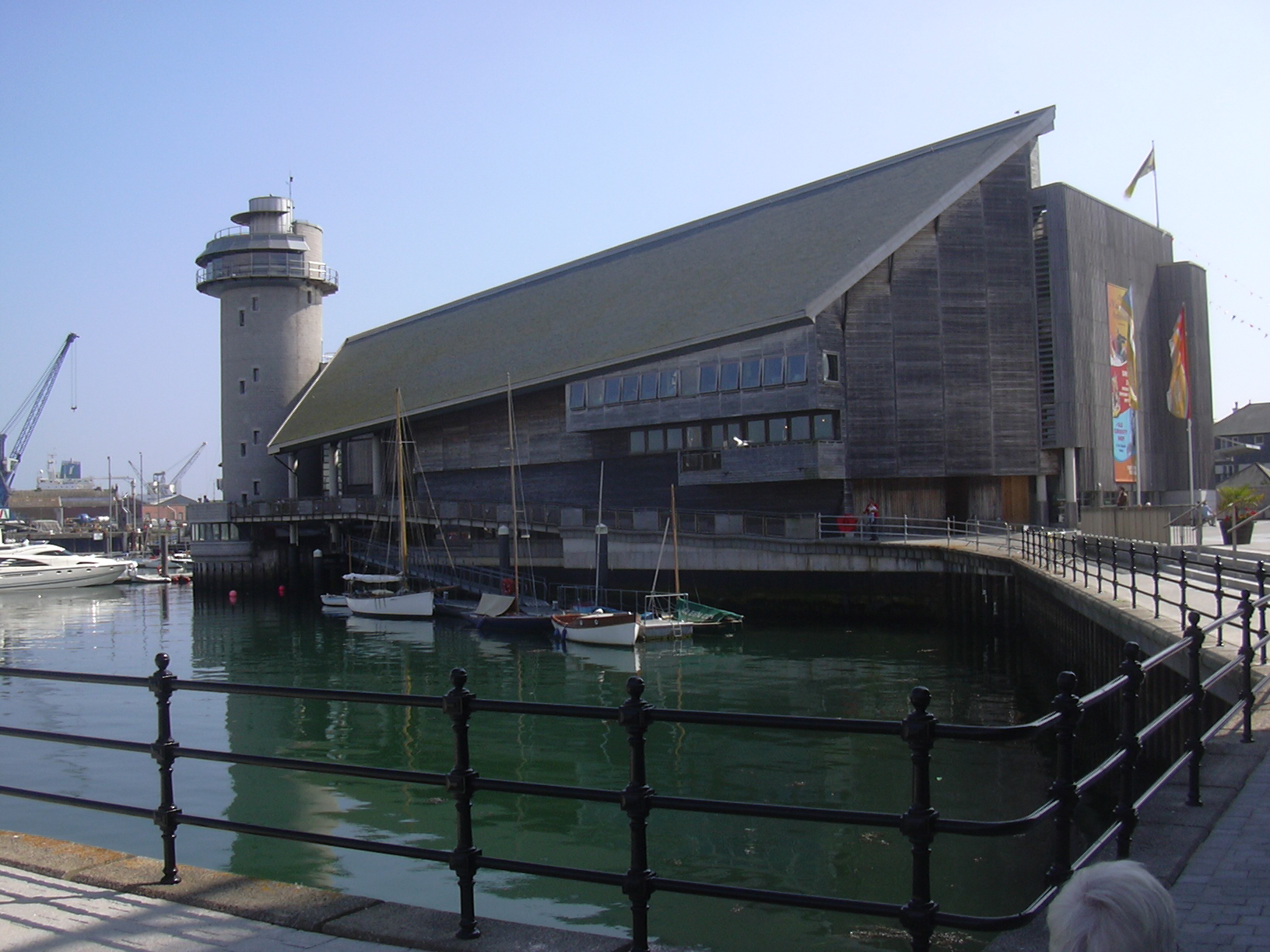
The building itself is worth noticing. Perched on the edge of Falmouth Bay, it blends modern glass with the historic docks where the port once bustled. Inside, high ceilings and large windows create a sense of openness, framing views of the water that’s never far away. The museum doesn’t try to overwhelm with size, but its exhibits are carefully curated to offer something for everyone—whether it’s the history of lifeboat rescues, stories of famous sailors, or the beauty of old vessels.
What sets this museum apart is its hands-on approach. Visitors aren’t just observers; they can touch, try, and participate. In the navigation gallery, you can plot a course on antique maps or feel the force of the wind in a wind tunnel. Children can steer model boats or learn how to tie nautical knots, while adults might be drawn to the stories of Cornish fishermen, whose families risked everything at sea for generations.
The museum doesn’t just dwell on the past—it also explores modern challenges like climate change, ocean pollution, and marine conservation. Exhibits explain how global shifts affect coastal communities and what’s being done to protect Cornwall’s unique ecosystems. There are stories of local activists and scientists fighting to keep the waters clean and preserve rare species, reminding visitors that the sea isn’t just history—it’s a living, changing force that demands attention.
One of the highlights is the boat collection, featuring everything from small fishing vessels to impressive sailing ships, each with its own tale. Some are brought up from the water for special displays, while others remain on permanent view. A particularly striking gallery showcases boats from around the world—Cornish fishing boats alongside Asian junks and African canoes—each reflecting how different cultures have adapted to the sea.
The museum also hosts temporary exhibitions on niche but fascinating topics, like women in maritime history, Cornwall’s role in transatlantic shipping, or how the sea has inspired local art. These events draw both tourists and locals, turning the museum into a cultural hub. Lectures, workshops, and talks by sailors and researchers make it a place where knowledge is shared firsthand, not just observed.
Falmouth itself is a town with a maritime soul, and the museum fits right in. After exploring the exhibits, you can stroll along the waterfront, stop for fresh seafood in a small café, or walk along the shore. On clear days, the views over the bay are stunning, and if you’re lucky, you might see local fishermen returning with their catch. The museum doesn’t aim to be a tourist magnet—it invites you to slow down, look closer, and understand why the sea is more than just water to Cornwall.
There’s no rush here, no crowds jostling for space. Visitors can take their time, lingering over exhibits, reading the displays, or simply sitting by a window watching the light play on the water. The atmosphere is calm, almost intimate, as if you’ve been welcomed into a home where the hosts are genuinely passionate about sharing their love of the sea. That’s why the National Maritime Museum Cornwall stays with you—not for any single exhibit, but for the quiet sense of connection to the ocean that lingers long after you leave.