Fort Siloso stands on Sentosa Island as one of Singapore’s most tangible links to its colonial past. Built in the late 19th century, it was part of a network of coastal defenses designed to protect the harbor, which had become a critical node in Britain’s trade empire. At the time, Singapore’s strategic position made it vulnerable to naval threats, and forts like Siloso were meant to deter potential attacks. The architecture reflects the military engineering of the era—thick stone walls, gun emplacements, and underground tunnels, all constructed to house heavy artillery that could command the approaches to the harbor.
The fort’s role evolved during World War II, when it became an active defense position against the Japanese invasion in 1942. Its guns fired on advancing forces, though the effort was ultimately futile. After Singapore fell, the fort was captured, its weapons destroyed or disabled. By the mid-20th century, it had lost its military purpose and was left to the encroaching jungle, a relic of a bygone era.
Today, Fort Siloso operates as an open-air museum, offering visitors a chance to explore its preserved structures. The underground tunnels are particularly striking—cool, dimly lit, and lined with remnants of old machinery. Some chambers have been restored to depict scenes from the fort’s operational days, such as ammunition stores and communication rooms, complete with replicas of shells and equipment. The atmosphere is quiet, almost solemn, as if the past lingers in the damp air.
A small but moving part of the fort is the prisoner-of-war memorial, dedicated to those captured by the Japanese during the occupation. The exhibit is modest, focusing on personal stories rather than grand narratives. It serves as a reminder of the human cost of war, set apart from the more polished memorials elsewhere in Singapore. There’s no fanfare here, just a space for reflection.
Beyond its historical significance, Fort Siloso offers a glimpse into Singapore’s transformation. In the 19th century, it was a military outpost; by the mid-20th, an abandoned ruin; and now, part of Sentosa’s modern tourist landscape. Yet it hasn’t been turned into a theme park. There are no flashy attractions, just the raw, unvarnished remnants of history. The contrast is striking when you step outside the fort and see the island’s present-day identity—beaches, resorts, and amusement parks—all framed against the backdrop of Singapore’s skyline.
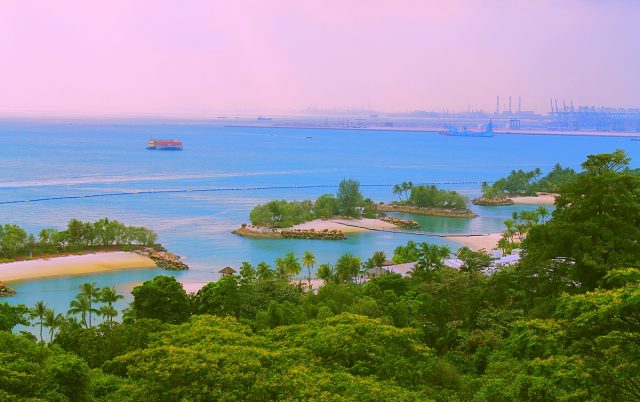
The surrounding area adds another layer to the experience. Sentosa itself has changed dramatically, from a quiet fishing island to a bustling resort destination. But the fort’s elevated position offers a quieter perspective. From its hilltop vantage point, you can look out over the sea and the distant skyscrapers of modern Singapore, a view that encapsulates the city’s journey from colonial stronghold to global metropolis.
Visiting Fort Siloso doesn’t require much planning. A couple of hours is enough to explore the main sites, and entry is free, though some sections may occasionally be closed for maintenance. Weekdays are ideal if you prefer fewer crowds, allowing you to wander the tunnels at your own pace. Occasionally, local guides offer impromptu tours, sharing details that aren’t on the informational plaques—small stories that bring the fort’s history to life.
What makes Fort Siloso special is its ability to ground Singapore’s present in its past. Behind the city’s gleaming towers and relentless energy lies a history of conflict, change, and resilience. The fort no longer guards against invaders, but it still stands as a reminder of those who once defended these shores—and of the complex layers that shape the place Singapore is today.