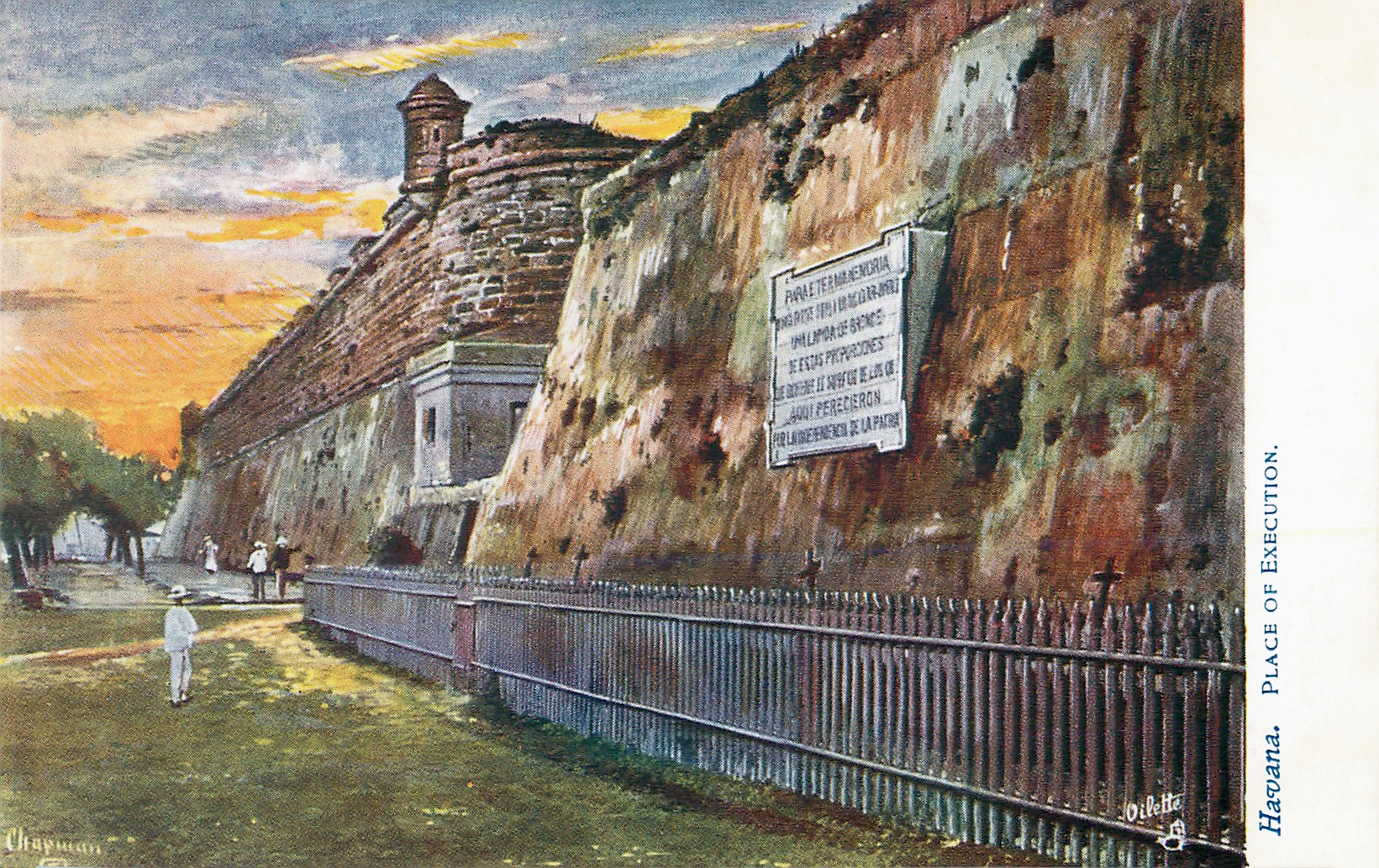
Perched on the eastern edge of Havana’s harbor, La Cabaña fortress stands as a silent witness to centuries of Cuban history. Its towering stone walls, weathered by time and salt air, rise above the water like a guardian watching over the city. Built in the 18th century, the fort was meant to protect Havana from invaders, but today it offers something far more enduring—a tangible connection to the past, where the weight of history lingers in every corner.
Construction began in 1763, shortly after the British briefly seized Havana and returned it to Spain in exchange for Florida. The Spanish crown, shaken by the city’s vulnerability, ordered the fort’s construction to ensure such a breach would never happen again. For eleven years, laborers and engineers worked to create one of the most formidable military structures in the Americas. The walls, some as thick as twelve meters, were designed to withstand cannon fire, while underground tunnels and storerooms allowed the garrison to endure long sieges. The fort’s strategic position overlooking the harbor made it nearly impregnable, a fact that would shape Havana’s fate for generations.
Walking through La Cabaña feels like stepping into another era. The narrow passageways, once patrolled by soldiers, lead to dimly lit chambers where prisoners were once held. The vast courtyards, now quiet, were once filled with the sounds of drills and commands. Cannons still point toward the sea, their barrels rusted but their presence a reminder of the fort’s original purpose. In one corner, a small chapel dedicated to Saint Bartholomew offers a quiet contrast to the military might surrounding it. Here, even in the heart of a fortress, there was room for faith.
Over the centuries, La Cabaña played a pivotal role in Cuba’s defense. During the Spanish-American War in 1898, it became the last stronghold of Spanish forces on the island. After Spain’s defeat, the fort passed to American control before eventually becoming part of Cuba’s military infrastructure. In the 20th century, it served as a prison, holding political dissidents during Batista’s regime. The revolution of 1959 transformed it once again, this time into a museum dedicated to Cuba’s struggle for independence. Some areas remain under military use, a reminder that the fort’s story is still unfolding.
One of the most striking experiences at La Cabaña is the nightly cannon firing ceremony, known as *El Cañonazo de las Nueve*. Dating back to colonial times, the ritual originally signaled the closing of Havana’s city gates and the start of curfew. Today, it’s a spectacle for visitors, but the thunderous boom still echoes across the harbor, a visceral reminder of the city’s layered past. The ceremony is simple—soldiers in period uniforms march, the cannon is loaded, and the shot rings out—but the effect is powerful, bridging centuries in an instant.
The fort’s terraces offer some of the best views of Old Havana. From here, the city unfolds in a patchwork of pastel buildings, church domes, and the shimmering waters of the bay. Below, the harbor that once welcomed treasure-laden galleons now hosts modern ships, a quiet testament to Havana’s enduring role as a crossroads of the Caribbean. Inside the fort, small museums display artifacts from different eras—colonial weapons, revolutionary memorabilia, and exhibits on Cuba’s military history. Each room tells a fragment of the island’s story, from the battles for independence to the upheavals of the 20th century.
What makes La Cabaña special is its atmosphere. Unlike the bustling streets of Old Havana, the fort feels removed from time, a place where the past isn’t just remembered but felt. The thick stone walls muffle the noise of the city, leaving only the cry of seagulls and the whisper of the wind. In the heat of the day, the arched walkways provide shade, while at night, the soft glow of lanterns casts long shadows, adding to the sense of stepping back in time. It’s a place where history isn’t just observed—it’s experienced.
La Cabaña is more than a fortress; it’s a symbol of Cuba’s resilience. It has survived wars, revolutions, and shifting political tides, yet its essence remains unchanged. The fort doesn’t just tell the story of Havana’s defense—it embodies the island’s spirit of endurance and reinvention. For visitors, a walk through its corridors isn’t just a history lesson; it’s a chance to feel the pulse of a nation that has weathered centuries of change and emerged, time and again, with its identity intact.