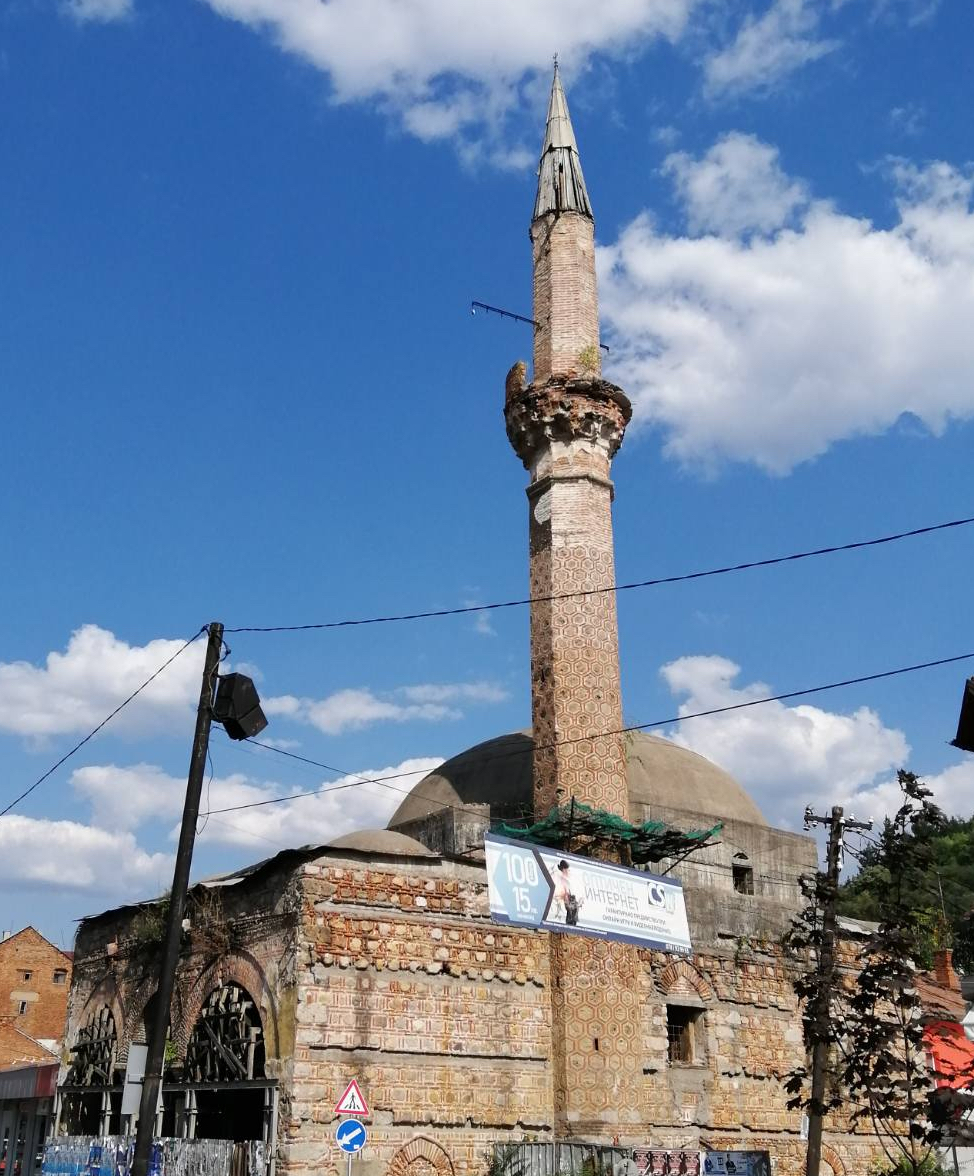
The Fatih Mehmed Mosque in Kyustendil is one of those rare places that seem suspended in time, carrying within its walls the echoes of centuries past. Built in the late fifteenth century, shortly after the Ottoman conquest of the region, it stands as a quiet testament to the layers of history that have shaped the Balkans. This is not just a monument of stone and mortar but a living piece of the past, where the stories of different peoples and cultures intertwine in ways that still resonate today.
From the outside, the mosque appears unassuming, yet there is a quiet strength in its simplicity. Its low whitewashed walls, broad dome resting on sturdy columns, and slender minaret rising above the rooftops are classic features of Ottoman architecture from that era. Inside, the space feels open and serene, with light streaming through tall windows. The walls are adorned with delicate patterns, subtle enough to enhance rather than distract from the sense of calm. Unlike the grand mosques of Istanbul, this one carries no opulence—just a quiet harmony that invites reflection.
The mosque takes its name from Sultan Mehmed II, known as the Conqueror, under whose rule the Ottoman Empire reached its height. In Kyustendil, however, the name feels more local, rooted in the city’s long history as a crossroads of cultures and faiths. For centuries, the mosque was not only a place of worship but also a center of community life, shaping the identity of the town. Even after Bulgaria gained independence from Ottoman rule, the building was preserved, a sign of how deeply it had become woven into the fabric of the city.
Today, the mosque remains active, though the Muslim community in Kyustendil is small. There is a particular atmosphere here—understated yet heavy with memory. Locals treat the place with respect, and visitors who wander in often remark on how it feels as though the past lingers in the air. There are no crowds, no tourist traps, just a quiet sense that time moves differently within these walls.
The mosque has survived earthquakes, a common occurrence in this region, and each time it has been restored to maintain its original character. It does not feel like a museum exhibit but a living part of the city, one that has witnessed change while remaining steadfast. Perhaps that is why it does not feel out of place in Kyustendil but rather like an essential thread in the town’s story.
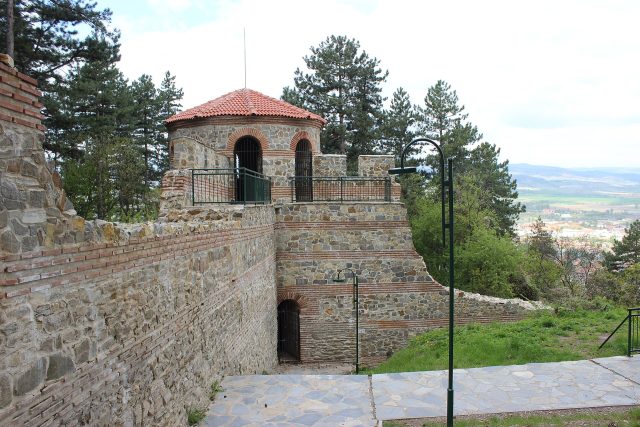
Kyustendil itself is a small city where different eras coexist in surprising harmony. Roman baths stand near Ottoman buildings, and Orthodox churches share the skyline with mosques. In this context, the Fatih Mehmed Mosque becomes a symbol of how cultures can endure side by side without erasing one another. It serves as a reminder that history is rarely simple, and even in its most turbulent chapters, there are places that unite rather than divide.
If you find yourself in Kyustendil, the mosque is worth visiting not just for its architecture but for the sense of place it evokes. It sits in the old town, where narrow streets wind toward small squares and tiled roofs give the area a welcoming feel. The air is often scented with the herbs and flowers for which this region is known, and it is easy to imagine the bustle of caravans, the voices of merchants in the marketplace, and the quiet prayers offered beneath the mosque’s dome.
The Fatih Mehmed Mosque is not a landmark that demands attention but one that quietly persists, a small yet significant part of the city’s ongoing story. Its greatest value may lie in its unassuming presence—proof that the past and present can coexist without conflict, each enriching the other in ways that are felt more than seen.