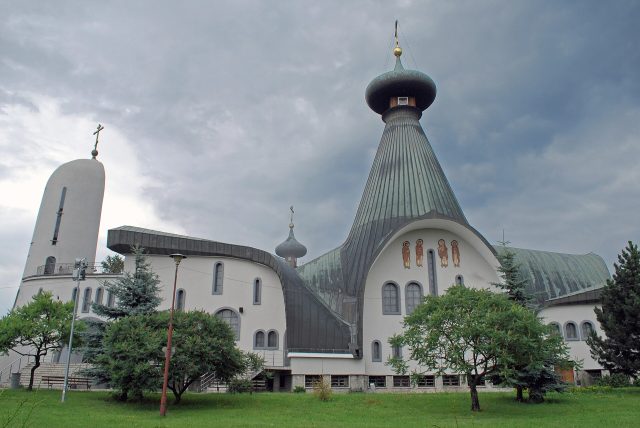
Kyustendil
Bulgaria · 3 places
Photo: Vassia Atanassova - Spiritia, CC BY-SA 3.0
Kjustendil isn’t the kind of place that reveals itself at first glance. Tucked away in southwestern Bulgaria, where the Osogovo Mountains roll into gentle foothills, the town breathes with a quiet rhythm shaped by mild climate and fertile land. There’s no rush here, no crowds jostling for space—just narrow streets lined with old houses, their wooden balconies carved with time-worn patterns, and an unspoken sense that life moves at its own pace. It’s the sort of town that waits patiently for those who appreciate beauty that doesn’t shout, where authenticity lingers in the air like the scent of ripe fruit from nearby orchards.
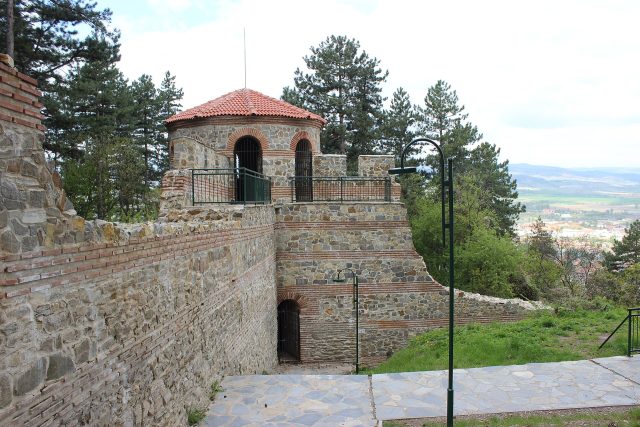
The layers of history here run deep. Long before it became Kjustendil, the area was known as Pautalia, a Roman settlement famed for its thermal springs. Centuries later, it flourished as a medieval trading hub, then fell under Ottoman rule, leaving behind a legacy of bathhouses, mosques, and winding alleys that still whisper of the past. One of the town’s quiet treasures is the Church of St. George, its walls adorned with Byzantine frescoes that seem to glow with the devotion of the artists who painted them. Stepping inside feels like slipping into another era, where faith and art were inseparable.
Beyond its history, Kjustendil is a place where nature takes center stage. The surrounding mountains, blanketed in forests and alpine meadows, offer trails that wind through landscapes untouched by mass tourism. The thermal springs, once sought after by Roman legionnaires and Ottoman pashas, still draw visitors today—not for flashy resorts, but for the simple, restorative power of warm mineral waters. Modern spa complexes blend seamlessly into the scenery, offering relaxation without the fuss, as if the town itself prefers to keep things unhurried.
Life here moves at a leisurely pace. Mornings begin with pensioners gathering in the central square, sipping coffee and sharing stories, while afternoons see the occasional traveler wandering through museums or strolling along tree-lined boulevards. By evening, the streets grow quiet, the only sounds the distant hum of conversation from a café or the rustle of leaves in the breeze. There are no nightclubs or tourist traps, just small, family-run eateries serving homemade pastries and local wine, their tables often filled with regulars who know each other by name. The town is at its loveliest in spring, when blossoms spill over garden walls, or in autumn, when the mountains blaze with gold and crimson.
Kjustendil has no interest in becoming a tourist hotspot, and that’s precisely what makes it special. It remains unapologetically itself—modest, welcoming, and rich in stories that unfold slowly. This is a place for those who seek more than just a destination; it’s for travelers who want to step off the beaten path and discover a side of Bulgaria that exists beyond beaches and resorts. Here, the past feels alive, the present moves gently, and the landscape doesn’t need grand gestures to leave an impression. Sometimes, the quietest places are the ones that stay with you the longest.
See & Do
3 places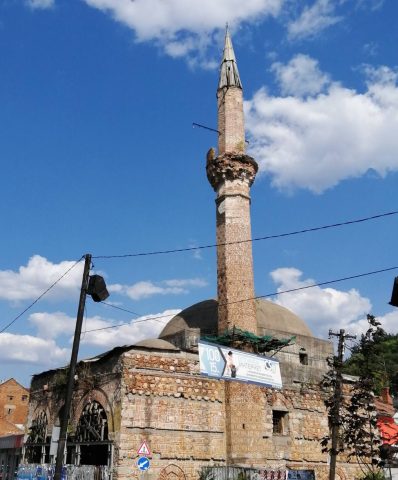

Places on the map
Marker colour follows the categoryClimate and weather
Detailed weather: Kyustendil- Average temperature
- 13 °C
- Precipitation per year
- 699 mm
- Average humidity
- 68 %
- Sunshine hours per day
- 9.9 h
- Time zone
- UTC+3 (GMT+3)
Average air temperature
°C
3
4
9
12
15
22
25
24
20
13
8
4
Jan
Feb
Mar
Apr
May
Jun
Jul
Aug
Sep
Oct
Nov
Dec