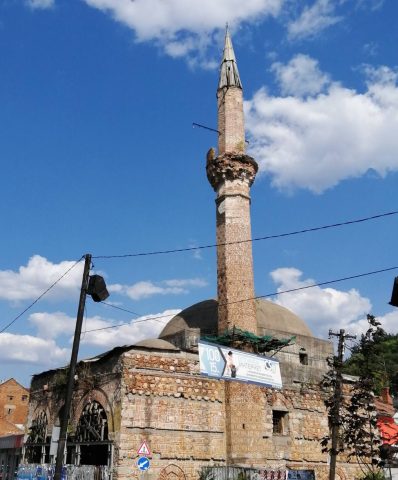
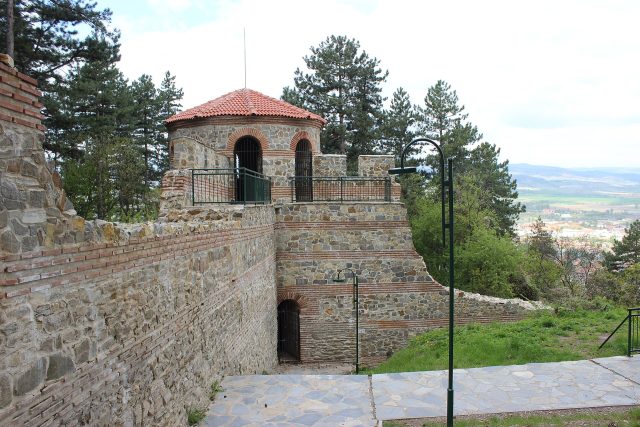
Perched on a gentle hill in the heart of Kyustendil, the Church of St. George feels like a quiet guardian of the past. Its modest stone walls and weathered arches have stood here since the fourteenth century, bearing witness to centuries of change—from the rise and fall of empires to the slow, resilient rebirth of Bulgarian identity. The church is small, almost unassuming at first glance, but its presence lingers in the way the light catches the old frescoes or how the wind carries the echo of footsteps on the worn cobblestones below.
The architecture is a testament to the late Byzantine style that once flourished across the Balkans. Built from a mix of stone and brick, the church’s structure is simple yet enduring, with rounded arches and vaulted ceilings that seem to defy time. Inside, the walls tell stories in faded pigments—fragments of saints and biblical scenes painted by medieval hands. Some faces are barely visible now, their features softened by centuries of candle smoke and damp, but the craftsmanship still shines through in the delicate lines and muted colors. There’s a humility to the space, a sense that beauty here was never meant to be grand, only true.
Kyustendil, known in medieval times as Velbuzhd, was once a thriving hub of trade and culture, and the Church of St. George was at its center. More than just a place of worship, it was a gathering point where merchants haggled over goods, townspeople debated local matters, and families sought refuge during raids. The Ottoman conquest in the late fourteenth century brought profound changes—like so many Bulgarian churches, this one was repurposed as a mosque, its frescoes whitewashed or obscured. Yet when Bulgaria reclaimed its independence in the nineteenth century, the church was restored to its original purpose, becoming a symbol of both faith and national revival.
Today, the church remains an active place of worship, its doors open to those who come to pray or simply to sit in silence. The air inside is thick with the scent of beeswax and incense, and on feast days, the sound of chanting fills the space, blending with the murmur of visitors. The icons that line the walls are older than memory, their gold leaf dulled by time but their expressions still vivid. For locals, the church is more than a landmark; it’s a thread connecting them to generations before, a place where history isn’t just remembered but felt.
The hill on which the church stands is surrounded by the quiet charm of Kyustendil’s old town. Narrow streets wind past houses built in the distinctive style of Bulgaria’s National Revival period, their wooden balconies and pastel facades softened by age. In spring and summer, the scent of blooming lilacs drifts through the air, and the shade of ancient trees offers respite from the sun. It’s a place where time moves slowly—where an afternoon can be spent sipping coffee at a sidewalk table or wandering without hurry, letting the past reveal itself in small details.
What makes the Church of St. George special isn’t its size or grandeur, but its authenticity. There are no gilded domes or elaborate mosaics here, just the quiet dignity of a place that has endured. It doesn’t try to impress; it simply exists, as it has for centuries, a silent witness to the lives that have passed through its doors. For travelers, visiting the church is less about ticking off a sightseeing list and more about stepping into a story that’s still unfolding—one of resilience, faith, and the quiet strength of a community that refuses to let its history fade.
If you find yourself in Kyustendil, it’s worth lingering here a while. Sit on the steps outside and watch the light shift over the rooftops, or step inside and trace the outlines of a saint’s robe with your fingertips. The church doesn’t demand attention, but it rewards those who take the time to notice. In a world that often feels rushed, places like this remind us that some things—like stone, like faith, like the stories we carry—are meant to last.