The Ethnographic Museum in Berat isn’t just a place to see old objects behind glass—it’s a doorway into the city’s past, tucked inside an 18th-century Ottoman mansion that feels as alive as the stories it holds. The building itself is a quiet masterpiece, with thick stone walls, intricately carved wooden balconies, and a central courtyard where a fountain once murmured under the shade of citrus trees. This was the kind of home where Berat’s merchant families lived during the city’s golden age, when it thrived as a cultural crossroads under Ottoman rule. The museum opened here in the 1960s, but its collection had been growing for decades, gathering the everyday tools, crafts, and traditions that shaped life in the region for centuries.
Stepping inside feels less like entering a museum and more like wandering into someone’s home, frozen in time. The ground floor was where the practical work of life happened. The kitchen, with its low ceiling and soot-stained walls, still holds clay pots and copper cauldrons, their surfaces darkened by generations of use. Nearby, storerooms display wooden chests for grain and olive oil, their lids worn smooth by hands long gone. The workshop area is particularly striking—a loom stands ready for weaving, a potter’s wheel waits for clay, and metalworking tools hint at the skills that once sustained the city. Even the smallest details tell a story, like the traditional *furna* ovens where families baked bread or the simple oil lamps that flickered in the evenings, casting long shadows on the walls.
Upstairs, the rooms shift from work to rest, and the atmosphere softens. Here, the museum has recreated the living spaces of a well-to-do family from the past. The sitting room is furnished with low divans draped in embroidered cushions, the walls hung with handwoven rugs whose patterns have faded with time. In the bedroom, a wooden bed with carved headboards stands beside a dowry chest, its contents long since dispersed. A cradle, suspended from the ceiling by ropes, sways slightly in the draft, as if a child had just been lifted from it. Every object carries meaning—the embroidered tablecloths and towels that girls spent years preparing for their weddings, the silver-buckled belts that marked a man’s status, the delicate lace that trimmed a bride’s veil. The guest room, where important visitors were received, is the most elaborate, its furnishings designed to impress. The care put into these details reflects the Albanian value of hospitality, a tradition that still lingers in the city today.
One of the museum’s most compelling sections is its collection of traditional clothing. The garments on display aren’t just costumes; they’re a visual record of social roles, regional identities, and the slow evolution of style. Women’s dresses, made from heavy silk or cotton and embroidered with gold thread, were worn for weddings and festivals, their weight and ornamentation signaling the wearer’s wealth. Men’s vests, often adorned with intricate stitching, were paired with wide sashes and silver accessories. Even head coverings varied—married women wore different styles than unmarried girls, and city dwellers dressed differently from villagers. Berat’s clothing was particularly distinctive, blending Ottoman influences with local motifs to create something uniquely its own. Seeing these pieces side by side, it’s easy to imagine the hands that stitched them, the occasions they were worn for, and the lives they outlasted.
Beyond household items, the museum also preserves the tools and creations of Berat’s artisans. The city has long been known for its craftsmen—potters, jewelers, blacksmiths, and weavers whose work was once essential to daily life. The exhibits include ceramics decorated with the city’s signature patterns, silver jewelry worn by women for special occasions, and even old coins that once changed hands in the marketplace. But the most striking pieces are the examples of woodcarving: doors, window frames, and furniture adorned with elaborate designs. These weren’t just functional objects; they were works of art, reflecting the skill and creativity of the people who made them. Seeing them up close, it’s clear how deeply craftsmanship was woven into the fabric of life here—how even the most ordinary household items were made with care and pride.
The museum isn’t just a static display; it’s a place where the past is kept alive. Occasionally, visitors can watch demonstrations of traditional crafts—potters shaping clay, weavers at their looms, or artisans carving wood. These aren’t just performances for tourists; they’re efforts to preserve skills that might otherwise disappear. In recent years, there’s been a renewed interest in these crafts, and museums like this one play a crucial role in passing them on. For many visitors, these encounters are revelatory. It’s one thing to see a finished product behind glass; it’s another to watch someone create it, to understand the time and patience involved, and to realize that every object has a human story behind it.
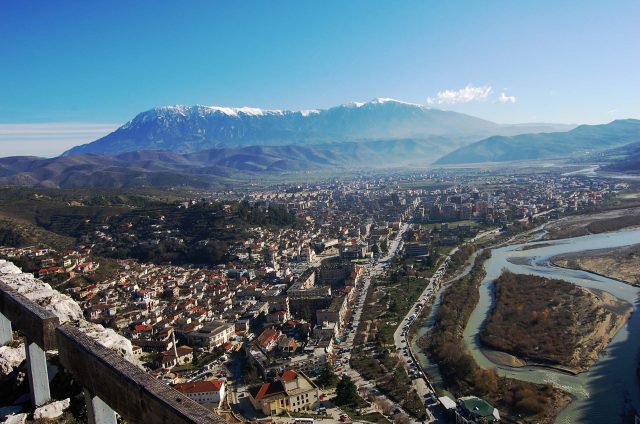
Berat itself is a city that feels suspended in time. Often called the "city of a thousand windows" for its white Ottoman houses cascading down the hillsides, it’s a place where layers of history are visible at every turn. Byzantine churches stand near Ottoman mosques, and narrow cobblestone streets wind past houses that have been lived in for centuries. The Ethnographic Museum is more than just a stop on a tourist itinerary; it’s a thread in the larger tapestry of the city’s past. Walking through its rooms, you can’t help but wonder about the lives that unfolded here—the families who cooked in that kitchen, the children who played in that courtyard, the guests who were welcomed into that sitting room. How many stories are still hidden within these walls? How much more is there to learn about the people who shaped this place?
Visiting the museum is a quiet experience. There are no crowds, no loud announcements, just the creak of wooden floors and the faint scent of aged wood and beeswax. Time seems to slow down here, as if the building itself is holding its breath. That’s part of the appeal—this isn’t a place you rush through. You linger in the rooms, noticing details you missed the first time: the way the light falls on a carved doorframe, the texture of a handwoven rug, the faint marks of wear on a wooden spoon. For many, it’s the kind of place you return to, not because you’ve forgotten something, but because you want to feel that connection again—the sense that the past isn’t as distant as it seems. In a world that moves too fast, the Ethnographic Museum offers a rare chance to pause and listen to the echoes of another time.