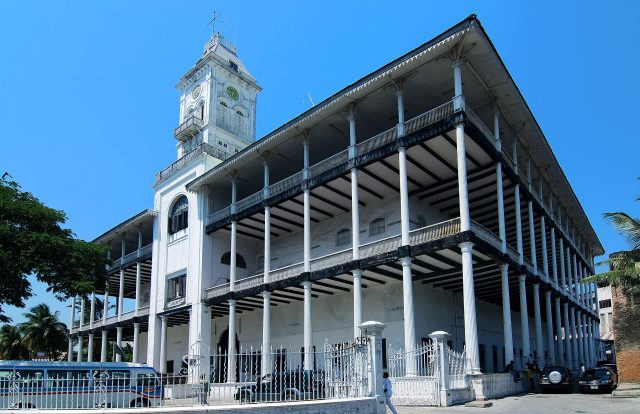
Stone Town’s Sultan’s Palace, known locally as the Hamamni Persian Baths, stands as one of the most intriguing buildings in Zanzibar’s historic heart. Built in the late 19th century for Sultan Barghash bin Said, it was designed to reflect both the grandeur of his rule and the practical needs of a leader whose influence stretched across trade routes linking Africa, Arabia, and India. The palace wasn’t just a residence—it was a statement, a place where power was displayed through architecture and where the daily life of the island’s elite unfolded behind ornate facades.
The building’s design is a testament to Zanzibar’s layered history. Arab, Indian, and European influences merge seamlessly in its structure, a reflection of the island’s role as a crossroads of cultures. The exterior is adorned with intricately carved wooden balconies and latticework, typical of Stone Town’s architecture, while inside, high ceilings and spacious halls create an air of openness. The most striking feature, however, lies in its name: *Hamamni* means "the baths," a nod to the palace’s advanced plumbing system. At the time of its construction, running water and proper sanitation were rare luxuries, making this one of the first buildings in Zanzibar to incorporate such modern conveniences.
The palace’s history is as complex as the island itself. After the sultanate was overthrown in 1964, the building took on new roles—first as a government office, then as a museum. Today, parts of it remain open to visitors, offering a glimpse into the lives of Zanzibar’s rulers. Exhibits include period furniture, photographs, and personal items that belonged to the sultans, but the most compelling displays are those that reveal the blend of local and foreign influences. Clothing, jewelry, and household objects show how Swahili traditions intertwined with Persian, Indian, and even Victorian styles, creating a unique aesthetic that defined the island’s elite.
Walking through the palace feels like stepping into another era. The narrow corridors, cool inner courtyards, and shafts of light filtering through tall windows create an atmosphere of quiet elegance. It’s easy to imagine the bustle of servants moving through the halls or the murmur of diplomats gathered in the grand reception rooms. Yet the building doesn’t feel like a relic—it’s still very much alive, with traces of modern life lingering in its corners. Some rooms remain in use, and the occasional sound of footsteps or voices reminds you that this place is more than just a museum.
Beyond its architectural beauty, the palace played a crucial role in Zanzibar’s political history. In the 19th century, the island was a hub of commerce, where Omani, Indian, and European traders converged. The sultans controlled not just Zanzibar but much of the East African coast, and their palaces were centers of diplomacy and intrigue. Hamamni was built to project Sultan Barghash’s power, a symbol of his ambition to dominate regional trade and assert his authority in dealings with European powers. Here, deals were struck, alliances formed, and the fates of countless people tied to the spice and slave trades were decided.
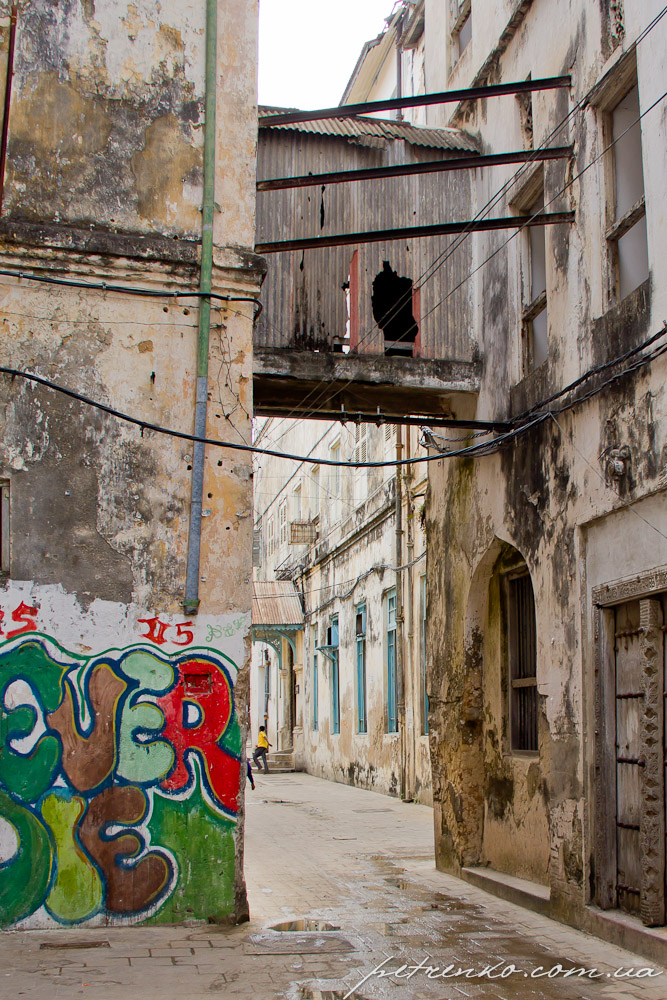
Today, the palace is part of Stone Town’s living fabric. The old quarter itself is a maze of narrow streets and historic buildings, and Hamamni fits naturally into this setting. Visitors can explore the palace and then wander through the surrounding area, where other landmarks—the Old Fort, the former slave market, and the bustling bazaars—paint a fuller picture of Zanzibar’s past. The pace here is unhurried, as if time has settled into the worn stones and wooden balconies, each one holding stories of the people who once walked these streets.
For those drawn to history, Hamamni offers a rare chance to connect with an era when Zanzibar was one of the most influential places in the Indian Ocean. There are no elaborate reconstructions or theatrical displays—just the building itself, with its original walls, furnishings, and the quiet echoes of the past. It’s a place where history feels tangible, not just something read about in books. At the same time, the palace isn’t frozen in time. It remains a part of the city’s daily life, a reminder that the past isn’t just something we look back on—it’s still here, shaping the present in ways both seen and unseen.