The Sultan’s Palace in Abuja is where history lives beyond glass cases and textbooks. It marks Nigeria’s cultural and political shifts, especially for the Muslim north. The palace is not just a home—it remains a working institution, a hub of tradition that has grown alongside modern Nigeria.
Constructed in the late 20th century, the palace mirrors the relocation of power from Sokoto to Abuja. When Nigeria’s capital moved from Lagos in 1991, the Sultanate—one of West Africa’s most enduring traditional institutions—followed. The Abuja palace became a second seat, alongside the historic Sultan’s Palace in Sokoto, which still serves as the spiritual and cultural core of the Sokoto Caliphate. This dual presence shows how the Sultan balances tradition and national influence.
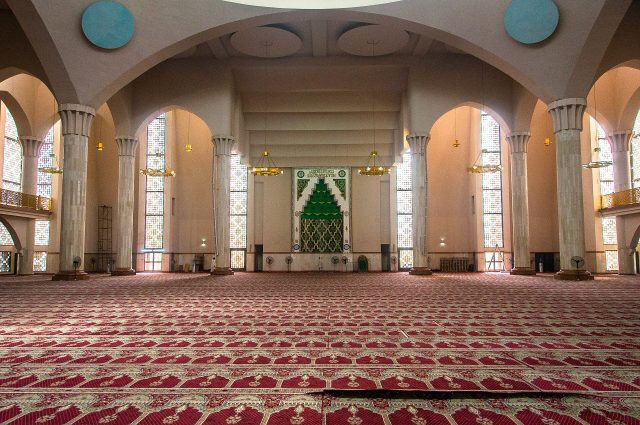
The architecture mixes Islamic design with Nigerian modernism. The buildings are understated but dignified: whitewashed walls, arched windows, and courtyards that slow time. Unlike the elaborate palaces of other rulers, this one serves governance and diplomacy. The layout follows Islamic principles—separate spaces for public audiences, private quarters, and administration. The design reflects the Sultan’s role as a leader who connects past and present.
For many Nigerians, especially in the north, the palace is a thread of cultural continuity. The Sultan of Sokoto, also Sultan of Abuja, is the spiritual leader of Nigeria’s Muslims. The Abuja palace doesn’t host daily ceremonies like Sokoto, but it remains a venue for meetings, religious events, and cultural gatherings. During Eid, it becomes a center for prayers and celebrations, drawing people from the city and beyond.
The palace’s location in Abuja highlights its political weight. Here, traditional authority meets national governance. The Sultan engages with officials, religious leaders, and foreign dignitaries, mediating conflicts, fostering interfaith dialogue, and advocating for unity. This dual role—guardian of tradition and participant in national discourse—sets the palace apart in Nigeria’s political landscape.
Visitors won’t find a museum or tourist attractions. No guided tours, no gift shops, no displays of artifacts. Instead, the palace reveals itself in small moments: guards at the gates, officials arriving for meetings, quiet courtyards. These details hint at its ongoing role in Nigerian life. For those who look, the palace shows how tradition persists in a country where modernity and heritage often clash.
The area around the palace feels different from the rest of Abuja. No crowds, no noise. People come to pay respects, seek advice, or reflect on tradition’s place in a fast-changing society. The gardens and shaded walkways offer a rare calm in a city driven by energy.
For outsiders, the palace may not stand out like famous landmarks. Its importance lies in what it represents. Nigeria’s identity isn’t just shaped by cities and politics—it’s also built on traditions that have endured for centuries. The palace doesn’t demand attention. It simply exists, a steady presence in a country always moving forward.