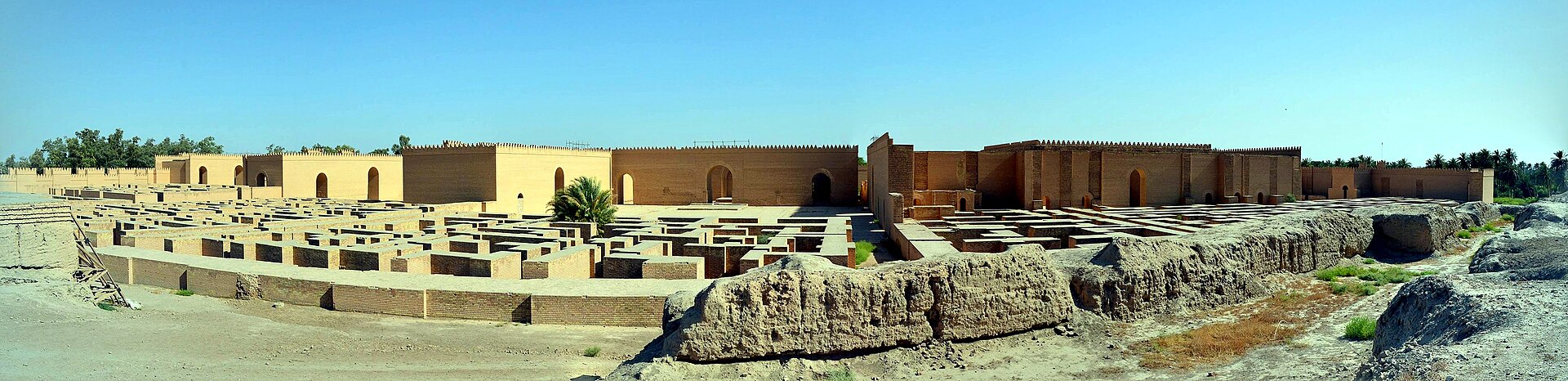
Standing among the ruins of Nebuchadnezzar II’s palace, you can almost hear the echoes of a world that once shaped human civilization. Built in the sixth century BCE, this was the political and ceremonial heart of Babylon, a city that dominated the ancient Near East. The site still carries the weight of its past—a place where kings ruled over vast empires, where diplomats from distant lands negotiated, and where power was etched into stone.
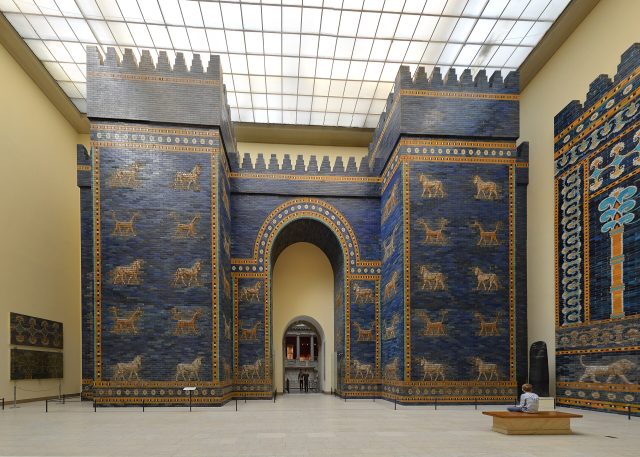
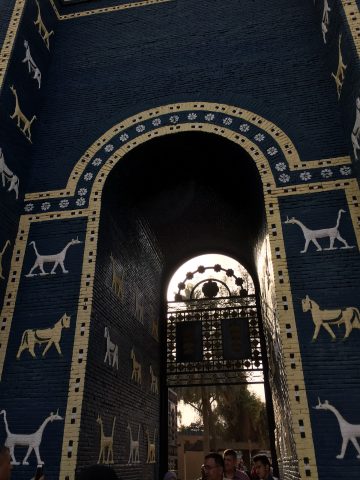
The palace was a statement. Nebuchadnezzar II, known for his ambitious building projects, designed it to reflect Babylon’s might. The walls were adorned with glazed bricks, their surfaces depicting lions, dragons, and bulls—symbols of divine protection and royal authority. Some of these reliefs survive, showing the opulence that once defined the palace. Each tile was carefully placed to create an effect under the Mesopotamian sun.
The layout was complex. Multiple courtyards, halls, and private chambers surrounded a central core. The main entrance led to an inner courtyard, then to the throne room—where the king held court, received envoys, and made decisions that shaped his empire. Inscriptions on the walls praised Nebuchadnezzar’s achievements. Beyond ceremonies, the palace oversaw territories from the Persian Gulf to the Mediterranean.
Nearby stood the Etemenanki ziggurat, the Tower of Babel. Nebuchadnezzar completed its construction, a structure so ambitious it became a symbol of human aspiration. Its ruins, now just a foundation, evoke the legend of a tower meant to reach the heavens. The palace and ziggurat were separate but intertwined—both representing Babylonian ambition.
The palace endured upheaval. After Babylon’s fall, it was looted and left to decay. Persian, Greek, Arab, and Mongol empires passed through, each leaving marks, but none erased its memory. By the 19th century, much had crumbled. Archaeologists like Robert Koldewey pieced together fragments of walls, column bases, and remnants of reliefs.
The site is quiet today. No crowds, no loudspeakers—just desert stillness and wind through the ruins. Walking among the broken stones, you imagine the palace as it was: a place of power and daily life.
The throne room, now an outline in the earth, was where kings made history-altering decrees. Private chambers, long collapsed, once housed the ruler’s family and advisors. Even fragments of pottery or brick carry stories of the people who lived here.
Babylon’s legacy extends beyond its remains. The city appears in religious texts, myths, and collective memory. The Tower of Babel, the Hanging Gardens (if they stood here), and the name Babylon symbolize human achievement and hubris. Nebuchadnezzar’s palace is a tangible connection to that past, where history feels immediate.
Visiting is humbling. No reconstructions, no modern interpretations—just raw remnants of a civilization that shaped the world. The site doesn’t offer easy answers, but it provides continuity. Here, the past isn’t just remembered; it’s felt. The stones beneath your feet have witnessed empires rise and fall, countless lives pass, and human ambition endure. In that quiet expanse, you reflect on how fleeting even the greatest legacies can be—and how remarkable it is that some still remain.