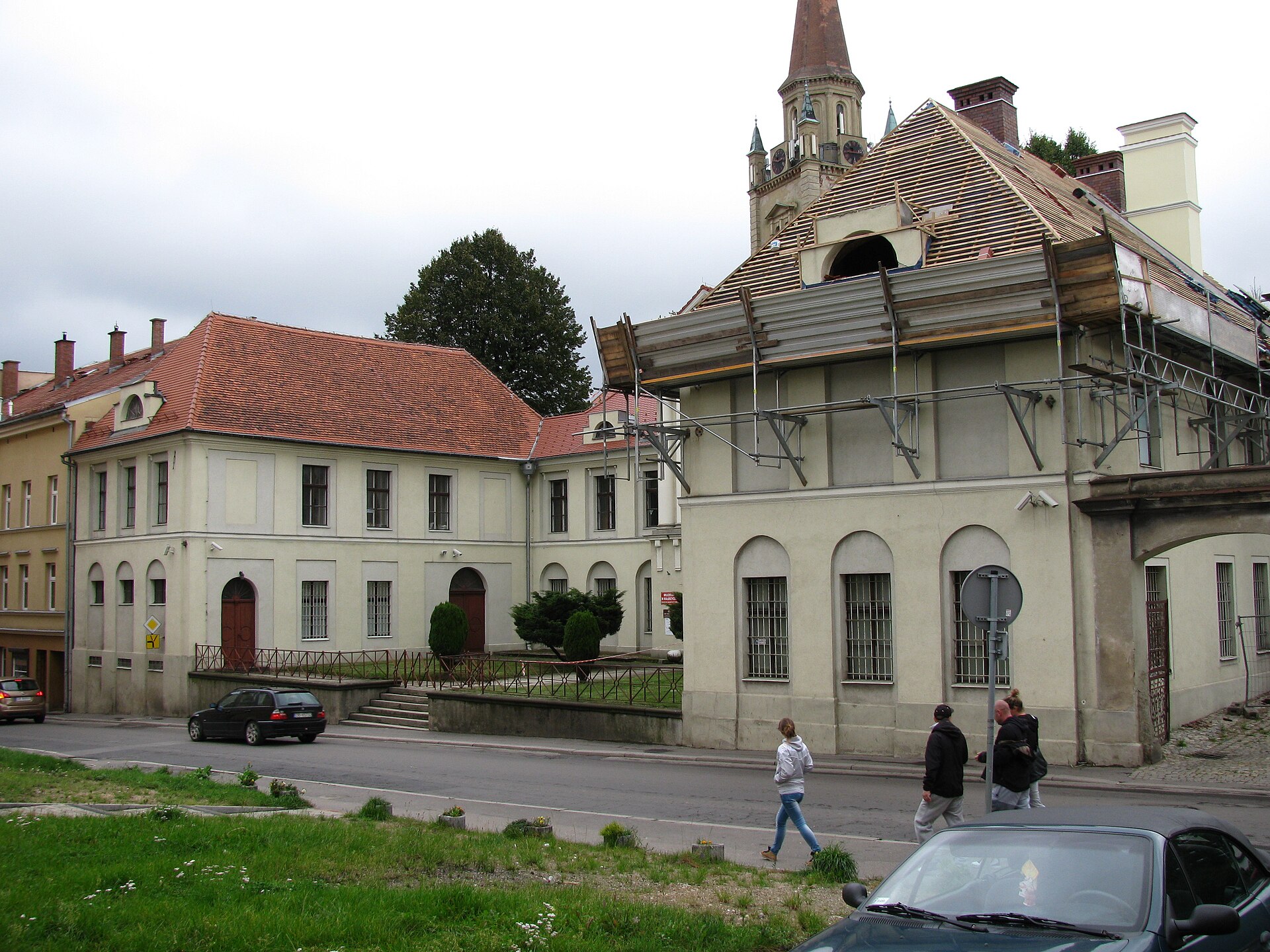
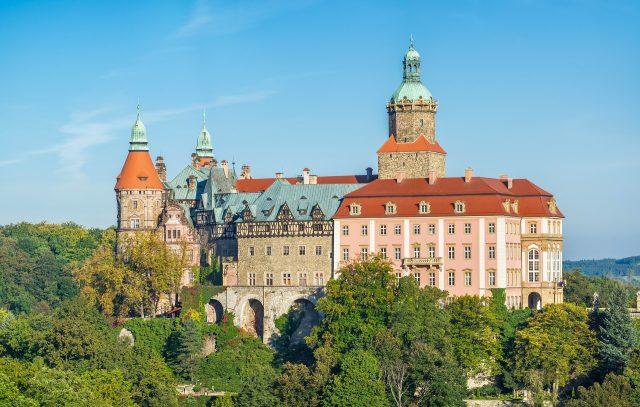
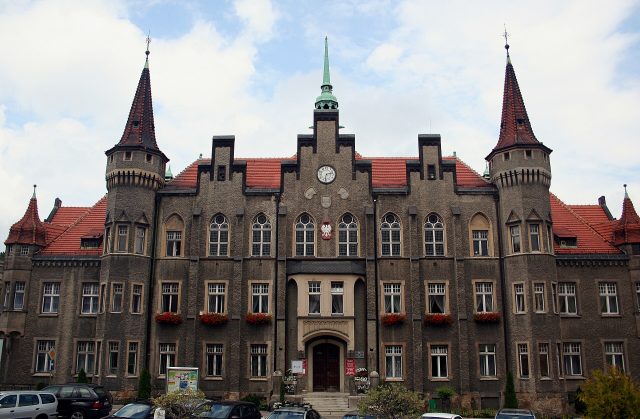
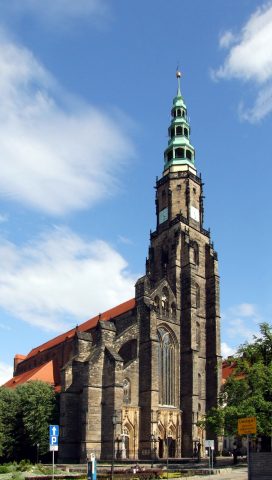
Nestled in the quiet city of Wałbrzych, the Alberti Palace stands as a quiet witness to the shifting tides of history in Lower Silesia. Built in the eighteenth century, it was conceived during a time when the region flourished under the influence of aristocratic families and burgeoning industry. The palace wasn’t just a home—it was a statement, a symbol of wealth and refinement in a landscape shaped by coal mines and textile mills. Over the centuries, it has seen wars, economic booms and busts, and countless changes in ownership, yet it retains an air of timeless elegance, as if the walls themselves remember the conversations, laughter, and music that once filled its rooms.
The architecture of the palace is a harmonious blend of Baroque and Neoclassical styles, reflecting the tastes of the era when Silesia was a melting pot of cultural influences. The façade is marked by symmetrical columns, tall arched windows, and delicate balustrades, all designed to impress. Inside, the grandeur continues with ornate stucco work, frescoes, and period furniture that transport visitors to a different age. The grand hall, once the stage for lavish balls and receptions, still seems to echo with the rustle of silk gowns and the strains of a string quartet. Outside, the English-style park offers a peaceful retreat, with winding paths, tranquil ponds, and mature trees that invite leisurely strolls or moments of quiet reflection.
The palace’s history is deeply intertwined with the Alberti family, whose name it bears. Originally built for a wealthy industrialist, it became a center of social life in Wałbrzych during the city’s industrial heyday. Later, it served various roles—a military headquarters during turbulent times, a hospital in the aftermath of war, and even a school. Each chapter of its past left its mark, yet the building never lost its aura of prestige. After World War II, like many historic structures in the region, it fell into disrepair, but careful restoration has since revived its former splendor, allowing it to stand once more as a proud landmark.
Today, the Alberti Palace is open to the public, offering more than just a glimpse into the past. The interiors host exhibitions that explore the history of the region, from its industrial roots to its cultural evolution. Classical music concerts and occasional weddings breathe new life into the old halls, creating a bridge between the past and present. The palace is particularly enchanting in the warmer months, when the park is in full bloom and the evening lights cast a soft glow on the façade, turning the building into a living painting. It’s a place where history isn’t just preserved—it’s experienced.
Wałbrzych may not be the first city that comes to mind when thinking of Polish tourism, but that’s part of its charm. Unlike more crowded destinations, it offers a slower pace, where visitors can explore without the pressure of itineraries or crowds. The Alberti Palace embodies this unhurried spirit. There’s no need to rush through its rooms or snap endless photos—here, you can simply wander, letting the atmosphere sink in. The quiet rustle of leaves in the park, the creak of an old floorboard underfoot, or the play of light through a stained-glass window can feel like a conversation with the past.
For those with an interest in architecture, the palace is a fascinating study in how styles evolve. The Baroque flourishes of the exterior give way to the more restrained elegance of Neoclassicism inside, while later additions hint at the practical needs of different eras. Even if you’re not an expert, the craftsmanship is impossible to ignore—the intricate woodwork, the delicate frescoes, the way light filters through the tall windows to illuminate the details. It’s a reminder that beauty wasn’t just for show; it was a way of life, a daily celebration of art and refinement.
The palace also offers a window into the broader story of Silesia, a region shaped by the interplay of Polish, German, and Czech influences. This cultural crossroads left its mark on everything from the local cuisine to the architecture, and the Alberti Palace is no exception. Walking through its halls, you can sense the layers of history—the industrialists who built it, the soldiers who occupied it, the students who once filled its rooms. It’s a place where the past isn’t just remembered; it’s felt, in the texture of the walls, the scent of old wood, and the way the light falls just so.
If you find yourself in Wałbrzych, take a moment to visit the Alberti Palace, even if just for a short while. You don’t need to spend hours inside to appreciate it—sometimes, the most memorable experiences come from the simplest things. A walk through the park, a pause by the pond, or even a glance at the façade from across the street can be enough. The palace doesn’t demand attention; it earns it, quietly, through its presence and the stories it holds. In a world that often feels rushed, it’s a reminder that some things are worth slowing down for.