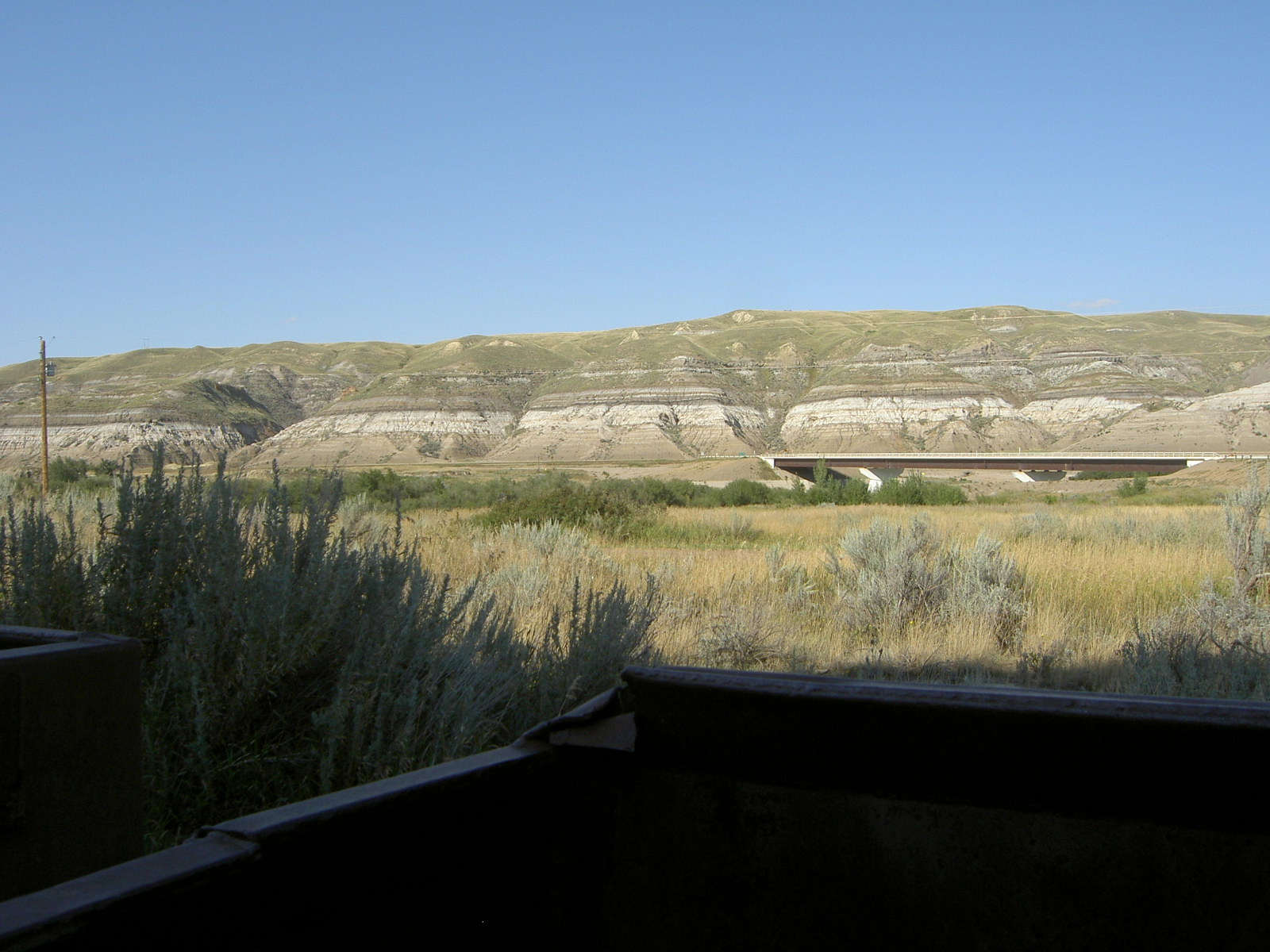
Drumheller Valley is one of those places where the land itself tells a story—one that unfolds slowly, layer by layer, like the sedimentary rock that shapes its hills. Tucked into the heart of Alberta, this stretch of badlands and rolling prairie feels suspended in time, far from the hum of highways and the glare of city lights. The landscape here isn’t just scenery; it’s a record of ancient rivers, shifting climates, and the quiet persistence of life in a place that has seen everything from towering dinosaurs to coal-fueled boomtowns.
The most striking feature of the valley is its otherworldly rock formations, sculpted over millions of years by wind and water. The most famous of these are the hoodoos—tall, spindly spires of sandstone capped with harder rock, standing like sentinels over the valley floor. They’re fragile, constantly eroding, yet they’ve endured long enough to witness the rise and fall of entire civilizations. On a clear morning, their shadows stretch across the earth like fingers, while at dusk, the setting sun turns them to gold, as if the land itself is catching fire. These formations aren’t just geological curiosities; they’re a reminder of how fleeting even the most solid things can be.
Long before European settlers arrived, this land was home to Indigenous peoples who saw it as more than just a place to live. The Blackfoot, Cree, and other nations moved through these valleys for generations, hunting, trading, and passing down stories that wove the landscape into their culture. Later, in the late 1800s, homesteaders began trickling in, drawn by the promise of fertile soil and open space. But it was coal that truly transformed the valley. By the early 20th century, Drumheller had become a rough-and-tumble mining town, its streets lined with saloons, boarding houses, and the constant clatter of railcars hauling black gold to the rest of the country.
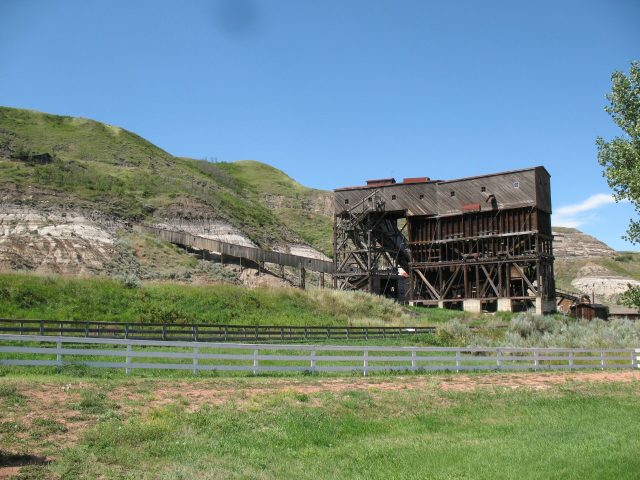
The scars of that era are still visible if you know where to look. Abandoned mine shafts dot the hillsides, their wooden supports sagging under decades of neglect. Rusting machinery lies half-buried in the dirt, and entire ghost towns—like the one at Atlas Coal Mine—stand frozen in time, their empty buildings a testament to the lives of the men who once worked underground. Today, some of these sites have been preserved as open-air museums, offering a glimpse into the harsh realities of mining life. Walking through the old tunnels, where the air is thick with the scent of damp earth, it’s impossible not to feel the weight of history pressing in from all sides.
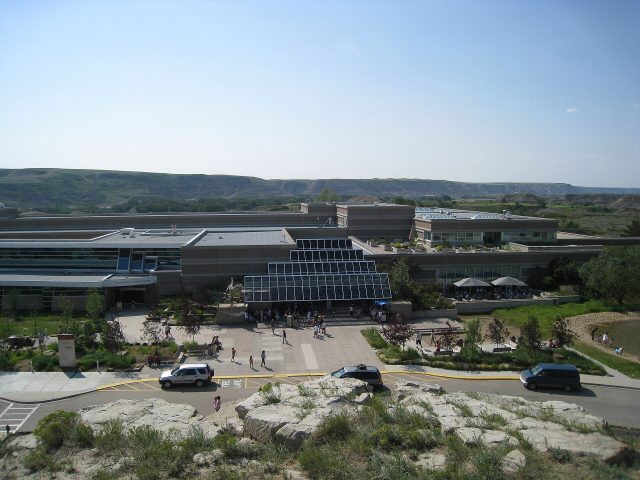
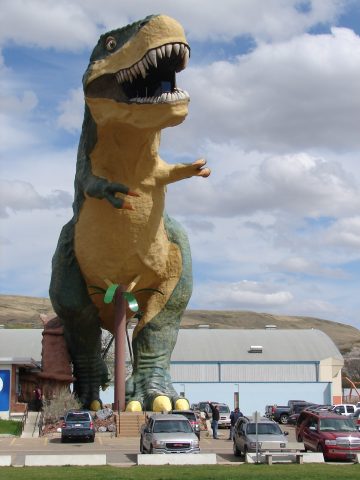
But the valley’s story isn’t just about coal. Millions of years before miners arrived, this was the domain of dinosaurs. The region is one of the richest sources of fossils in the world, and the Royal Tyrrell Museum in Drumheller brings that prehistoric past to life. Inside, towering skeletons of tyrannosaurs and triceratops loom over visitors, while interactive exhibits let you peer into the eyes of a creature that hasn’t walked the earth in 65 million years. For kids, it’s a playground of discovery; for adults, it’s a humbling reminder of how brief humanity’s time on this planet has been.
Beyond the museum, the valley offers quieter pleasures. The Red Deer River cuts through the badlands, its waters carving a path that humans have used for centuries. In the early 1900s, a canal was built to transport coal, but today, its banks are a place for leisurely strolls and picnics. Locals walk their dogs along the water, while tourists pause to watch the light dance on the surface. In summer, the air is thick with the scent of sagebrush and wildflowers, and the only sounds are the rustle of cottonwood leaves and the occasional call of a meadowlark.
What makes Drumheller Valley special isn’t its grand monuments or flashy attractions. It’s the way the past and present coexist here, not as separate chapters but as overlapping layers. The same land that once echoed with the roars of dinosaurs later rang with the shouts of miners, and now hums with the quiet conversations of visitors sipping coffee in a downtown café. The people who live here—many of them descendants of those early settlers—take pride in their history, and it’s not uncommon to strike up a conversation with a local who’ll happily share stories about the valley’s heyday or point you toward a hidden trail.
For those who prefer to explore under their own power, the valley offers plenty of ways to do it. Hiking and biking trails wind through the badlands, past hoodoos and along riverbanks, with options for every skill level. One of the most popular routes takes you right to the base of the hoodoos, where the sheer scale of the formations makes you feel small in the best possible way. In winter, the same trails become paths for snowshoers and cross-country skiers, while autumn turns the cottonwoods into a blaze of yellow and orange, their leaves crunching underfoot like brittle paper.
There’s something deeply satisfying about a place that doesn’t try too hard to impress you. Drumheller Valley doesn’t have the dramatic peaks of the Rockies or the cosmopolitan energy of Calgary, but that’s precisely why it lingers in the memory. It’s a place where you can stand in the middle of a field, surrounded by nothing but sky and stone, and feel the weight of time pressing down on you—not in a suffocating way, but in a way that makes the present moment feel all the more precious. It’s the kind of place that doesn’t just fill your camera roll; it stays with you long after you’ve left.