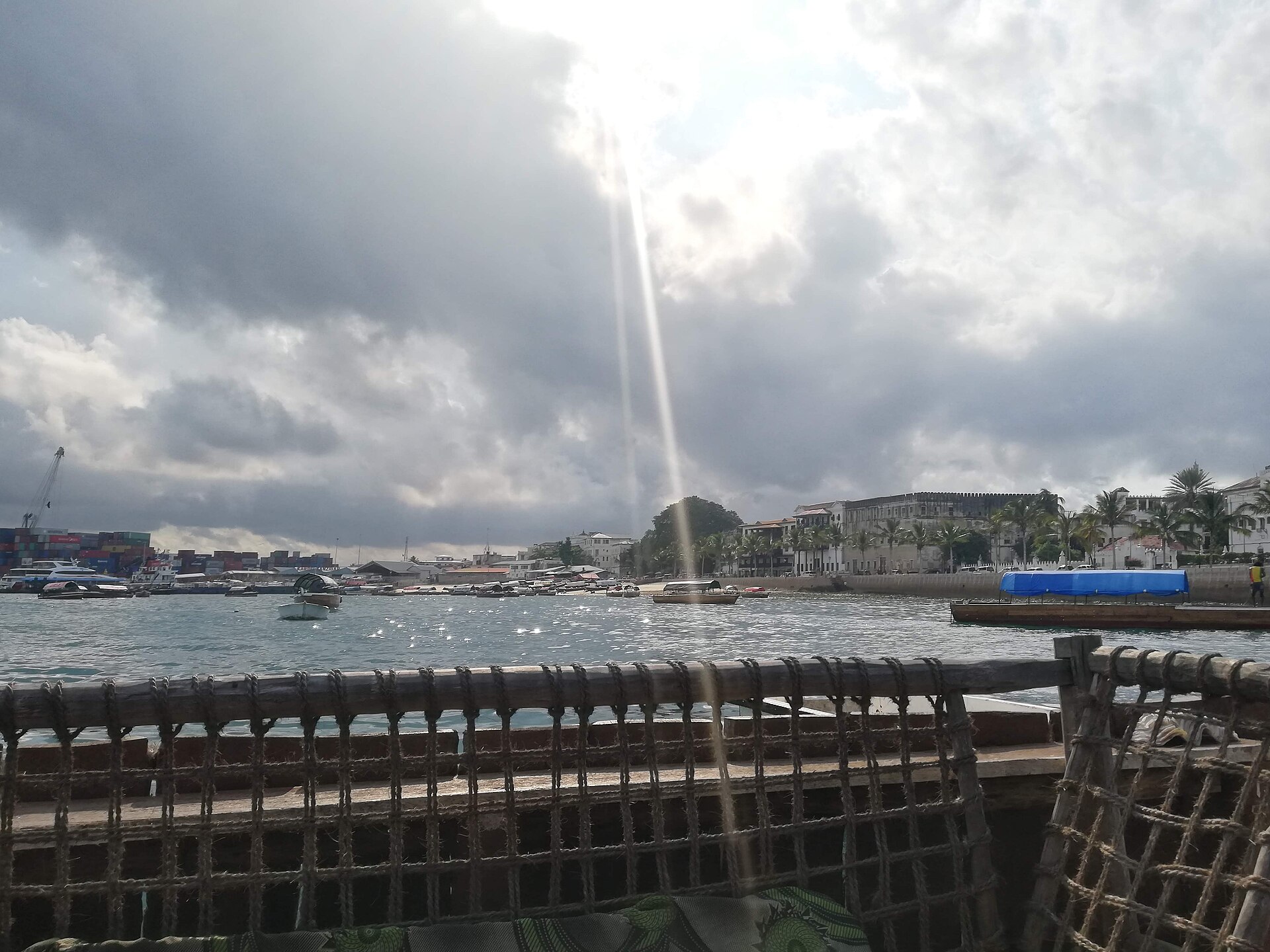
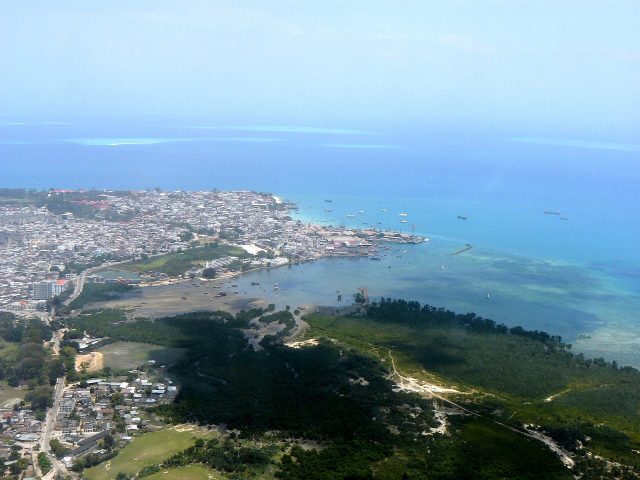
The House of Wonders stands near the waterfront in Stone Town, Zanzibar’s historic heart, where the Indian Ocean meets the labyrinth of coral-stone alleys. Built in 1883 as a ceremonial palace for Sultan Barghash bin Said, it was the first building on the island to have electricity and an electric elevator—hence the name, though locals also call it *Beit-al-Ajaib*, a nod to its grandeur. The structure was meant to impress, and it still does, rising above the surrounding rooftops with its whitewashed façade and tall, arched verandas. For decades, it served as a symbol of Zanzibar’s prosperity during the clove trade, when the island was one of the world’s leading producers of the spice.
The architecture blends Omani, Indian, and European influences, a reflection of Zanzibar’s layered history. The ground floor features thick coral rag walls, a traditional material that keeps interiors cool in the tropical heat, while the upper floors are wrapped in wide, shaded verandas supported by cast-iron columns shipped from Britain. Inside, the rooms are spacious, with high ceilings and large windows that once framed views of the sultan’s dhows gliding into the harbor. The building’s most striking feature, though, is its central courtyard, open to the sky and surrounded by galleries where the sultan’s guests would gather for receptions.
Over the years, the House of Wonders has worn many roles. After the sultanate ended in 1964, it became a government office, then a school, and later a museum. The exhibits inside trace Zanzibar’s history, from its days as a Swahili trading post to its time under Omani rule and its brief period as a British protectorate. Displays include old photographs, traditional dhow models, and artifacts from the clove and ivory trades. One of the most intriguing pieces is a wooden door carved with intricate geometric patterns, a style that once adorned many of Stone Town’s merchant houses before modern development took its toll.
The building hasn’t always fared well. Time, salt air, and neglect have left their marks—peeling paint, crumbling plaster, and rusted railings. In 2012, part of the roof collapsed, and though repairs were made, the structure still bears the scars of its age. Yet there’s something fitting about its worn elegance. The House of Wonders feels like a place that has witnessed too much to be polished into perfection. The creak of the old wooden floors, the way sunlight slants through the verandas in the late afternoon, the distant sound of waves against the seawall—all of it carries the weight of history.
Visiting today, you might find the museum closed for renovations, or open only in parts. The staff, if present, are usually more concerned with keeping the place standing than with guiding tourists. But that doesn’t diminish the experience. The real draw is the building itself, its presence in the landscape, the way it anchors the waterfront. From the outside, it’s best seen in the early morning or at dusk, when the light softens the decay and the sea breeze stirs the palm trees nearby. The square in front, *Mizingani Road*, is a good place to linger, watching fishermen mend their nets or children playing football between the parked cars.
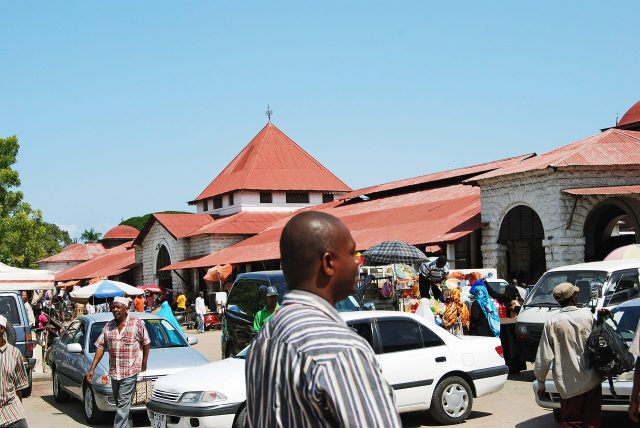
The House of Wonders is also a quiet witness to Zanzibar’s social shifts. In the 19th century, it was a place of power, where sultans entertained foreign dignitaries and local elites. Later, it became a backdrop for the island’s struggles—colonial rule, revolution, and the slow erosion of its old ways. Today, Stone Town is a UNESCO World Heritage site, and the building is one of its most photographed landmarks. Yet it’s not just a relic. The square in front is still a gathering place, where vendors sell fresh mangoes and young men lounge on the seawall, scrolling through their phones. The past and present coexist here, sometimes uneasily.
If you walk around to the back of the building, you’ll find a small garden where the sultan’s private quarters once stood. The area is overgrown now, with bougainvillea spilling over the walls and the occasional stray cat napping in the shade. From here, you can see the old Arab Fort next door, its thick walls a stark contrast to the House of Wonders’ airy verandas. The two buildings tell different stories—one of defense, the other of display—but together they form the core of Stone Town’s identity. The fort, with its battlements and cannons, speaks of conflict; the House of Wonders, with its open galleries and faded opulence, speaks of ambition.
There’s no grand narrative to tie it all together, no neat conclusion about what the House of Wonders means. It’s a place that resists easy interpretation. Some see it as a monument to Zanzibar’s golden age, others as a reminder of colonial excess. For many locals, it’s simply part of the backdrop of daily life, a familiar landmark that’s always been there. What’s certain is that the building has outlasted the empire that built it, the revolutions that reshaped the island, and the tourists who now flock to its steps. It endures, not as a museum piece, but as a living fragment of history, still standing where the ocean meets the city.