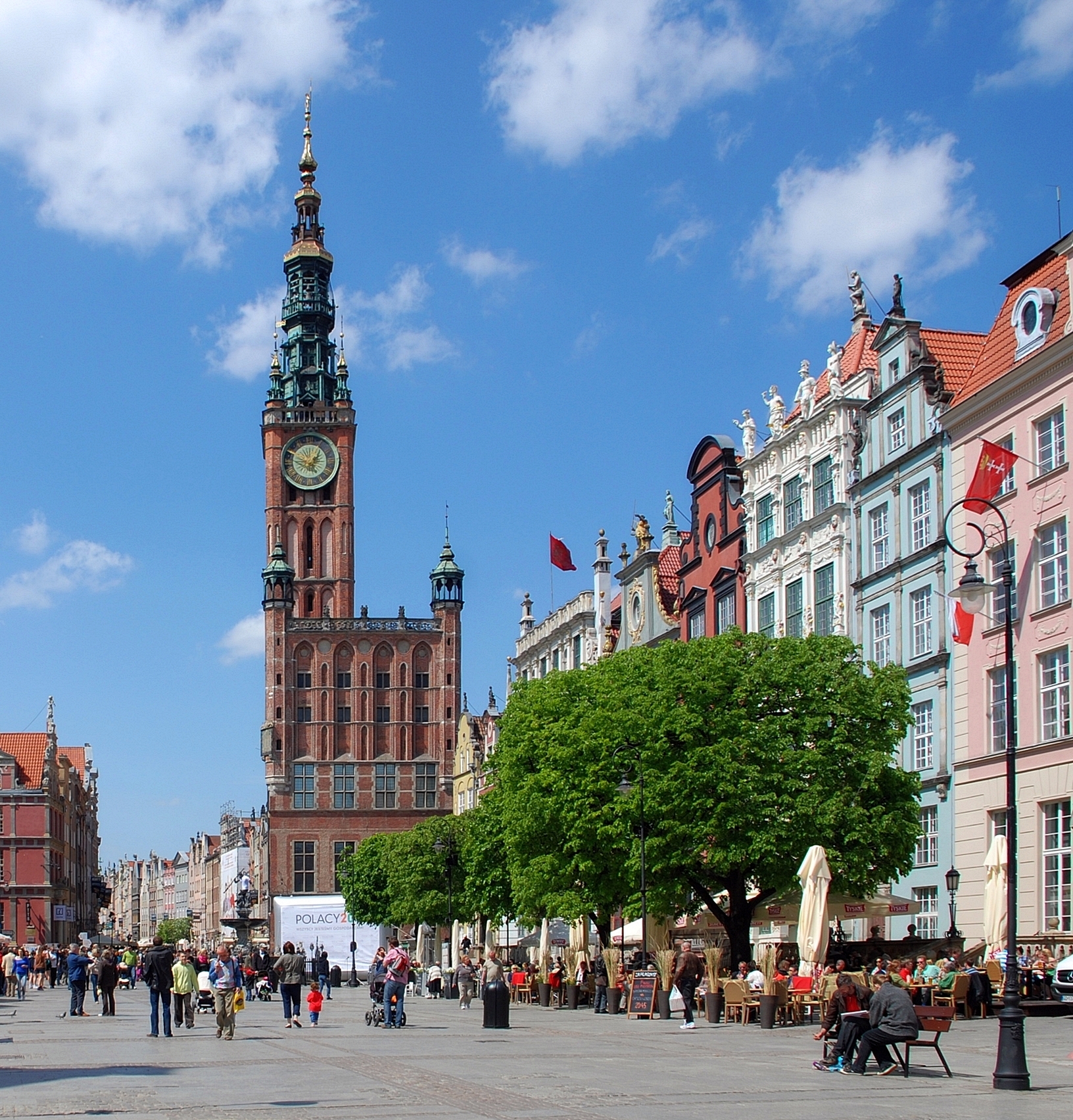
Long Market in Gdańsk isn’t just a street—it’s the city’s living chronicle, where every cobblestone seems to whisper stories from the past. Stretching from the Town Hall to the Green Gate, this thoroughfare cuts through the heart of Gdańsk’s Old Town, linking its most significant landmarks. The layout here hasn’t changed much since medieval times, and walking along it feels like stepping into a different era. The facades of the buildings, some narrow and towering, others broad and ornate, reflect the wealth and ambition of the merchants who once called this place home. It’s a street where history isn’t confined to museums but spills out onto the pavement, blending seamlessly with the rhythm of modern life.
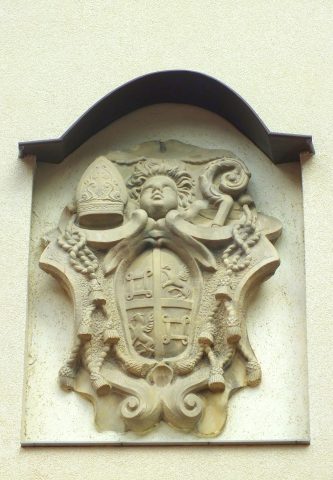
The architecture along Long Market is a testament to Gdańsk’s layered past, with styles ranging from Gothic to Baroque, Renaissance to Art Nouveau. Many of the buildings were reconstructed after World War II, yet they retain the character of their original designs. The most striking features are the tall, slender facades with intricate gables, a hallmark of Hanseatic cities. Some houses are adorned with decorative stucco, coats of arms, or sculptures—symbols of the prosperity and status of their former owners. The Town Hall, standing at the center of the street, is perhaps the most iconic structure. Its tower, crowned with a clock, dominates the skyline, a reminder of Gdańsk’s days as a bustling Baltic trading hub. The building itself is a mix of Gothic foundations and Renaissance flourishes, and while it now houses a museum, its presence alone evokes the city’s golden age of commerce and civic pride.
Long Market has always been more than just a street—it was the city’s economic and social heart. In the Middle Ages, it buzzed with activity as merchants from across Europe traded goods, artisans displayed their wares, and townspeople gathered to exchange news. Today, the street retains that lively spirit, though in a more subdued form. In the warmer months, cafés and restaurants spill onto the sidewalks, offering a chance to linger over coffee or sample local dishes like pierogi or fresh Baltic herring. When winter arrives, the street transforms, hosting Christmas markets and festive lights that turn it into a scene from a postcard. No matter the season, Long Market remains a place where people come together—locals catching up with friends, tourists soaking in the atmosphere, or simply passersby pausing to admire the surroundings.
One of the most intriguing aspects of Long Market is what lies beneath it. A network of cellars and tunnels runs under the street, once used for storing goods and as hiding places during times of conflict. Some of these underground spaces are open to the public, offering a glimpse into the city’s past. Descending into the dimly lit chambers, it’s easy to imagine the bustle of merchants unloading their cargo or the hushed conversations of townspeople seeking refuge. These tunnels are a tangible link to Gdańsk’s role as a key trading post, where goods from across Europe and beyond passed through on their way to Scandinavia and the East.
The details along Long Market make it feel like an open-air museum. Old-fashioned lanterns cast a warm glow in the evenings, wrought-iron signs creak gently in the breeze, and narrow alleyways lead to hidden courtyards. Small sculptures, like the stone lion perched on one corner, hint at the city’s maritime past, while ancient wells tucked away in courtyards serve as quiet reminders of daily life centuries ago. These little touches turn a walk down the street into something more than sightseeing—it’s a slow unraveling of history, where every step reveals another layer of the city’s story.
Beyond its historical significance, Long Market is very much a part of modern Gdańsk. It’s where the city celebrates its festivals, from summer music performances to winter ice-skating rinks. Street musicians often set up near the Town Hall, filling the air with melodies, while artists display their work along the sidewalks. For locals, it’s a place to meet friends, take a leisurely stroll, or simply enjoy the ambiance. For visitors, it’s the perfect starting point for exploring the rest of the city—whether heading toward the Green Gate, the waterfront, or the labyrinth of streets in the Old Town. But even if you never leave Long Market, you’ll still get a sense of what makes Gdańsk special: a city that embraces its past while moving confidently into the future.
At the eastern end of the street, the Green Gate marks the transition from the old city to the waterfront. Built in the 16th century as part of Gdańsk’s fortifications, the gate once served as the main entrance for visitors arriving by sea. Today, it stands as a symbol of the city’s enduring connection to the Baltic. Passing through its arches, you step onto the promenade, where the scent of saltwater mingles with the air. The view of the Motława River and the cranes of the old port in the distance is a reminder of why Gdańsk was once one of Europe’s most important trading cities. It’s a fitting end to a walk along Long Market—a street that has witnessed centuries of change yet remains as vibrant as ever.