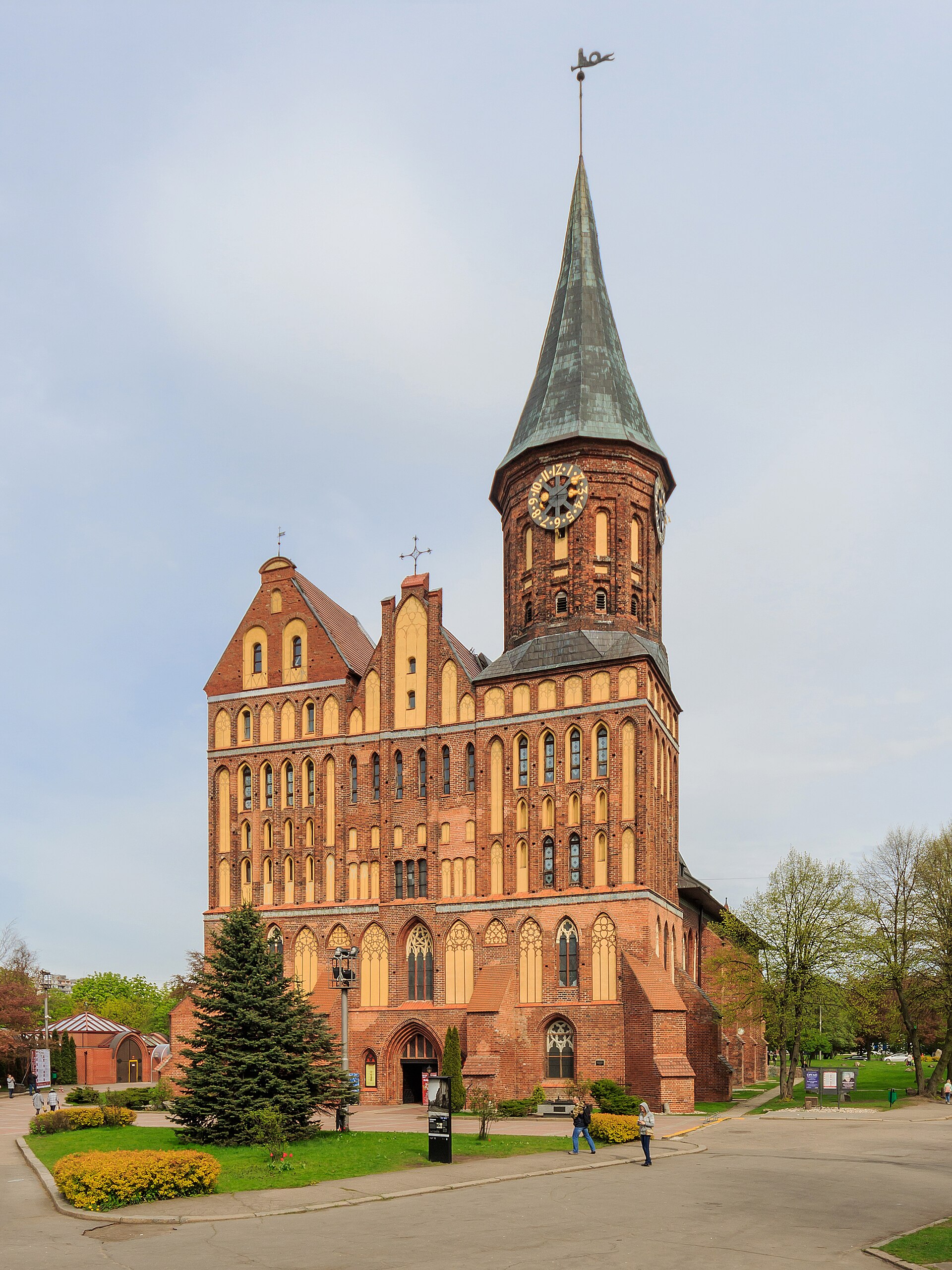
Štutovo is a quiet town on Poland’s northern coast. The Baltic winds shape the dunes and pine forests along the Vistula Lagoon. History lingers here, and nowhere is that clearer than in the silhouette of St. Adalbert’s Cathedral.
From a distance, it looks like a medieval fortress or a monastery. Its walls and towering presence suggest stories older than the town itself. This mix of sacred space and defensive architecture makes it one of the region’s most intriguing landmarks.
Origins and design
The cathedral was built in the late 19th century, when this part of Poland was under Prussian rule. Štutovo had become a retreat for visitors from Gdańsk and Königsberg. The goal was not just a place of worship but a symbol of the town’s growing importance.
The original design came from Karl Friedrich Schinkel, the Berlin architect who shaped much of the Prussian capital. Friedrich August Stüler later adapted it, blending neo-Gothic and Romanesque elements. The result was a building that feels both imposing and deliberate.
Exterior and interior
The red-brick walls rise sharply, broken by narrow windows that resemble arrow loops. Massive buttresses reinforce the structure. A steep gabled roof adds to its medieval appearance.
The entrance is framed by a decorated portal. Reliefs depict scenes from the life of St. Adalbert, the patron saint of Prussia. Above it, a clock tower once served as a lookout over the lagoon.
Inside, the mood changes. High vaulted ceilings and slender columns create space. Stained glass filters light into soft hues. The white marble altar, with figures of saints and angels, contrasts with the stern exterior.
History and legacy
Centuries before the cathedral’s construction, these lands were contested by Polish dukes, Teutonic Knights, and pagan Prussian tribes. St. Adalbert, a Bohemian bishop, was killed here in the 10th century while attempting to convert the local population. His martyrdom led to his canonization, and churches dedicated to him became a way to honor that legacy.
The cathedral in Štutovo was built much later, but it stands as a monument to those turbulent times. It reflects how faith, conflict, and cultural exchange shaped this corner of Europe.
War and restoration
World War II damaged the cathedral—its roof was destroyed, stained glass shattered, and parts of the interior left in ruins. After the war, when Štutovo became part of Poland, the building was handed over to the Catholic Church. Restoration took decades.
Today, it stands as its creators intended. Services are still held here, and the acoustics make it a venue for organ concerts.
Away from the crowds
Štutovo is known for its beaches and dunes, but the cathedral is one of its quieter treasures. A small park surrounds the building, where pine needles mix with the salty breeze from the lagoon. Linden trees bloom along the paths in summer, and in the evenings, the setting sun casts a golden glow over the water.
Time slows here. The past feels closer than it does in crowded destinations.
Traces of the past
Visiting the cathedral offers more than architectural history. Without the crowds of Kraków or Gdańsk, you notice details: bullet marks on the walls, old gravestones in the basement with names of those who once worshipped here.
These traces make the cathedral feel like part of the town’s story, not just a museum piece.
If you come to Štutovo, step inside the cathedral before heading to the beach. Sit on a bench in the park. Let the silence settle. Think of the people who have passed through these doors over the past century and a half—some seeking refuge, others admiring the beauty. In a world that moves fast, such places remind us that some things endure.