Stutthof
Stutthof defies simple explanation. Words often fall short when trying to convey what this place represents. Near the Polish town of Sztutowo, close to the Baltic coast, it was once a Nazi concentration camp. Now, it’s a memorial—a direct confrontation with the crimes of World War II. No one stumbles upon it by chance. Visitors come intentionally: to see, to remember, or to try to grasp something almost impossible to understand.
The camp opened in September 1939, shortly after Germany’s invasion of Poland. It began as a detention center for Polish civilians the Nazis wanted to remove. Over time, it grew into a site of organized cruelty. Prisoners included Poles, Jews, Soviet POWs, and others from across Europe. Life here meant hunger, sickness, forced labor, and the constant fear of execution. Around 110,000 people were held at Stutthof; more than 65,000 died. It wasn’t as vast as Auschwitz or as widely known as Treblinka, but its role in the Nazi system of destruction was just as deliberate.
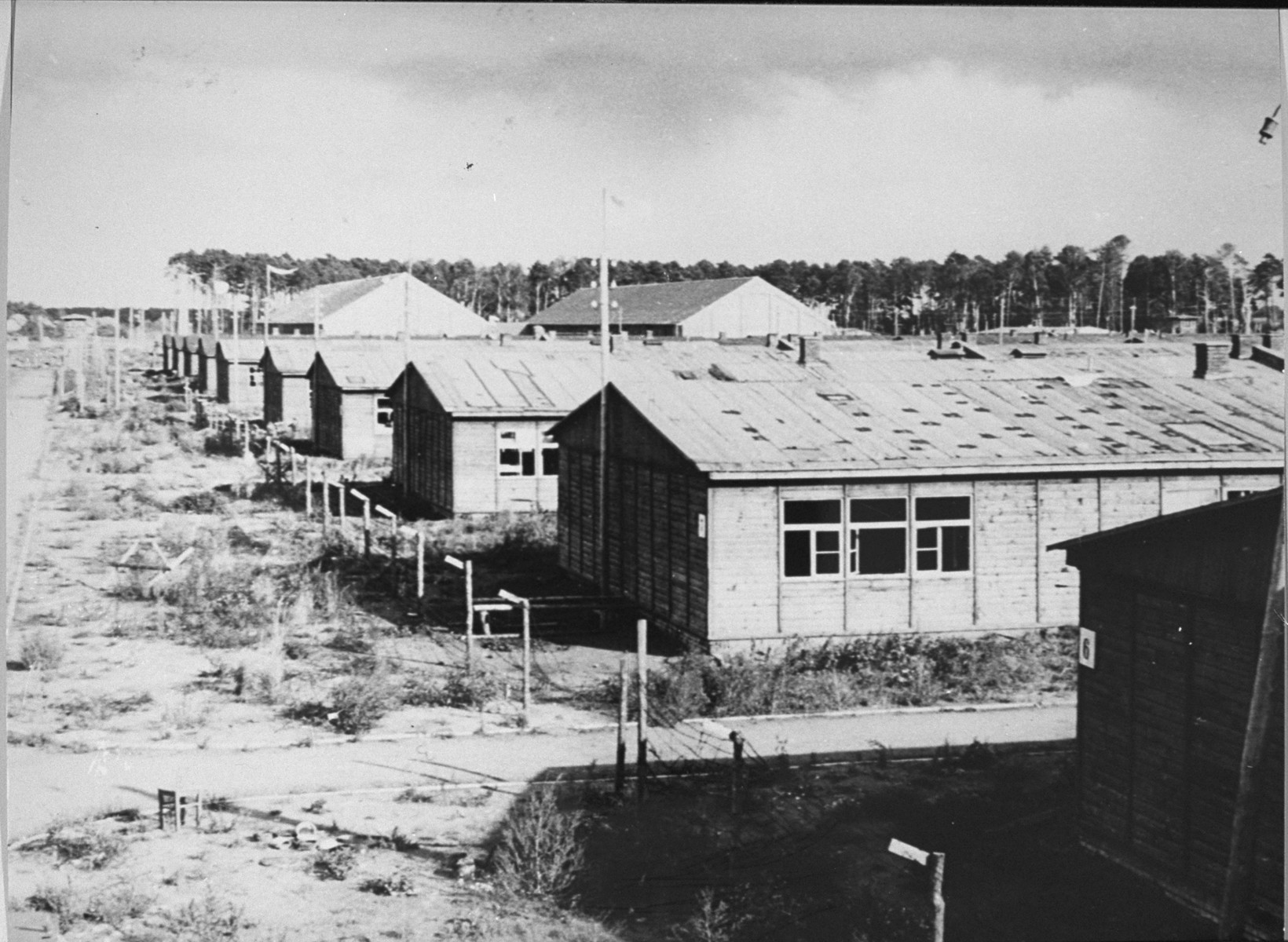
Today, the remains of Stutthof are a landscape of preserved and rebuilt structures. The main gate still stands, its iron sign reading Arbeit macht frei. Beyond it, you see the barracks, watchtowers, crematorium, and gas chambers. Some buildings were destroyed after the war, but those left have been kept to show what happened here. The crematorium, with its industrial ovens, is one of the hardest places to visit. A memorial stone nearby lists some of the victims’ names—small but necessary proof that these were real people.
Stutthof was the first Nazi concentration camp outside Germany and one of the last liberated. In May 1945, Soviet forces arrived to find surviving prisoners. The Nazis had tried to hide their crimes in the final months, but too much evidence remained. After the war, the site briefly held German POWs before becoming a museum in 1962. Since then, it has served as both a historical record and a place to remember.
The memorial is more than exhibits behind glass. It’s a place where the past feels immediate. Displays show who the prisoners were, how they lived, and how they were persecuted. Their belongings—clothes, shoes, letters, photos—are on view, turning numbers into faces. Some barracks have been rebuilt to show the conditions: cramped, filthy, designed to break people. Documents, testimonies, and objects tell the story without softening it.
Walking through Stutthof is difficult. There’s no way to stay detached. Every step is on ground where people suffered. The Avenue of Remembrance is lined with monuments from countries whose citizens died here. Poland, Israel, Russia, Germany—each has contributed a tribute. The only sounds are footsteps and the wind in the trees.
Stutthof isn’t just history. It’s a warning. Educational programs bring students here to show what happens when hatred and indifference take hold. Survivors and their families also visit, sharing their stories. These moments make the past feel present.
The camp sits in a quiet area of forests and wetlands, with the Baltic Sea in the distance. The beauty of the landscape makes the horror harder to reconcile. Nearby Sztutowo offers places to sit and think, but the weight of what happened doesn’t fade.
This isn’t a place for quick visits. It demands your focus, your respect. There are no distractions, no attempts to make the truth easier. The memorial shows what happened, leaving you to process it. For many, the experience stays with them—proof of how fragile peace is and how important it is to pay attention.