The Gdańsk Shipyard isn’t just a place where history is remembered. It’s where you feel it. The Dead Vistula’s still waters mirror the towering cranes and weathered docks. This is where Poland rebuilt itself after the war, where industry met defiance, and where a movement began that shook an empire. The shipyard’s story is woven into the 20th century—resilience, labor, and ordinary people standing together.
The architecture is industrial. The massive slipways, once alive with ships that sailed the world, now stand silent. Their steel frames are rusted but still imposing. Nearby, the administrative buildings—functional, unadorned, built in the utilitarian style of socialist modernism—reflect an era when form followed necessity. There’s no grandeur here, just the raw honesty of a place built for work. That simplicity gives the shipyard its character.
August 1980 changed everything. Workers downed their tools and gathered at the gates. They weren’t just demanding better wages. They were challenging a system. The strike led to Solidarity, the first independent trade union in the Eastern Bloc. It set in motion the events that would bring down the Iron Curtain. The gates where they stood are marked by a plaque. A monument nearby honors those who lost their lives in earlier protests. These aren’t just memorials. They show how change often begins in unexpected places.
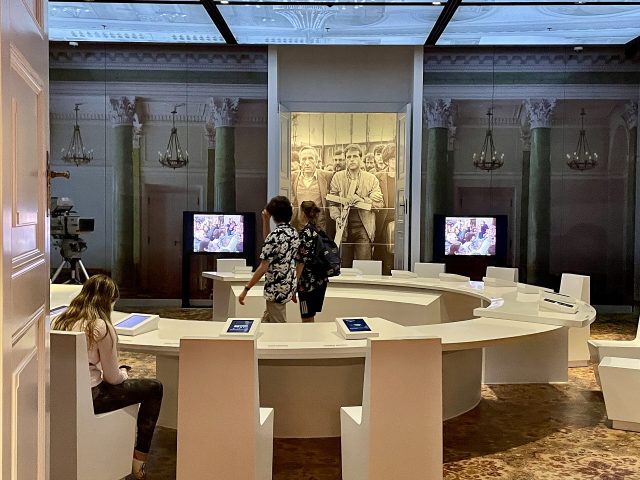
Today, the shipyard is two places at once. Part of it still builds modern ships on the same slipways that launched vessels during the Cold War. Another part is a museum. The old workshops hold tools and machinery that shaped metal and history. Exhibits don’t just focus on technical achievements. They tell the stories of the people who worked here—their struggles, their solidarity. Photographs, documents, and personal accounts bring the past to life. History isn’t made by abstract forces. It’s made by people with names, faces, and dreams.
The shipyard is quiet now.
The air still smells of oil and metal. The cranes loom like sentinels of another era. But it isn’t frozen. It’s evolving into a cultural space where past and present coexist. Exhibitions, concerts, and festivals fill the old halls. Even in these modern gatherings, there’s a sense of continuity. The shipyard refuses to let go of its history.
For Poles, this is a pilgrimage. Older generations come to remember. Younger ones come to understand. The fight for freedom feels tangible here. The ideals of Solidarity linger in the air. But its significance isn’t just national. The shipyard is a symbol of hope for anyone who believes change is possible, even against overwhelming odds. It shows that walls—whether of concrete or ideology—can fall when people stand together.
Some workshops still operate. They build ships and machinery, though on a smaller scale than before. The old and the new exist side by side. Visitors can watch a new vessel take shape on the slipway, then step into the museum to see the tools and photographs of what came before. Industry and history coexist here, neither overshadowing the other.
History here isn’t something you read in a book. You experience it. The rough texture of metal under your fingers. The distant clang of tools. The way light filters through the high windows of the workshops. It pulls you into the past. You don’t just learn about the shipyard’s role in Poland’s history. You feel it.
How many lives were changed here? How many dreams were forged in these workshops?
The shipyard doesn’t offer easy answers. It doesn’t need to. Its power is in its authenticity. It preserves the past without romanticizing it. This was a place of hard work, struggle, and moments that shaped a nation. It was also a place of hope, where people imagined a different future. Walking through its gates, you step into a story that’s still being written.