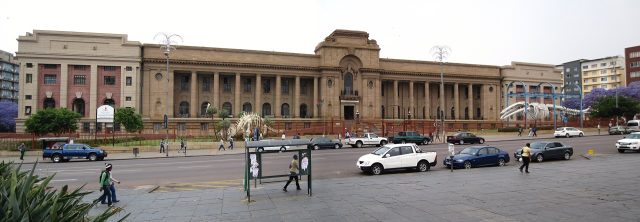
The Ditsong National Museum of Cultural History in Pretoria is one of those rare places where South Africa’s past feels alive rather than preserved. It doesn’t fit the mold of a traditional museum, where artifacts gather dust behind glass and labels offer little more than dates and names. Instead, the objects here—everyday tools, ritual masks, weapons, and adornments—carry the weight of lived experience, each telling a story of the people who once used them. The building itself, constructed in the late 19th century, is steeped in history. Originally the Transvaal Supreme Court and later the seat of the South African Union government, its architecture blends colonial austerity with neoclassical grandeur, lending the space a quiet, enduring presence.
The museum’s collections span centuries, tracing the cultural threads of South Africa from ancient times to the present. A particular focus lies on the Bantu-speaking peoples, the San (often referred to as Bushmen), and the lasting impact of European settlers. Visitors encounter traditional ceramics, textiles, woodwork, and metalwork, each piece a testament to the skill and aesthetic sensibilities of its creators. The carved wooden figures of the Venda people, for instance, or the bold geometric patterns of Ndebele beadwork and murals do more than showcase craftsmanship—they reveal the deeper meanings woven into every line and color. The museum doesn’t present a single narrative but rather invites visitors to listen to many voices, each contributing to the broader story of the region.
One of the most compelling sections is the archaeological collection, where artifacts dating back thousands of years offer a glimpse into the lives of South Africa’s earliest inhabitants. Stone tools, fragments of rock art, and remnants of ancient settlements paint a picture of survival, creativity, and adaptation. The exhibits on the San people are especially striking. Their culture, deeply intertwined with the land, comes to life through expressive rock paintings that still resonate with emotion and symbolism. The museum doesn’t just display these works; it explains their place in San mythology and daily life, helping visitors understand how art, spirituality, and environment were once inseparable.
The colonial era is another key focus, and the museum doesn’t shy away from its complexities. Exhibits include household items from European settlers, documents, photographs, and maps that illustrate the fraught interactions between indigenous communities and newcomers. There are artifacts tied to the transatlantic slave trade, the conflicts of the colonial wars, and the resistance movements that arose in response. The approach is measured, presenting facts without imposing a single interpretation, allowing visitors to grapple with the nuances of this turbulent period.
Yet the museum isn’t just about the past. Many exhibits explore how traditions persist or evolve in modern South Africa. Contemporary art by indigenous artists, for example, shows how ancient motifs find new expression in today’s world. Ndebele patterns appear in fashion design, while San-inspired themes influence modern painters and sculptors. These displays bridge the gap between history and the present, reminding visitors that culture is never static—it adapts, transforms, and endures.
The building itself is part of the experience. Its high ceilings, large windows, and spacious halls create an atmosphere of openness, with natural light softly illuminating the exhibits. The architecture balances classical museum design with modern functionality, making the space accessible and engaging. Some rooms retain their original interiors, a subtle nod to the building’s past as a place of justice and governance. Walking through these halls, it’s easy to imagine the weight of the decisions once made within these walls.
For those who prefer to explore at their own pace, the museum offers well-curated exhibits with informative labels in multiple languages, including English and Afrikaans. Some displays include audio guides, providing deeper context for key artifacts. Temporary exhibitions, which rotate regularly, ensure that even repeat visitors will find something new. These additions keep the museum dynamic, reflecting the ongoing dialogue between South Africa’s past and its present.
A visit to the Ditsong National Museum of Cultural History is more than a walk through a collection of objects—it’s an encounter with the many layers of South African identity. There is no single story here, only a tapestry of experiences, conflicts, and connections. The museum doesn’t dictate how to interpret these histories; instead, it invites visitors to engage with them, to ask questions, and to draw their own conclusions. For anyone seeking to understand what makes South Africa the country it is today, this museum offers a thoughtful, nuanced starting point. It’s a place where history isn’t just observed—it’s felt.