Pretoria is a city where history isn’t confined to textbooks or distant memories—it lingers in the quiet corners of museums, behind glass displays, and within the weathered walls of old forts. The Ditsong Museums of South Africa bring together a collection of institutions, each offering a distinct chapter in the country’s story. The name *Ditsong*, derived from Sesotho, translates to "stories," and that’s precisely what these museums preserve, interpret, and share.
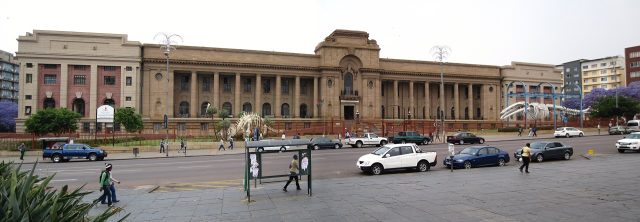
One of the most striking is the National Museum of Natural History, where the past stretches back millions of years. Here, the skeleton of a whale, once stranded on the shores of the Indian Ocean, dominates the space, while fossils of long-extinct dinosaurs hint at a time when these lands were wild and untamed. The mineral collection, sourced from the mines of the Witwatersrand, glitters under the lights, and taxidermied animals—some now vanished from the savannah—stand as silent reminders of the region’s ecological history. The museum doesn’t just display artifacts; it reconstructs the natural world as it once was, long before human hands shaped it.
For those curious about the people who first called this land home, the Museum of Anthropology and Archaeology offers a glimpse into lives far removed from modern existence. Stone tools, intricately painted rock art by the San people, and clay pots used by early communities tell stories of survival, creativity, and connection to the land. These objects aren’t just relics; they’re evidence of cultures that thrived here for millennia, long before colonial borders were drawn. The museum weaves together fragments of the past to show how hunter-gatherers, farmers, and pastoralists adapted to a landscape that was both generous and harsh.
War has left deep scars on South Africa, and the Museum of Military History, housed in Fort Klondike, confronts that legacy head-on. Built in 1897, the fort itself is a relic of conflict, its walls still pockmarked by bullets from battles fought over a century ago. Inside, rifles carried by Boer commandos sit beside British military uniforms, while photographs capture the faces of those who fought in the Anglo-Boer Wars. The exhibits don’t glorify war but instead present it as a turning point in the nation’s history, one that reshaped borders, identities, and power structures. Walking through the fort, it’s impossible not to feel the weight of the past pressing in from all sides.
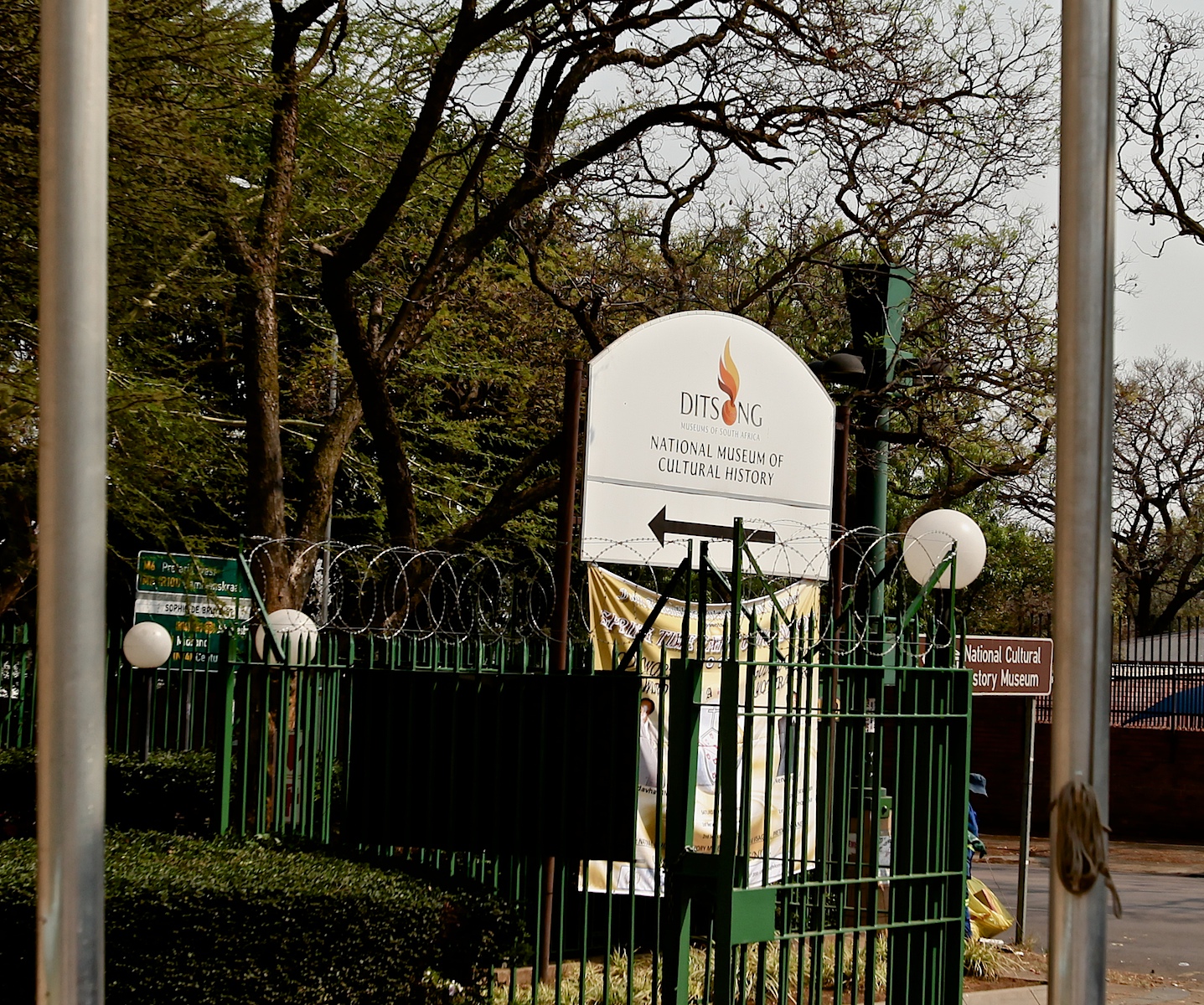
The Museum of Cultural History takes a broader view, exploring how different communities—indigenous and settler alike—have shaped South Africa’s identity. Traditional Zulu shields, Xhosa musical instruments, and Basotho blankets share space with Dutch colonial furniture and Victorian-era dresses. The museum doesn’t just display these items; it explains their significance, showing how trade, migration, and conflict blended traditions into something new. A Zulu shield, for instance, wasn’t just a tool of war but a symbol of status and craftsmanship, while the arrival of European settlers introduced new materials and techniques that altered local crafts forever.
For those fascinated by how people and goods once moved across the country, the Transport Museum offers a journey through time. The collection includes the first car to arrive in Pretoria, a steam locomotive that once hauled freight across the Transvaal, and early aircraft that connected distant corners of the region. These machines weren’t just modes of transport; they were symbols of progress, ambition, and the relentless push toward modernity. The museum captures a moment when railways and roads were transforming South Africa from a patchwork of isolated communities into a connected nation.
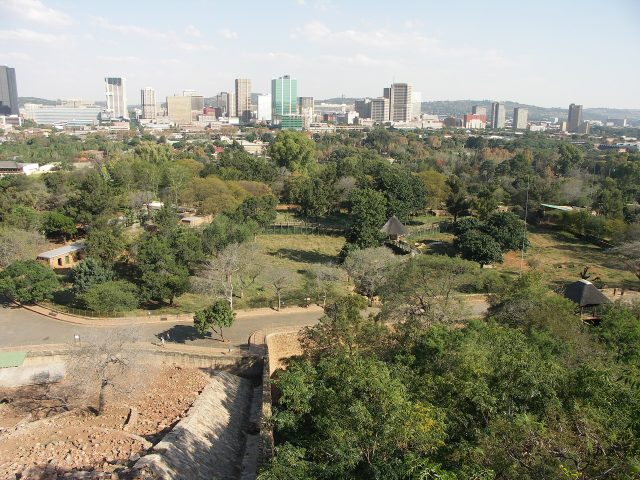
The museums are scattered across Pretoria, each with its own character. The Natural History Museum occupies a stately building constructed in 1912, while Fort Klondike stands on a hillside, its cannons still pointing toward the horizon as if guarding against long-forgotten threats. Visitors can explore them all in a single day or focus on one, letting the stories unfold at their own pace. The military history exhibits, in particular, carry a visceral weight, as if the echoes of the past are still audible in the quiet of the fort.
Beyond the permanent collections, the museums host temporary exhibitions that reflect contemporary concerns—conservation efforts to protect endangered species, new archaeological discoveries, or the evolving traditions of indigenous communities. For younger visitors, workshops offer hands-on experiences, like recreating San rock art or assembling model trains. These programs make history tangible, turning abstract lessons into something children can touch, see, and understand.
What makes the Ditsong Museums worth visiting isn’t just the breadth of their collections but the way they bring the past to life. The artifacts aren’t static; they’re part of a living narrative, one that continues to shape South Africa today. Whether you’re drawn to the natural world, the complexities of human culture, or the tumult of history, these museums offer a chance to step into the stories that have defined this country—and to see how they still resonate in the present.