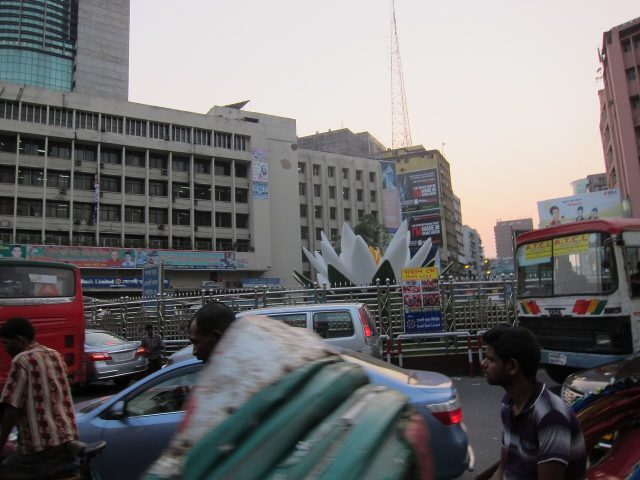
The Dhaka Stock Exchange isn’t just a place where shares change hands—it’s the pulse of Bangladesh’s economic life. Nestled in the heart of Motijheel, the country’s busiest commercial district, the exchange is where fortunes are made and lost, where companies raise capital and investors weigh risk against reward. The building hums with energy on weekdays, a symphony of ringing phones, rapid-fire typing, and the collective breath-holding of traders watching numbers flicker across screens. These aren’t just digits; they represent livelihoods, ambitions, and the fragile balance of an entire economy.
The exchange’s story began in 1954, when Bangladesh was still East Pakistan. Back then, it was a modest operation called the East Pakistan Stock Exchange, housed in a small office in Old Dhaka. Independence in 1971 brought turmoil—nationalization, economic crises, and years of recovery. The exchange weathered it all, evolving into the institution it is today: a symbol of Bangladesh’s growth, its struggles, and its aspirations. It’s a place where the past and present collide, where decisions made in seconds can ripple across generations.
The current building in Motijheel went up in the late 1990s, a practical response to the exchange’s expanding role. There’s no grand architecture here—just steel, glass, and concrete, a no-nonsense design built for efficiency. Inside, the trading floors are a maze of screens, electronic boards, and workstations, all wired for speed. Every detail serves a purpose: to keep the market moving, to ensure transparency, to handle the sheer volume of transactions that shape the country’s financial future. It’s a space where precision matters more than aesthetics.
For Bangladesh, the stock exchange is more than a marketplace. It’s a barometer of the nation’s economic health, a topic of conversation in newsrooms, tea stalls, and corporate boardrooms. When the DSE index climbs, it’s a sign of confidence; when it plummets, it’s a cause for alarm. The 2010 crash remains a stark reminder of how quickly things can unravel—panic selling sent the market into freefall, wiping out fortunes overnight. Regulators tightened rules in the aftermath, but the memory lingers, a cautionary tale of how fragile stability can be.
Visitors are welcome, though few tourists make the trip. Most who come have a professional stake in the market: brokers, analysts, economics students. Guided tours offer a glimpse behind the scenes—how trades are executed, which companies are listed, and what drives market movements. From the observation gallery, the trading floor looks like a performance, a dance of numbers and graphs where the stakes are very real. It’s not a spectacle for the casual observer, but for those who understand the language of finance, it’s mesmerizing.
The atmosphere inside is a mix of focus and adrenaline. Brokers, many of whom have worked here for decades, move with purpose, their conversations peppered with jargon and shorthand. This isn’t a place for idle chatter; everyone has a role to play, whether it’s executing a trade, analyzing trends, or closing a deal. Between sessions, the tension eases slightly—some sip tea and swap stories, while others keep a nervous eye on their screens, waiting for the next big move.
Beyond the exchange, Motijheel thrums with its own rhythm. As Dhaka’s financial hub, the district is a maze of banks, corporate offices, and government buildings. Mornings bring a tide of professionals in suits, rushing to meetings or poring over reports. By evening, the streets quiet down, though the cafes and restaurants stay busy, serving the after-work crowd. The stock exchange is just one piece of this ecosystem, but its influence is everywhere—from the price of office space to the traffic snarls that clog the roads.
For Bangladesh, the Dhaka Stock Exchange is more than a financial institution; it’s a reflection of the country’s journey. Here, tradition meets modernity, where decisions are data-driven but not without instinct. Automation has streamlined many processes, yet the human element remains central—every trade is a gamble, every investment a leap of faith. It’s a place where the future is being written, one transaction at a time.
A visit to the exchange isn’t about sightseeing; it’s about understanding how an economy works from the inside. This isn’t a museum or a monument, but a living, breathing space where history unfolds daily. Maybe one day, a decision made here will reshape the lives of millions. For now, the Dhaka Stock Exchange remains a place where numbers tell stories louder than words ever could.