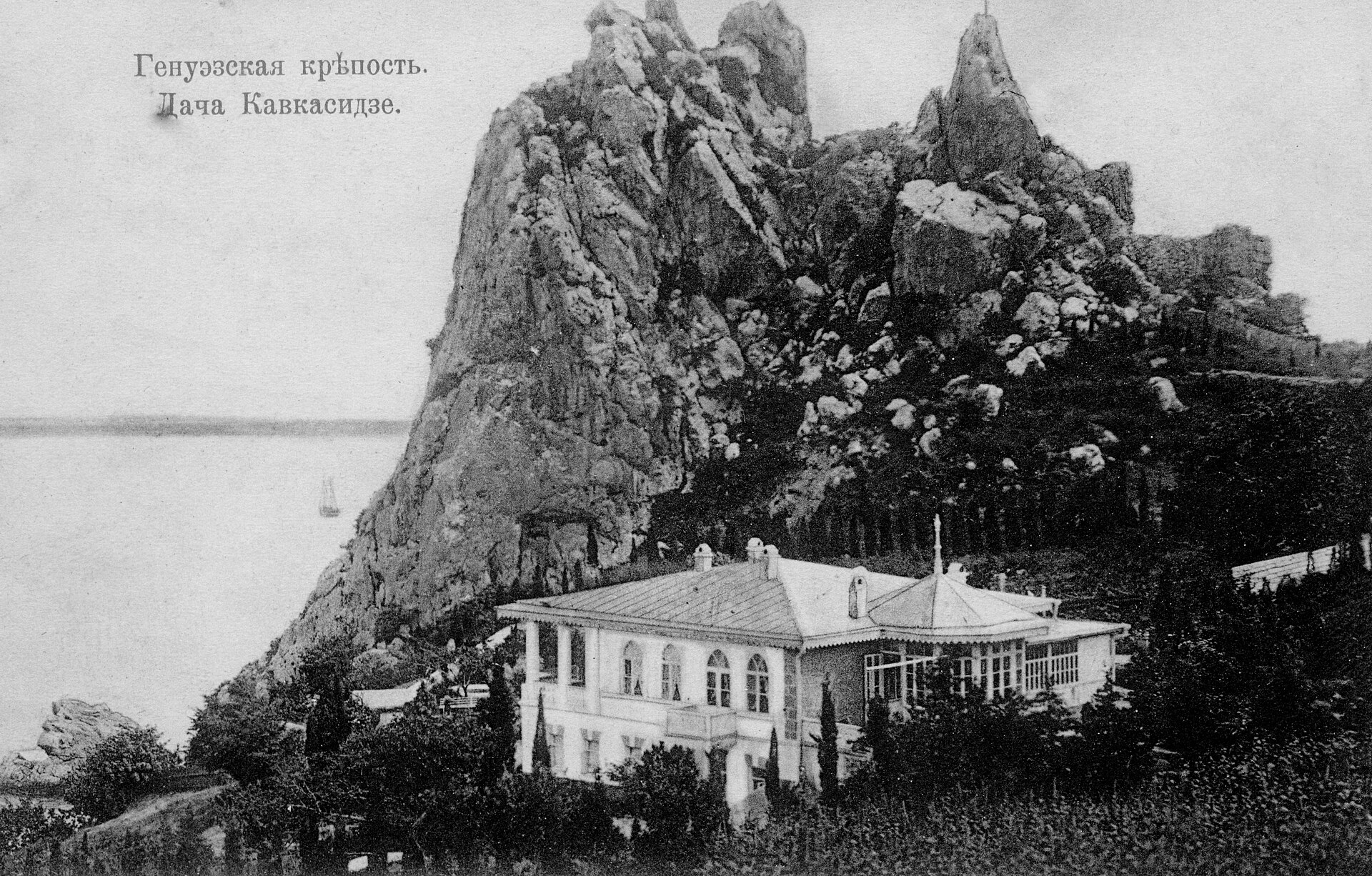
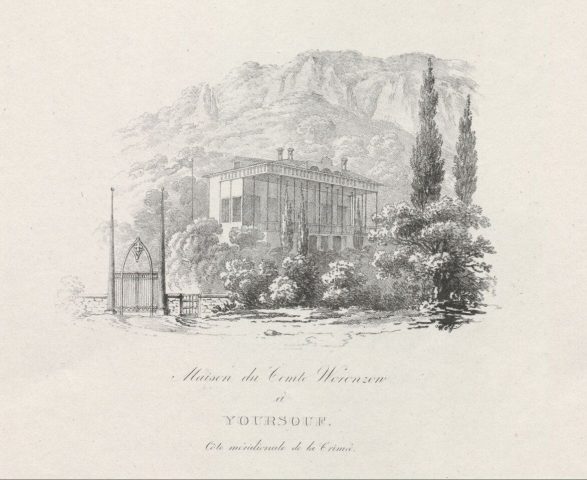
Perched on a quiet street in Gurzuf, the Kavkasidze Dacha feels like a place where time has paused, leaving behind the quiet charm of a bygone era. Built in the early 20th century, this unassuming house once belonged to a family of Georgian descent, and though its name may not be as widely recognized as some of its neighbors, it carries the same understated elegance that defined the coastal architecture of its time. Light wooden verandas, delicate latticework balconies, and tall windows designed to catch the sea breeze give the house a sense of airy grace. It was never meant to impress with grandeur, but rather to offer a retreat where the rhythms of nature and creativity could intertwine.
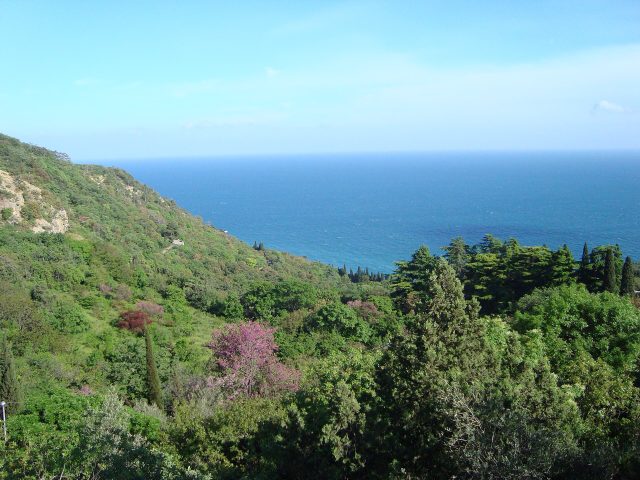
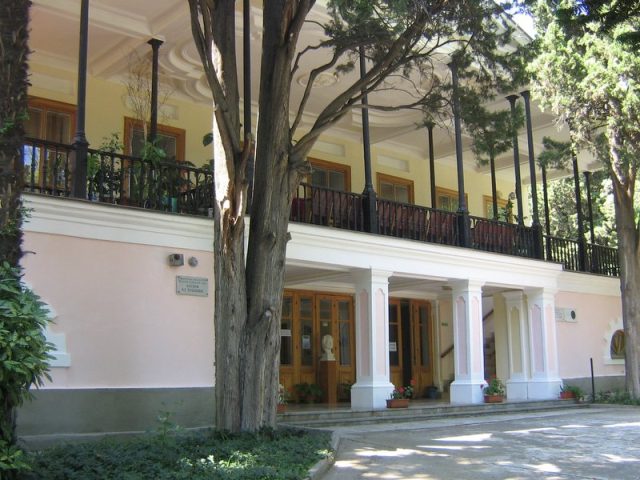
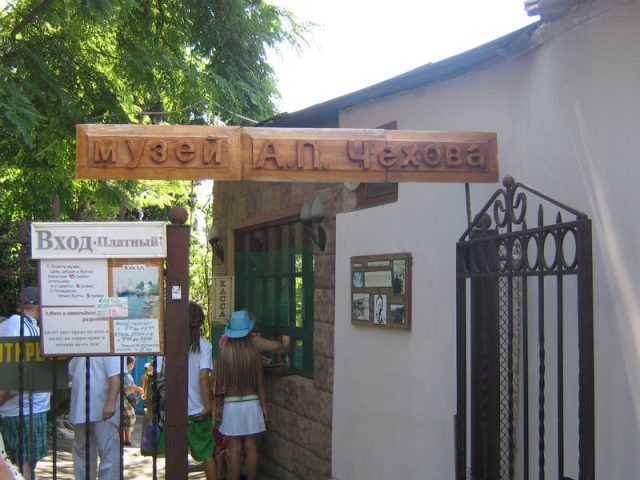
Gurzuf has long been a place where cultures and stories intersect, and in the late 19th and early 20th centuries, it became a haven for artists, writers, and musicians drawn to the Crimean coast. While the Kavkasidze Dacha may not have hosted the same famous names as the nearby Chekhov House or other grand villas, it was undoubtedly part of that world. Conversations about literature and art likely unfolded on its terraces, where the view of the sea and mountains would have been impossible to ignore. Today, the specifics of who passed through its doors are lost to time, but the house itself retains the quiet resonance of an era when Crimea was more than just a resort—it was a place where ideas took shape.
The architecture of the dacha reflects the eclectic tastes of the early 1900s, blending wooden elements with stone foundations and decorative ironwork that hints at Eastern influences. The design is practical yet thoughtful, with wide verandas providing shade from the sun and high ceilings creating a sense of openness. Once, the house was surrounded by a garden filled with cypresses, magnolias, and grapevines, though little of that remains today. Still, even the fragments that survive offer a glimpse of how the place must have looked in its prime—a private sanctuary where the boundaries between indoors and out blurred seamlessly.
Like many historic buildings in Crimea, the Kavkasidze Dacha has had a complicated history. After the revolution, it became state property, serving various purposes over the decades—from a sanatorium to a residential space for vacationers or resort staff. By the Soviet era, its original splendor had faded, though traces of its past lingered in the details. In recent years, the house has fallen into disrepair, its future uncertain. Now privately owned, its fate depends on whether someone will take on the task of restoring it to its former beauty.
For those who seek out the quieter layers of Crimean history, the Kavkasidze Dacha is more than just an old building. It’s a silent witness to a time when Gurzuf was a hub of cultural exchange, where the sea and mountains framed the lives of people whose names are now part of history. There are no plaques or exhibits here, no curated displays of famous guests—just the house itself, standing as a reminder of how history is often made in unassuming places. Walking through the neighborhood, it’s easy to imagine the streets as they were a century ago, when the same views inspired artists and thinkers who shaped the region’s legacy.
Unlike the well-trodden tourist spots, the Kavkasidze Dacha remains off the beaten path. It doesn’t appear in guidebooks, and most passersby would hardly give it a second glance. Yet that’s precisely what makes it special. It doesn’t demand attention or cater to crowds; it simply exists, woven into the fabric of the town. Those who stumble upon it might feel like they’ve discovered something rare—a place untouched by mass tourism, where the only sounds are the rustle of leaves and the distant murmur of the sea.
Gurzuf itself is a town where history and nature feel inseparable, and the Kavkasidze Dacha fits into that story effortlessly. It’s not the kind of place that claims to be the heart of the town, but without such quiet corners, Gurzuf would lose some of its soul. Perhaps one day, the house will find a new purpose—a museum, a boutique hotel, or an artist’s studio. For now, it lingers as a gentle reminder that even in a world that moves quickly, there are still places where time seems to slow down, if only for a moment.