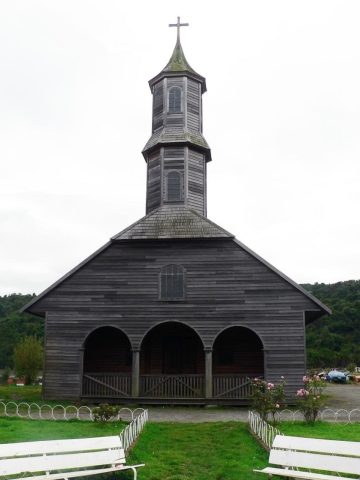
Chiloé isn’t just an island—it’s a world apart, drifting at its own pace off the southern coast of Chile. Separated from the mainland by the narrow Chacao Channel, it feels suspended in time, where the hours stretch longer and the rhythms of life bend to the wind and the tide. The archipelago is made up of the main island and dozens of smaller ones, but it’s the big island that holds the essence of this place. Here, rolling green hills dissolve into misty mornings, and wooden churches rise from the landscape like something out of a folktale, their weathered spires blending into the forests around them.
The island’s history is written in the sea. Long before the Spanish arrived in the 16th century, the indigenous Huilliche people lived here, fishing the cold waters and working the land. When the colonizers came, Chiloé became a stronghold for those pushing south, a place where old ways refused to fade. Later, in the 19th century, German settlers added their own thread to the island’s cultural tapestry. The result is a place where traditions intertwine—where the local Spanish dialect carries traces of indigenous words, and where legends still breathe. Stories of the Trauco, a mischievous forest spirit who lures women into the woods, or the Invunche, a monstrous guardian of hidden treasures, aren’t just tales; they’re part of the island’s living memory.
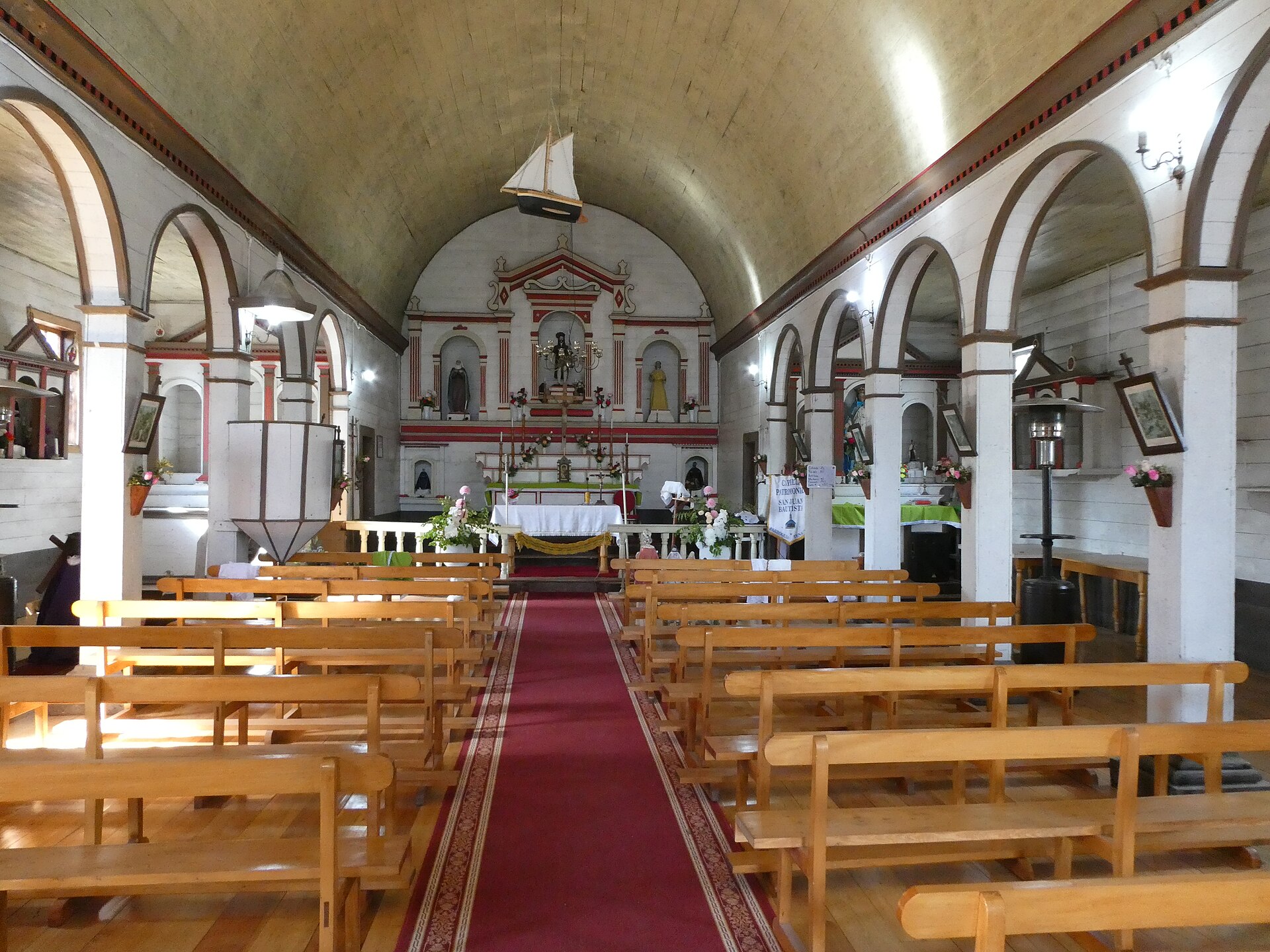
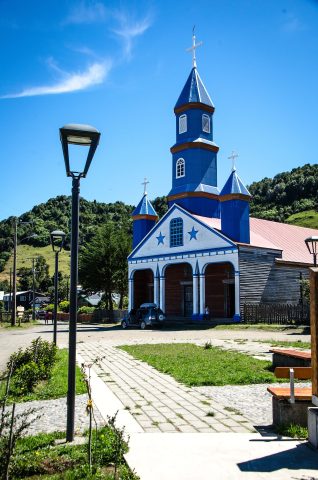
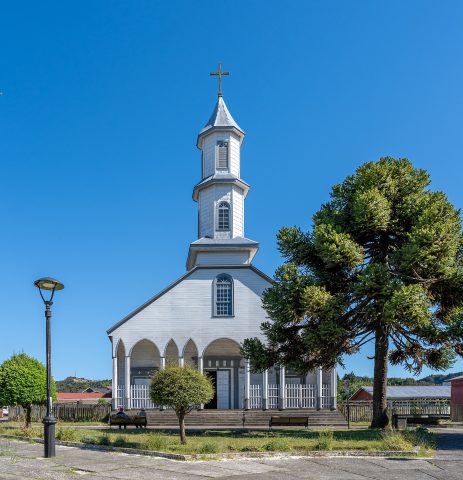
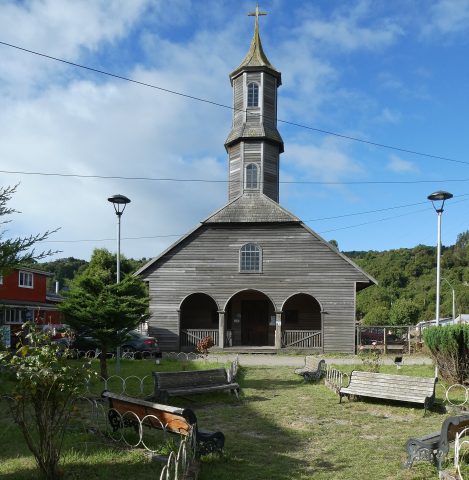
The architecture of Chiloé is unlike anywhere else. The wooden churches, built without a single nail, are the island’s most striking feature. Constructed in the 18th and 19th centuries by Jesuit missionaries traveling the archipelago, these churches were designed to endure the harsh climate while blending into the landscape. Sixteen of them are now UNESCO World Heritage sites, their steep roofs and intricate facades echoing the shapes of the forests around them. The church in Castro, the island’s capital, stands out with its bright colors and ship-like structure, as if it were built to sail away at any moment.
Life here moves slowly, shaped by the sea and the seasons. Fishing, gathering shellfish and seaweed, and tending small farms are the mainstays of daily life. The island is famous for its potatoes—dozens of varieties grow here, some with deep purple flesh, others with skins so thin they seem to dissolve in your hands. Sheep graze on the hillsides, and in the villages, you’ll still find *palafitos*, traditional stilt houses made of wood and reeds, their foundations lapped by the tide. Locals will tell you with pride that Chiloé is the birthplace of the potato that eventually spread across the globe.
The island’s nature is wild and varied. Dense Valdivian rainforests, where ancient trees twist into the sky, give way to windswept beaches and rocky cliffs. In Chiloé National Park, you might spot a pudú, the world’s smallest deer, or a rare marine otter slipping through the kelp. Offshore, whales and dolphins surface in the cold waters, and in spring, the island bursts into color as fuchsias and magnolias bloom, their scent mixing with the salt air.
Food here is a reflection of the island’s isolation and ingenuity. Dishes like *curanto*—a feast of meat, fish, and shellfish slow-cooked in an earthen pit with hot stones and covered in leaves—are unique to Chiloé. Then there’s *milcao*, grated potato pancakes served with cheese or meat, and *merquén*, a smoky chili seasoning that finds its way into nearly every meal. The flavors are bold, earthy, and deeply tied to the land and sea. In Castro or Ancud, small cafés serve these dishes with little fanfare, as if they’ve been cooking them the same way for centuries.
There’s a quiet magic to Chiloé, a sense that the island holds secrets just beneath the surface. Old sailors’ tales of ghost ships emerging from the fog or witches hiding in the woods still linger in the air. Locals speak of spirits in the forests and the sea, and many traditions are rooted in these beliefs. In January, the *Fiesta Tipica Chilota* brings the island to life with music, dance, and food, while in February, the craft fair in Castro showcases the work of local artisans—wool weavers, woodcarvers, and potters keeping old skills alive.
Visiting Chiloé isn’t about ticking off sights; it’s about stepping into a different way of living. There are no crowds, no rush. You might spend a day wandering the colorful *palafitos* of Castro, their reflections shimmering in the water below, or take a boat to one of the smaller islands to see penguin colonies or sea lions basking on the rocks. Or you might just sit on the shore, listening to the waves crash against the cliffs, and realize why this place feels like it exists outside of time. The island doesn’t demand your attention—it simply offers itself, and those who slow down enough to notice will find something unforgettable.